

DeepMind and Anthropic CEOs warn AI is already impacting junior roles
 Follow Us
Google DeepMind CEO Demis Hassabis and Anthropic CEO Dario Amodei said they are already seeing early signs that AI is reducing the need for junior workers inside their own organisations
Entry-level jobs and internships appear to be the most affected.
“I think we're going to see this year the beginnings of maybe it impacting the junior level,” Hassabis said.
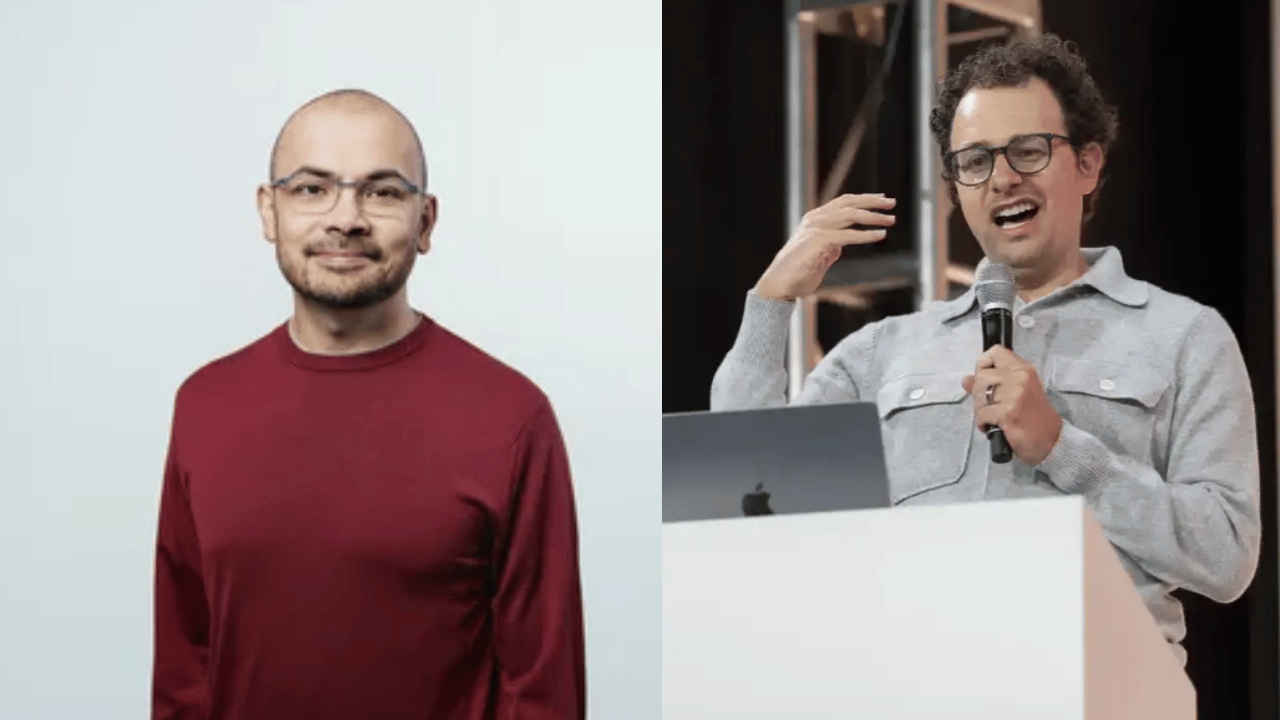

Leaders at two of the top AI companies say artificial intelligence is beginning to change hiring, especially for people at the start of their careers. Speaking together at Davos, Google DeepMind CEO Demis Hassabis and Anthropic CEO Dario Amodei said they are already seeing early signs that AI tools are reducing the need for junior workers inside their own organisations, reports Business Insider.
 Survey
“I think we’re going to see this year the beginnings of maybe it impacting the junior level,” Hassabis said. He explained that entry-level jobs and internships appear to be the most affected. “I think there is some evidence, I can feel that ourselves, maybe like a slowdown in hiring in that,” he added.
Amodei agreed with this view and said it stands with what he has been warning about for some time. Last year, he predicted that AI could eliminate half of all entry-level white-collar jobs and push unemployment up to 20 percent. He said that opinion has not changed.
Also read: OpenAI to prioritise practical adoption of AI in 2026, CFO says
According to Amodei, the effects are already visible in technical fields. “Now I think maybe we’re starting to see just the little beginnings of it, in software and coding,” he said. He pointed to Anthropic’s own workforce as an example of what may come next. “I can see it within Anthropic, where I can look forward to a time where on the more junior end and then on the more intermediate end we actually need less and not more people.”
Amodei said his company is actively thinking about how to respond. “And we’re thinking about how to deal with that within Anthropic in a sensible way.”
Also read: JioHotstar Super and Premium plans to get costlier from January 28: Check new prices
Both leaders stressed that the issue goes beyond individual companies. They warned that rapid advances in AI could move faster than the companies’ ability to adjust. Amodei expressed concern about the pace of change. “My worry is as this exponential keeps compounding, and I don’t think it’s going to take that long- again, somewhere between a year and five years- it will overwhelm our ability to adapt.”
Also read: OpenAI on track to unveil its first device in 2026: What to expect


