
US House reportedly bans WhatsApp on govt devices over security concerns
 Follow Us
The US House has reportedly banned its staffers from using WhatsApp on government devices.
The ban is said to apply to all versions of WhatsApp, including mobile, desktop and web.
The CAO also advised employees to stay alert for potential phishing scams.
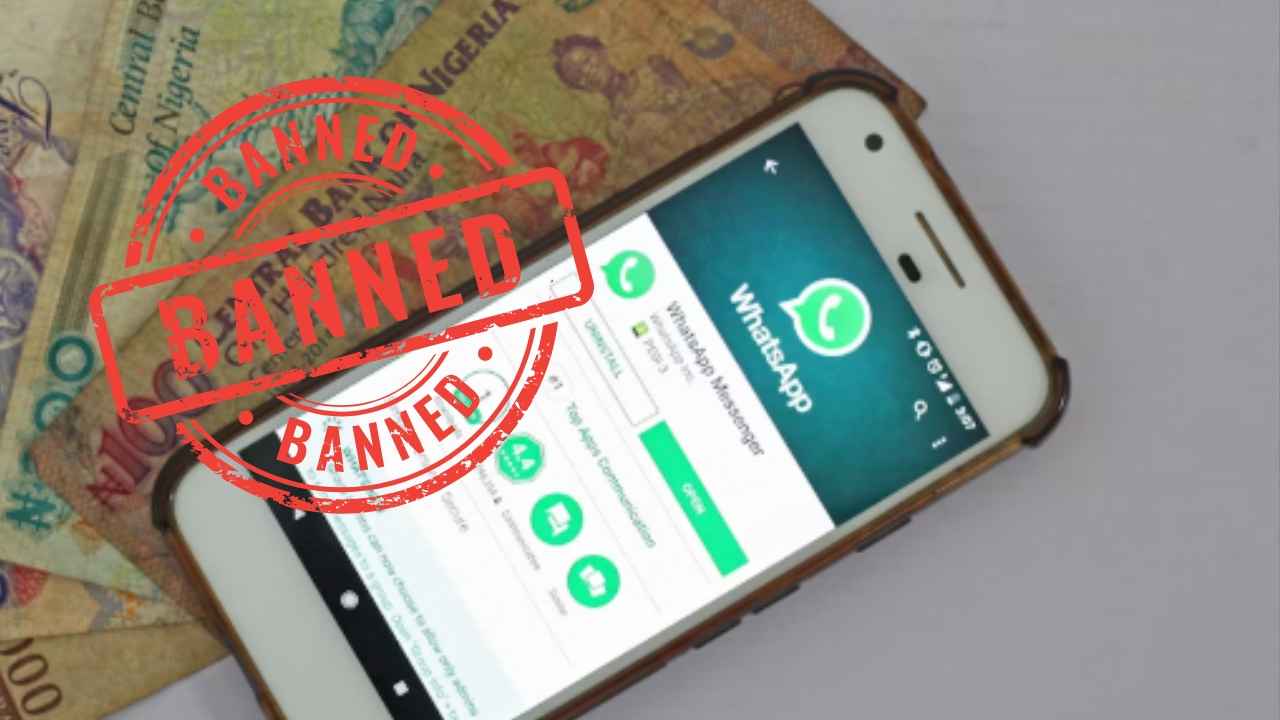

The US House of Representatives has reportedly banned its staffers from using WhatsApp on government devices. The ban is said to apply to all versions of WhatsApp, including mobile, desktop and web. This decision was shared in an email by the House’s chief administrative officer (CAO).
 Survey
In the email, the CAO said that the Office of Cybersecurity considers WhatsApp to be a “high risk” app, reports Axios. The concerns raised include a lack of transparency in how the app handles user data, no encryption for stored data and other possible security risks.
Instead of WhatsApp, House staffers have been asked to use alternative apps that are considered safer. These include Microsoft Teams, Wickr, Signal, iMessage, and FaceTime. The CAO also advised employees to stay alert for potential phishing scams.
Also read: OpenAI and Jony Ive’s first AI device might not be wearable, court documents reveal
Meta’s response to the ban
In response to the ban, Meta spokesperson Andy Stone posted on X (formerly Twitter), “We disagree with the House Chief Administrative Officer’s characterization in the strongest possible terms. We know members and their staffs regularly use WhatsApp and we look forward to ensuring members of the House can join their Senate counterparts in doing so officially.”
He added that all WhatsApp messages are end-to-end encrypted by default, which means even WhatsApp cannot read them. Stone also pointed out that “most of the apps on the CAO’s approved list that do not offer that protection.”
Also read: Meta wanted to buy OpenAI co-founder’s startup but settled for hiring its CEO: Report
This move by the House is not the first of its kind. The CAO has previously restricted the use of other apps that it believes could pose security risks. These include popular platforms like TikTok, ChatGPT, Microsoft Copilot and DeepSeek.
The latest decision highlights growing concerns within the US government about the privacy and security of digital communication tools.
Also read: Microsoft eyes more job cuts as it shifts focus to AI and data centers


