
Xiaomi 17T vs Motorola Signature: The best smartphone under Rs 60000?
 Follow Us

If you’re shopping in the Rs 50,000 to Rs 60,000 segment, you’ll quickly realise that your options are surprisingly limited. And the moment you start looking for a phone that delivers both flagship-grade performance and serious camera capabilities, the list becomes even shorter. That’s what makes the Xiaomi 17T and Motorola Signature such an interesting comparison. On one side, you have the Xiaomi 17T, which leans heavily into photography with Leica branding, tuning and a camera-first approach. On the other hand, the Motorola Signature skips the camera partnership but counters with flagship hardware and a larger primary camera sensor. Both phones promise a flagship-like experience without crossing into the Rs 80,000-90,000 territory. Both feature premium designs, powerful chipsets and capable camera systems. And both sit in roughly the same price bracket.
 Survey
So, between the Xiaomi 17T and the Motorola Signature, which one actually gives you better value? And, which one should you spend your money on? Let’s take a closer look.
Why does this category matter?
Before getting into the comparison, it’s worth talking about why this segment is so important. Because at Rs 20,000-30,000, buyers usually accept compromises. But once you approach Rs 60,000, expectations change completely.
At this price, users expect premium build quality, flagship performance, excellent cameras, reliable battery life and long-term software support. There is very little room for compromise. That’s exactly why comparisons like this matter. The Xiaomi 17T and Motorola Signature aren’t ultra-premium flagships, but they are trying to deliver as much of that flagship experience as possible while staying below the prices of devices like the Galaxy S Ultra or iPhone Pro models.
Xiaomi 17T vs Motorola Signature: Design and build
The Xiaomi 17T immediately stands out for how comfortable it feels in the hand. It’s relatively compact, easy to grip and surprisingly manageable. The flat frame, slim bezels and Leica-branded camera module give it a clean and modern appearance.
The Motorola Signature takes a different approach. The moment you pick it up, it feels like a more expensive device. The aluminium frame, linen-inspired finish and incredibly slim 6.99mm design make it stand out, which is difficult to ignore.
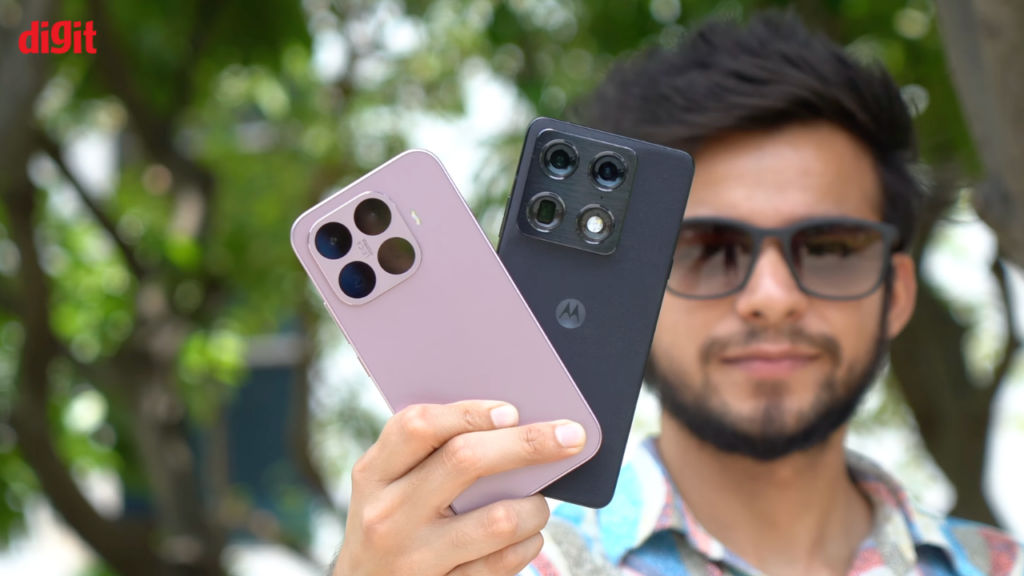
In terms of durability, the Xiaomi 17T comes with Gorilla Glass 7i protection and an IP68 rating. The Motorola Signature goes further with Gorilla Glass Victus 2, IP68, IP69 and MIL-STD-810H certification.
So, if premium materials and durability matter to you, the Motorola Signature feels more like a true flagship.
Xiaomi 17T vs Motorola Signature: Display
Both phones feature excellent displays, but they again take slightly different approaches. The Xiaomi 17T features a 6.59-inch 1.5K AMOLED display with a 120Hz refresh rate, Dolby Vision, HDR 10+ support and a 12-bit colour panel.
Meanwhile, the Motorola Signature offers a larger 6.8-inch LTPO AMOLED display with a smoother 165Hz refresh rate and Dolby Vision support.
On paper, Motorola appears to have the advantage. It has the larger display, the higher refresh rate and the more aggressive brightness claims. During our testing at Digit Test Labs, the Motorola Signature reached around 2,450 nits in HBM (High Brightness Mode), while the Xiaomi 17T reached around 1,760 nits.
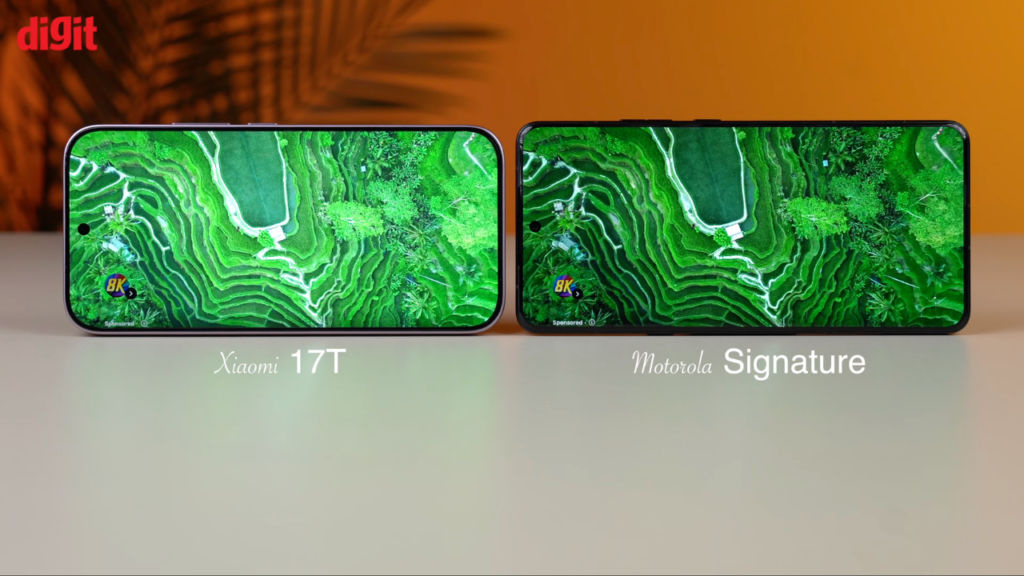
However, specifications don’t always tell the full story. In daily use, the Xiaomi display feels more impressive when watching HDR content. Movies look richer, colours appear more vibrant, and the viewing angles are great. I watched ‘The Boys’ on Netflix, and I got a very immersive experience.
The Motorola display is still excellent. The larger size makes gaming and content consumption more immersive, while the 165Hz refresh rate makes scrolling feel incredibly smooth.
Xiaomi 17T vs Motorola Signature: Performance
Under the hood, the Xiaomi 17T is powered by the MediaTek Dimensity 8500 Ultra chipset, while the Motorola Signature uses the Snapdragon 8 Gen 5 processor.
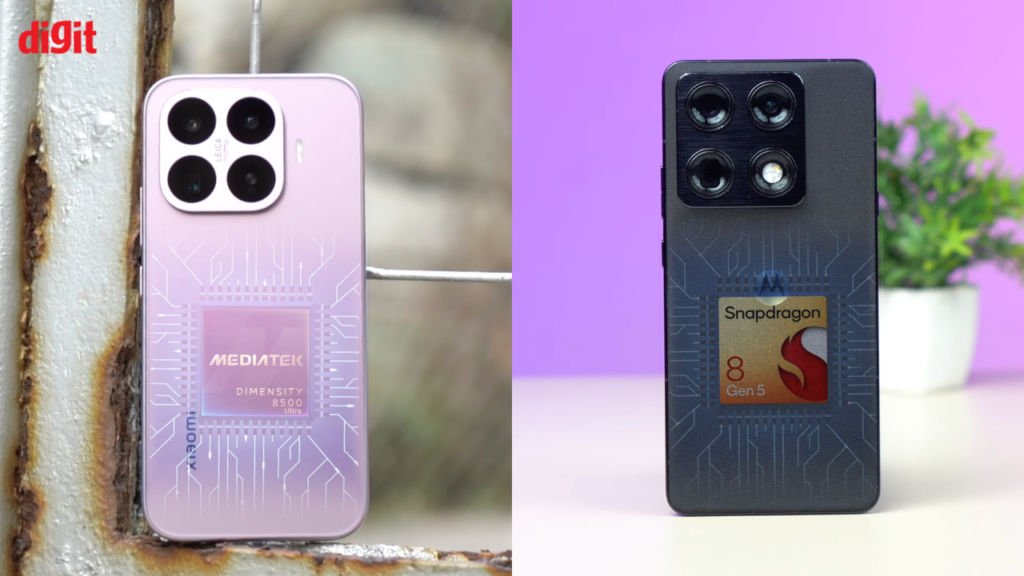
The benchmark difference is pretty visible. The Xiaomi 17T scored around 2.1 million in Antutu, while the Motorola Signature crossed 3.1 million. Geekbench results show a similar gap; Motorola got 2,892 in single-core and 9,498 in multi-core, while Xiaomi got 1,700 in single-core and 6,308 in multi-core.
That said, Xiaomi deserves credit for its thermal performance. During CPU throttling tests, it maintained around 88 per cent of its peak performance, compared to Motorola’s 61 per cent.
In everyday usage, however, both phones feel extremely fast. Apps open quickly, multitasking remains smooth, and animations are fluid. For daily tasks like messaging, browsing and social media, most users won’t notice much difference.
Gaming is the area where Motorola’s advantage becomes obvious. In BGMI, the Xiaomi 17T averaged around 86fps and could only go up to 90fps, while the Motorola Signature pushed close to 120fps. I would say that’s a meaningful difference for anyone who spends a lot of time gaming.
Xiaomi 17T vs Motorola Signature: Cameras
The Xiaomi 17T features a 50MP primary camera, a 12MP ultrawide sensor and a 50MP 5x periscope telephoto lens tuned by Leica. For selfies, it has a 32MP front camera. The entire camera system on the 17T is tuned in collaboration with Leica.
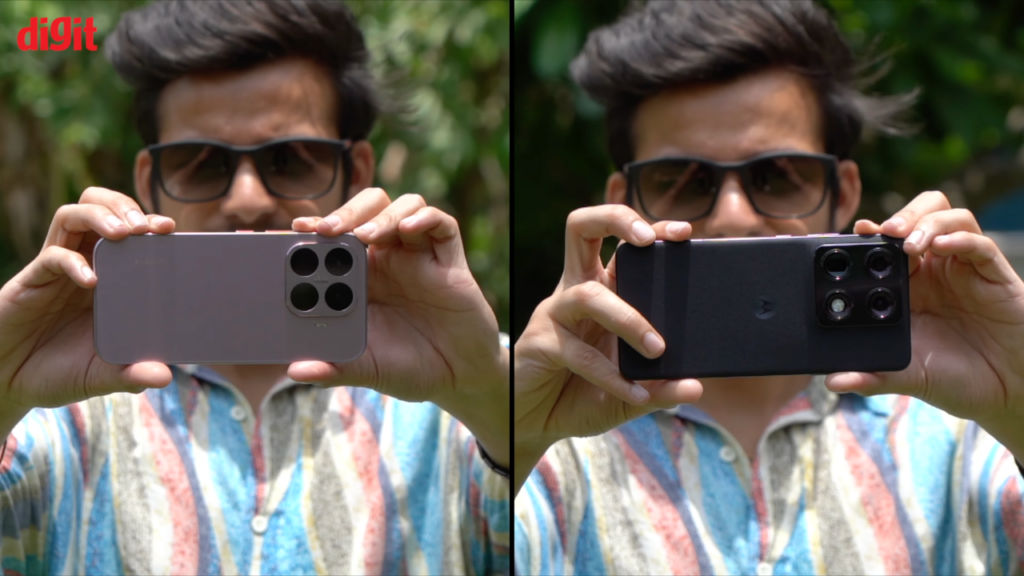
The Motorola Signature also uses a 50MP triple camera setup, including a 50MP primary, 50MP ultrawide and a 50MP 3x telephoto camera. Selfies are handled by a 50MP front camera.
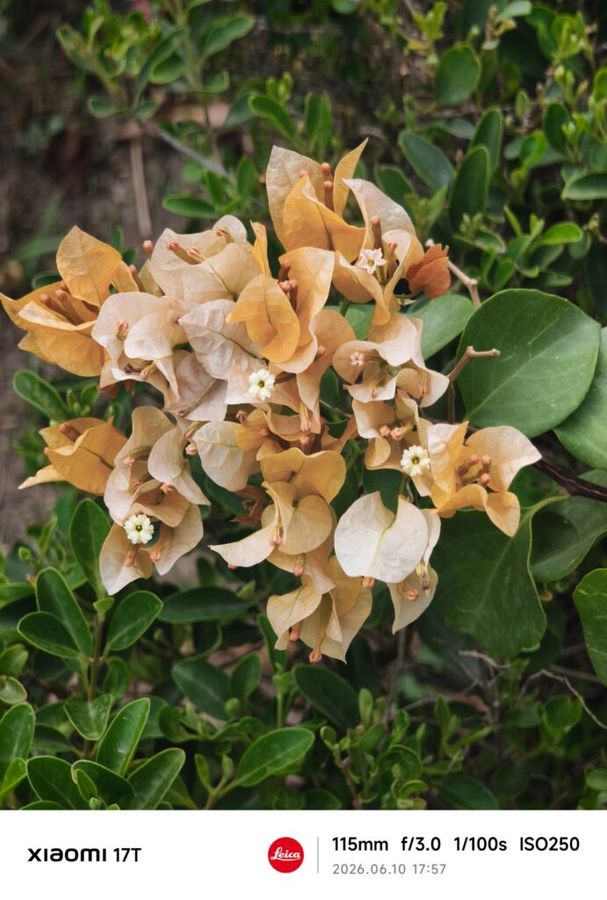
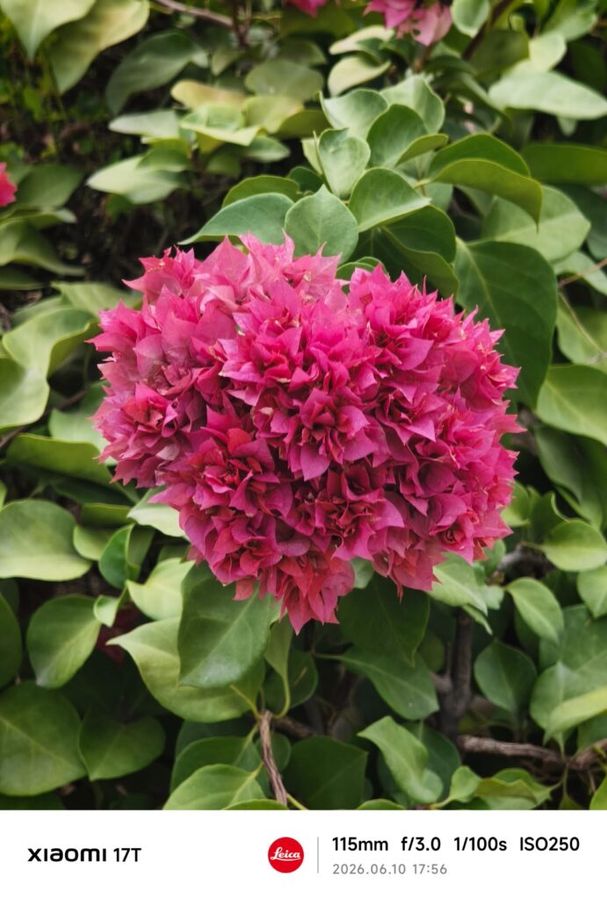
Starting with the main camera, both phones produce excellent images. By the way, for this comparison, all Xiaomi shots were taken using Leica Authentic mode, which delivers more natural-looking colours. Motorola tends to apply slightly warmer tones, making images appear a little more vibrant straight out of the camera.
In terms of detail, the Xiaomi 17T has a slight edge. Fine textures and smaller elements within the frame are retained slightly better, and highlight control also feels more natural.
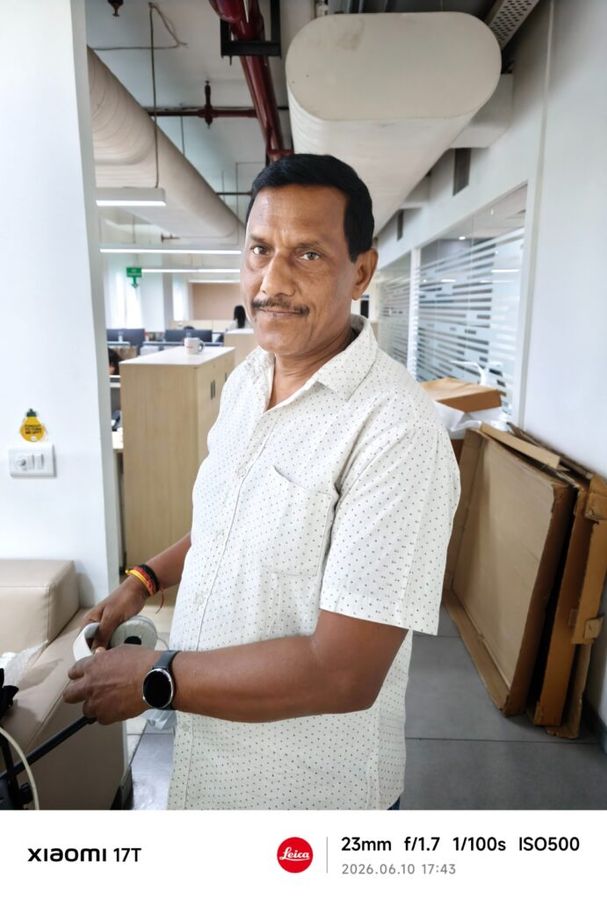

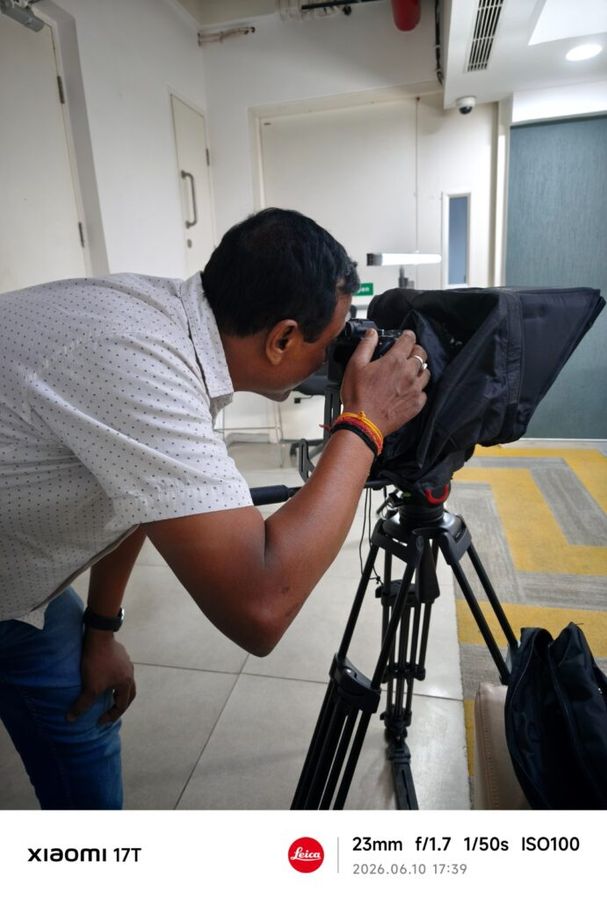
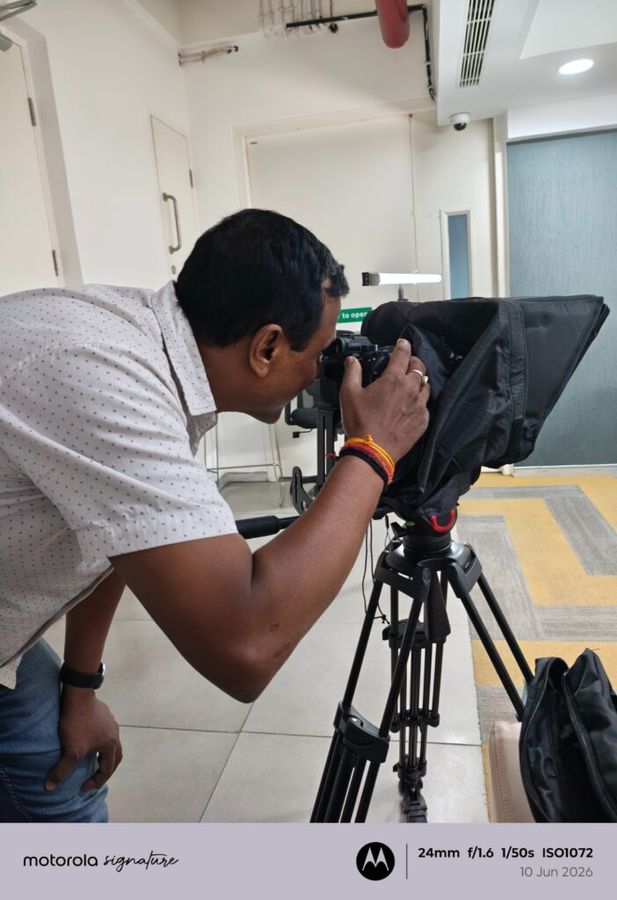


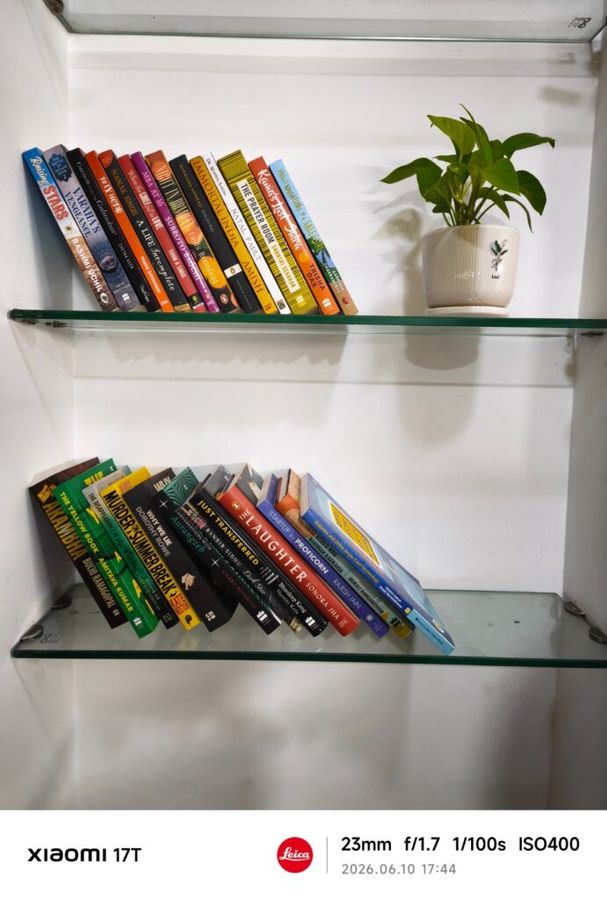

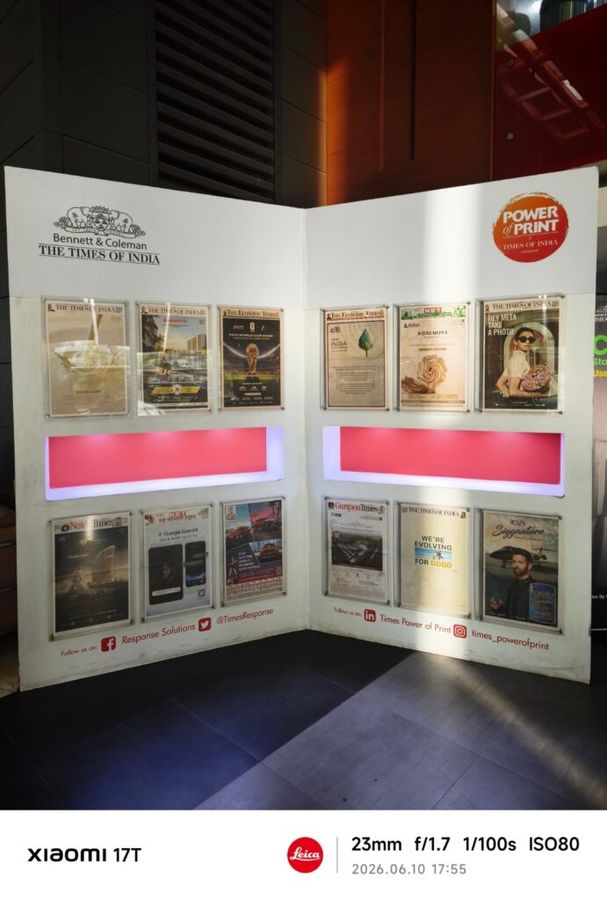
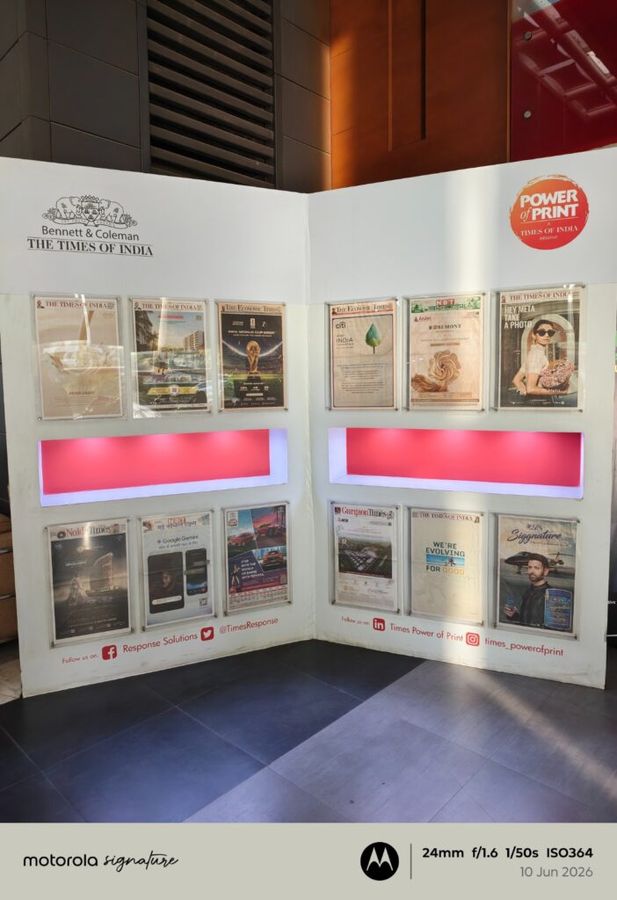


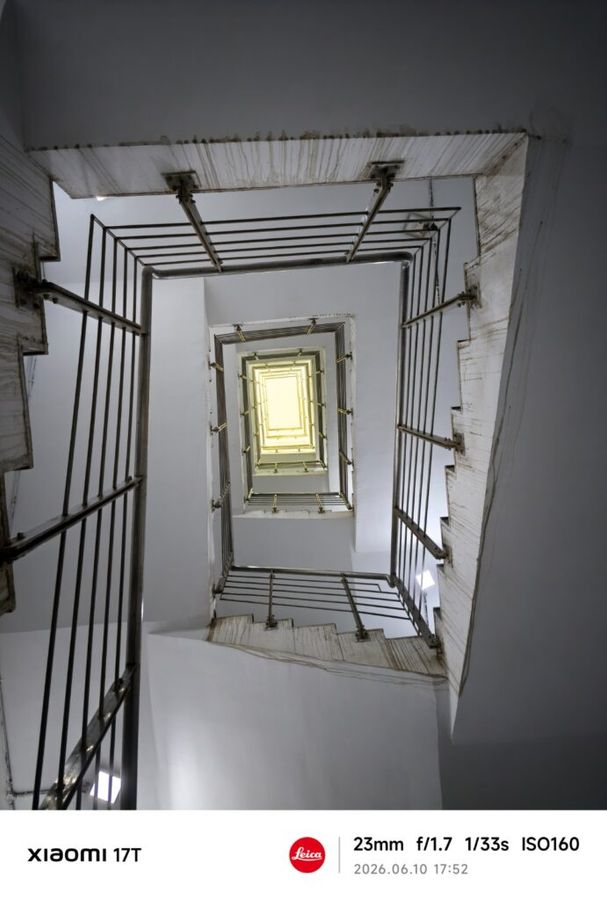

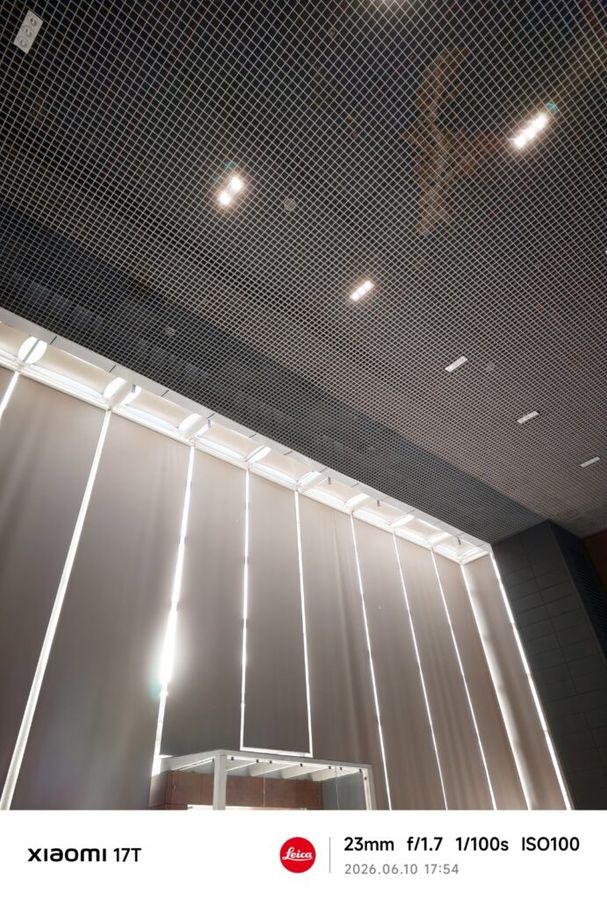
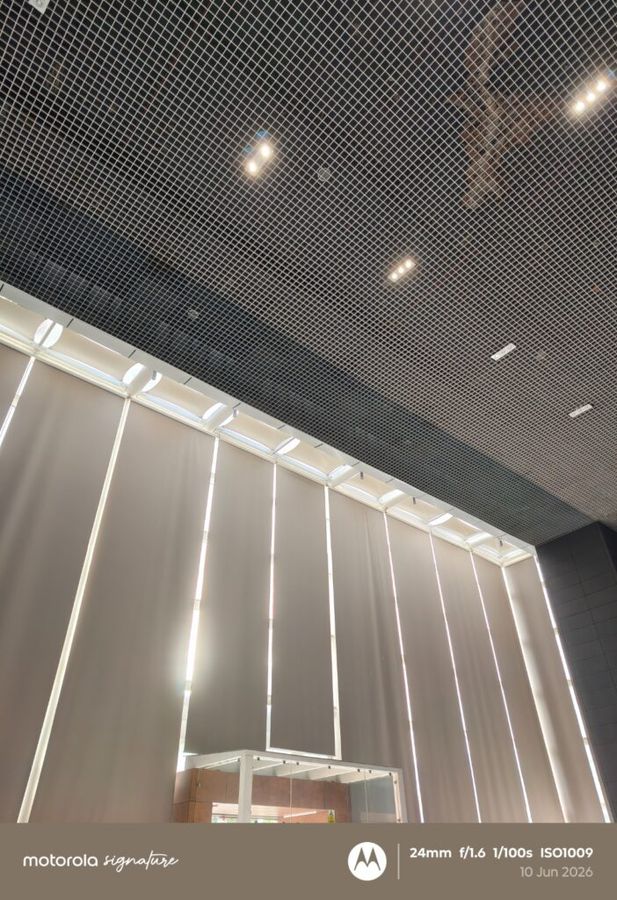
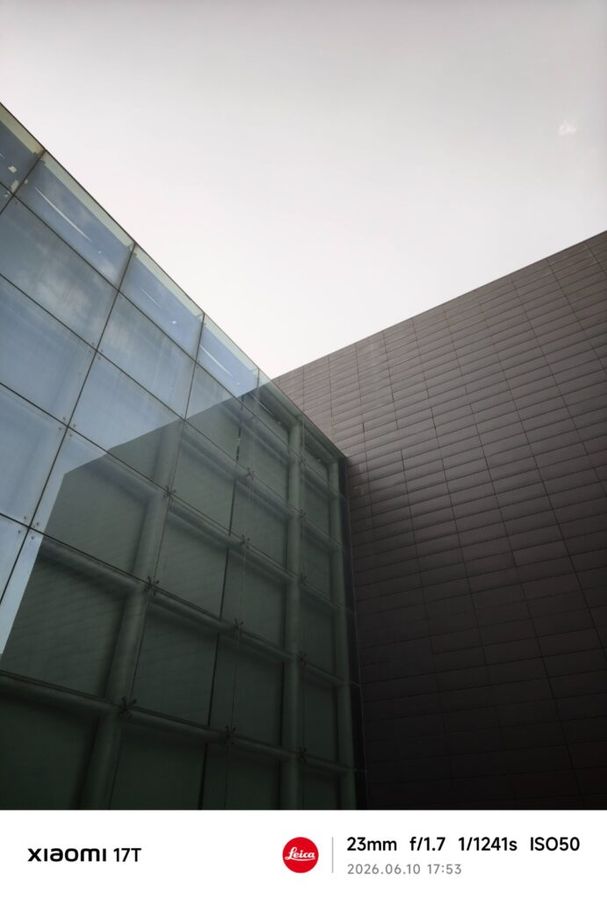
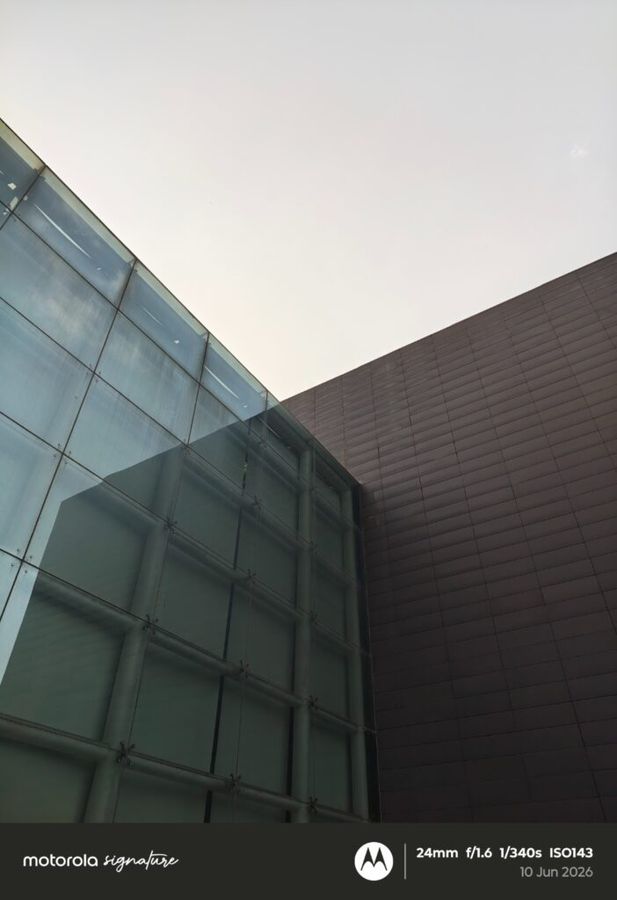
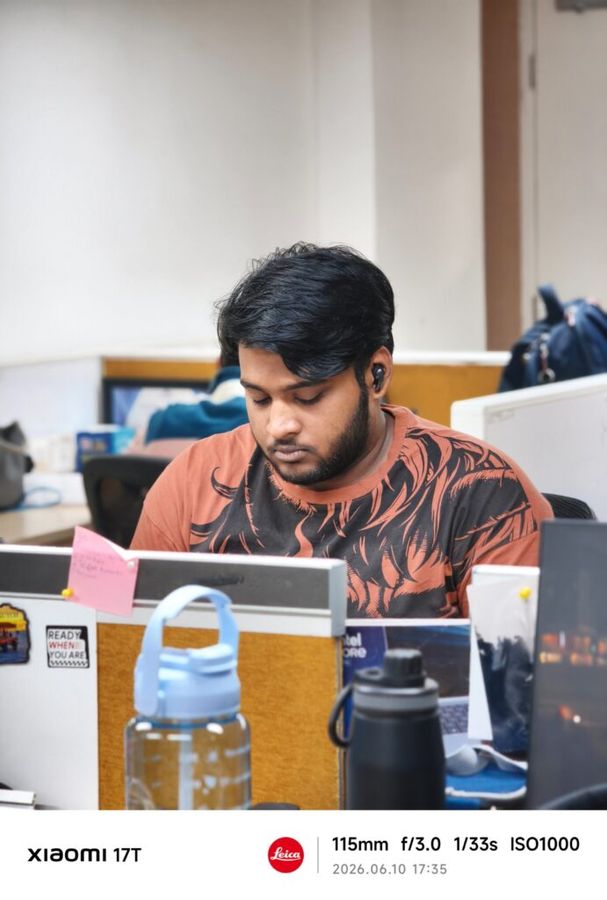
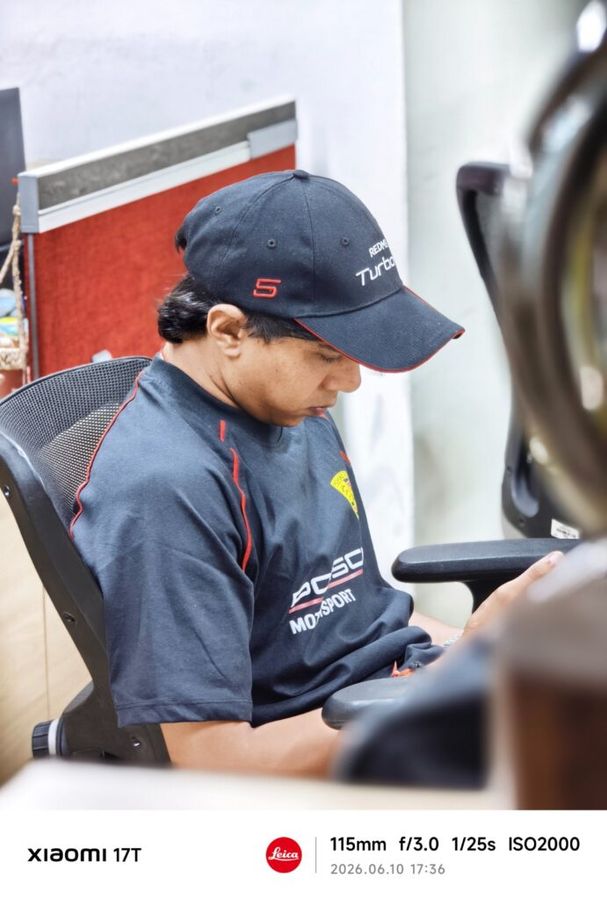
In portrait mode, Xiaomi produces portraits that feel realistic and true to life, while Motorola delivers punchier colours and a more social-media-friendly look. Both perform extremely well, and edge detection is surprisingly close between the two.
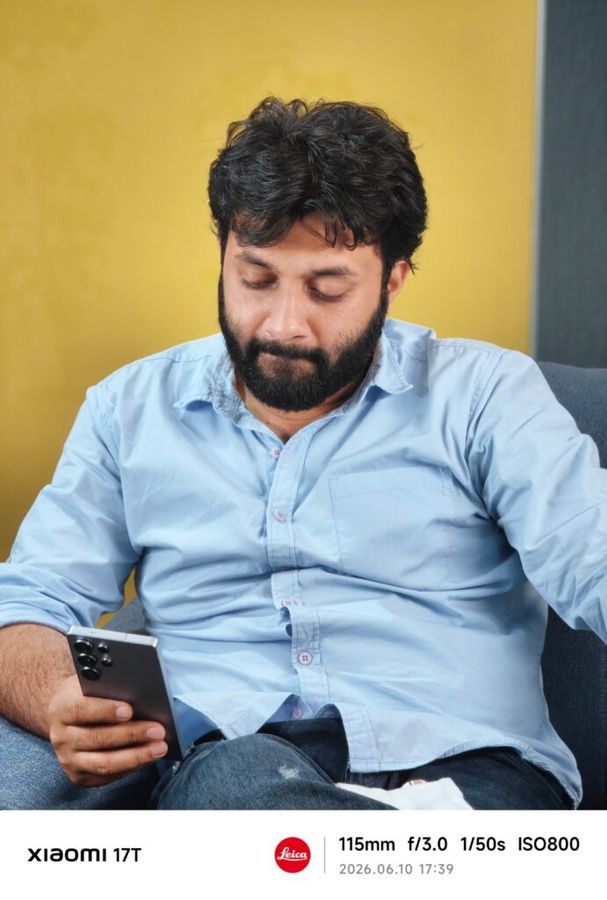










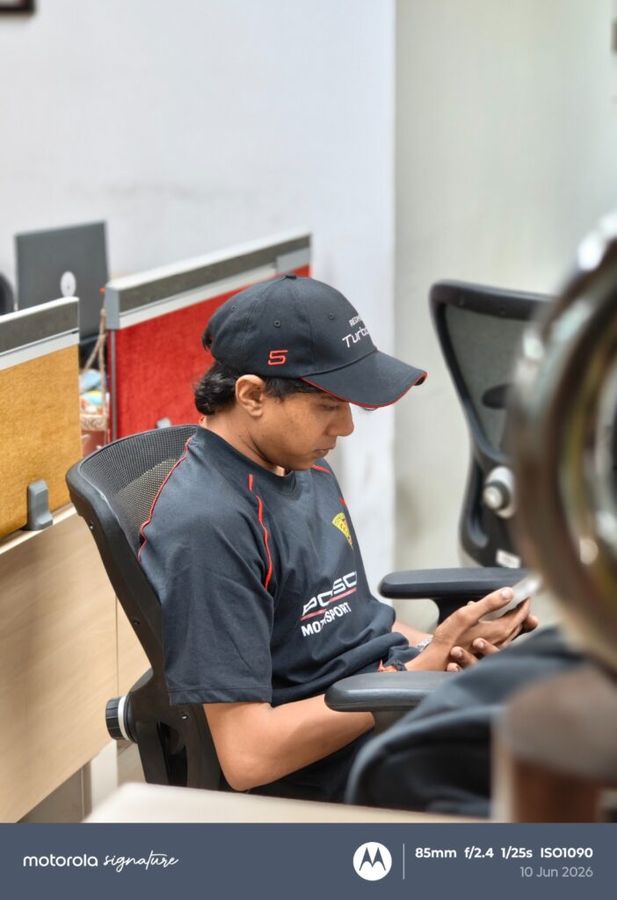
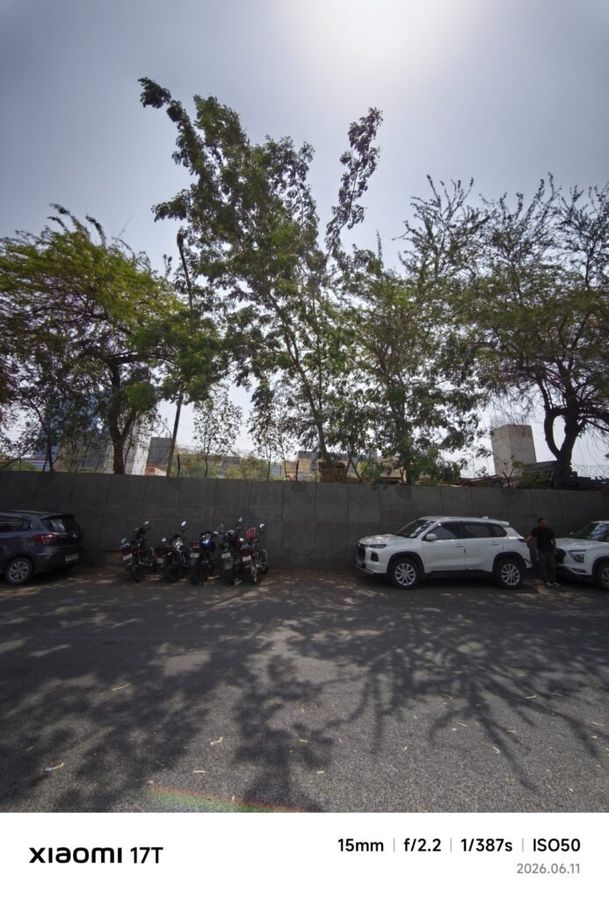
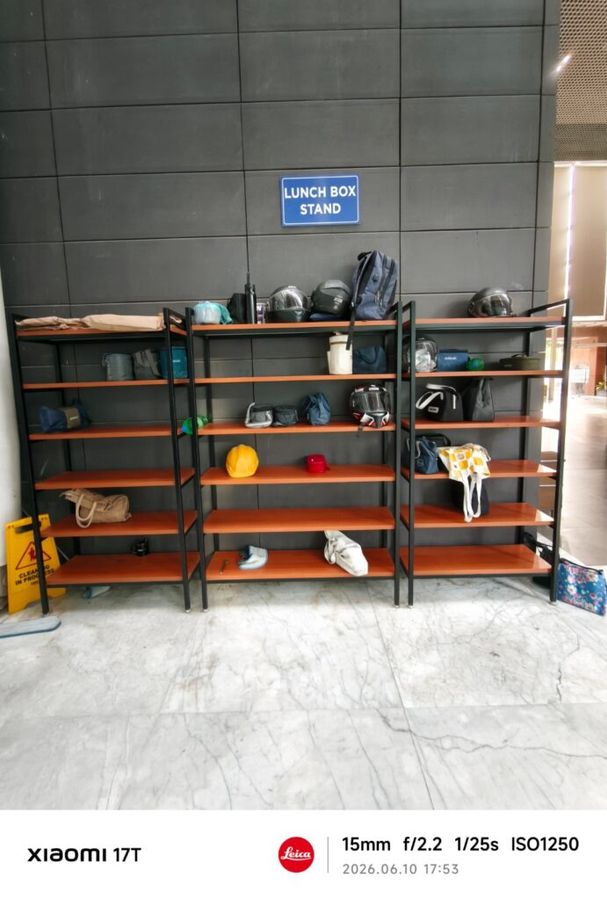
Motorola’s 50MP ultra-wide sensor is noticeably better than Xiaomi’s 12MP alternative. Images contain more detail, look sharper and feel more flagship-grade overall.
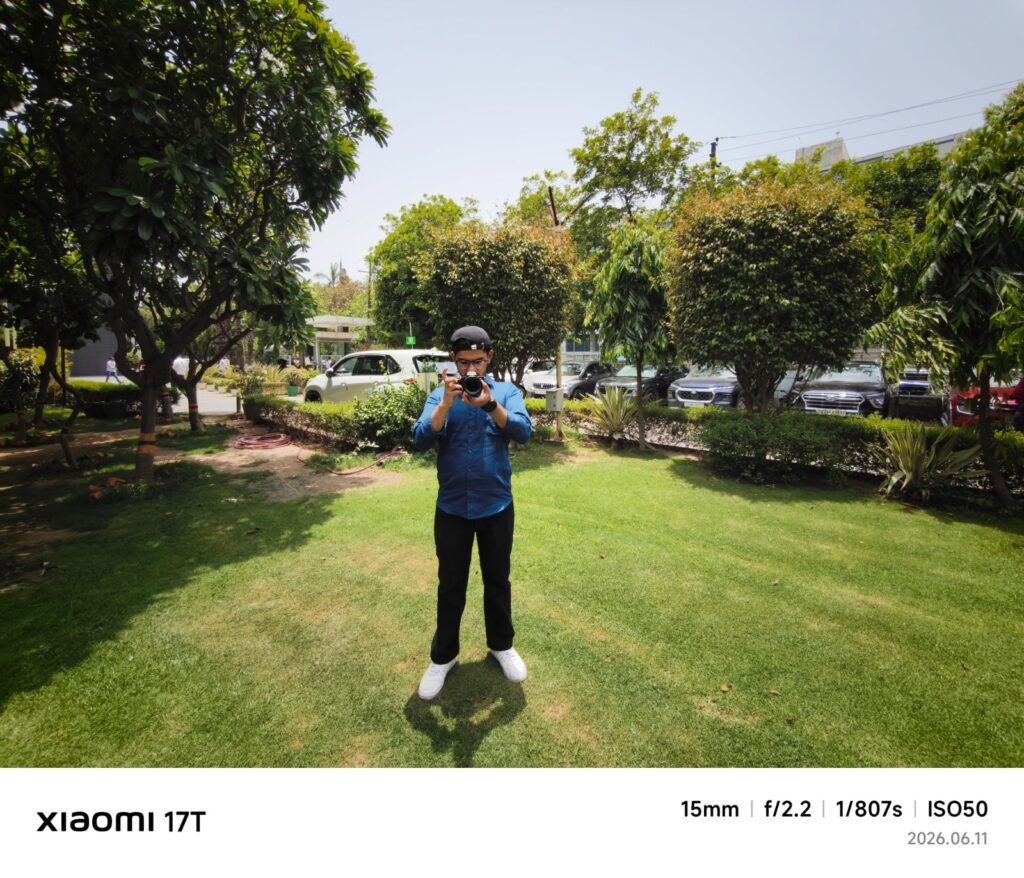
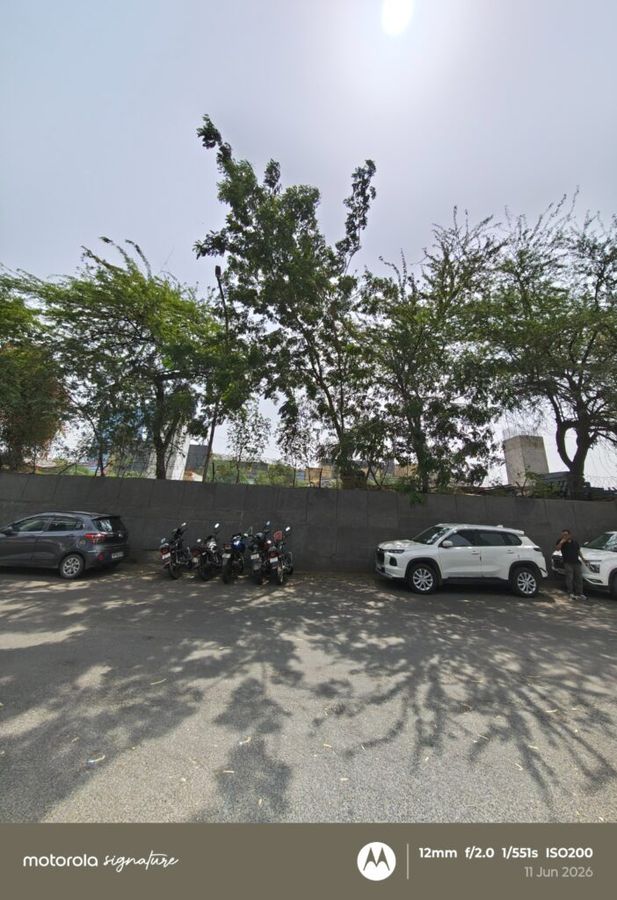
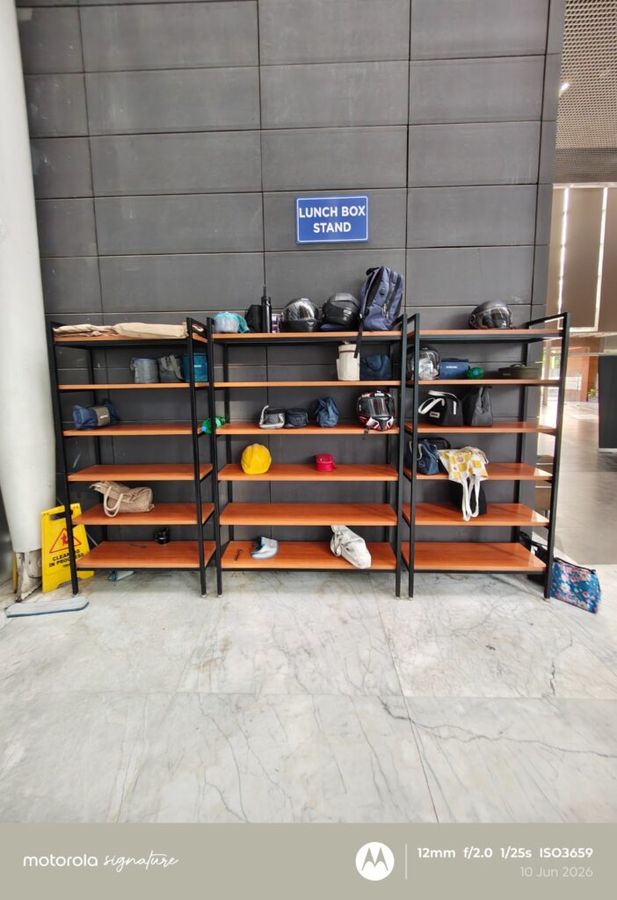

Motorola’s 50MP front camera captures more detail and generally produces cleaner results.

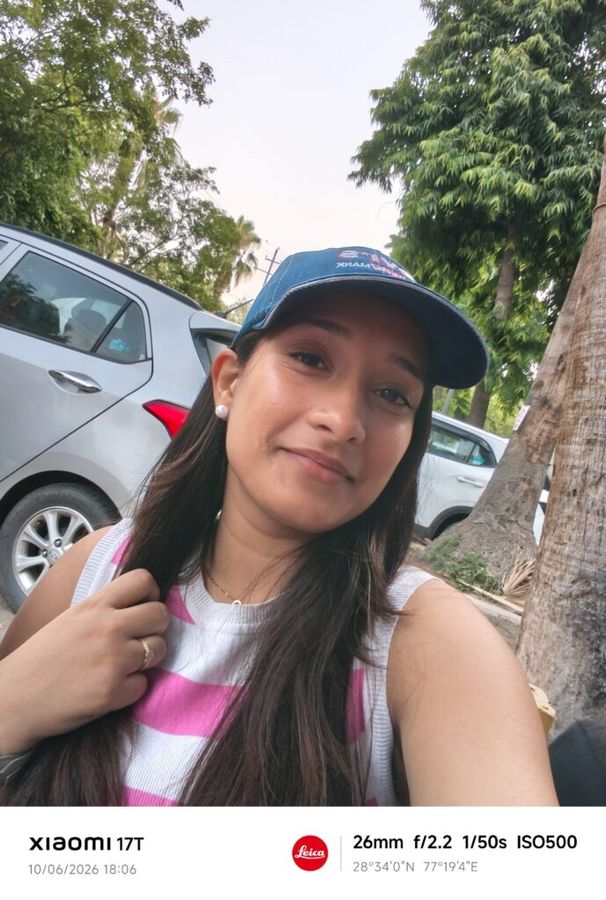
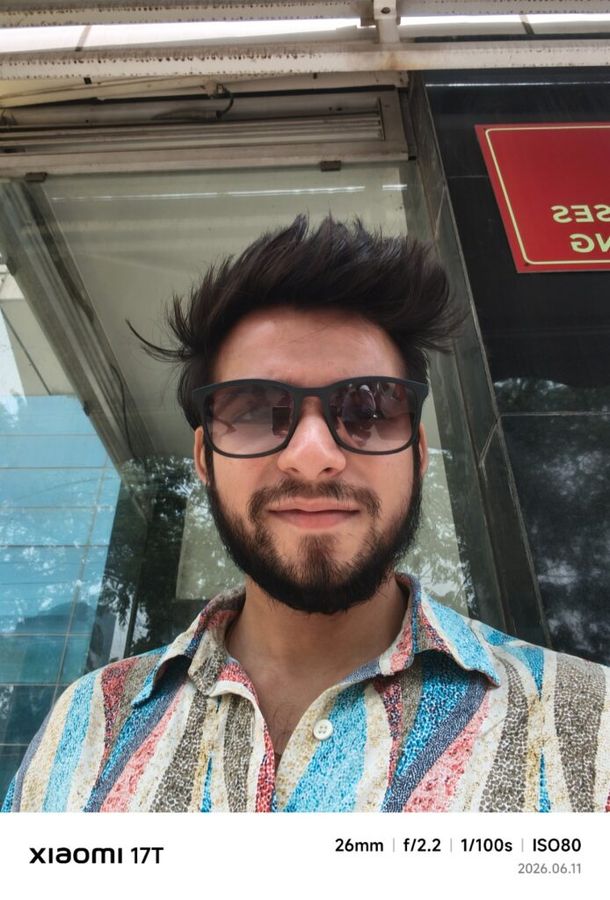



However, when it comes to portrait selfies, I actually preferred the Xiaomi. The background separation in images looked more natural, and the overall output felt more balanced.




Video recording is another area where Motorola gains an advantage. The Signature supports 8K recording at 30fps with Dolby Vision support, while the Xiaomi 17T tops out at 4K 60fps.
Xiaomi 17T vs Mbotorola Signature: Battery and charging
The Xiaomi 17T packs a large 6,500mAh battery, while the Motorola Signature uses a smaller 5,200mAh battery. For obvious reasons, in daily usage, the difference is noticeable. The Xiaomi lasts longer and can comfortably stretch into a second day for moderate users.
In our PCMark Battery test, the Xiaomi 17T lasted an impressive 15 hours and 24 minutes, while the Motorola Signature lasted only 12 hours and 38 minutes.
However, charging is where Motorola shines. Motorola Signature supports 90W wired charging, 50W wireless charging, and reverse wireless charging. Xiaomi 17T only supports 67W wired charging.
Xiaomi 17T vs Motorola Signature: Software
The Xiaomi 17T runs on HyperOS 3 based on Android 16, while the Motorola Signature uses Hello UI based on Android 16.
HyperOS offers more features and tighter ecosystem integration, while Hello UI focuses on a cleaner, near-stock Android experience.
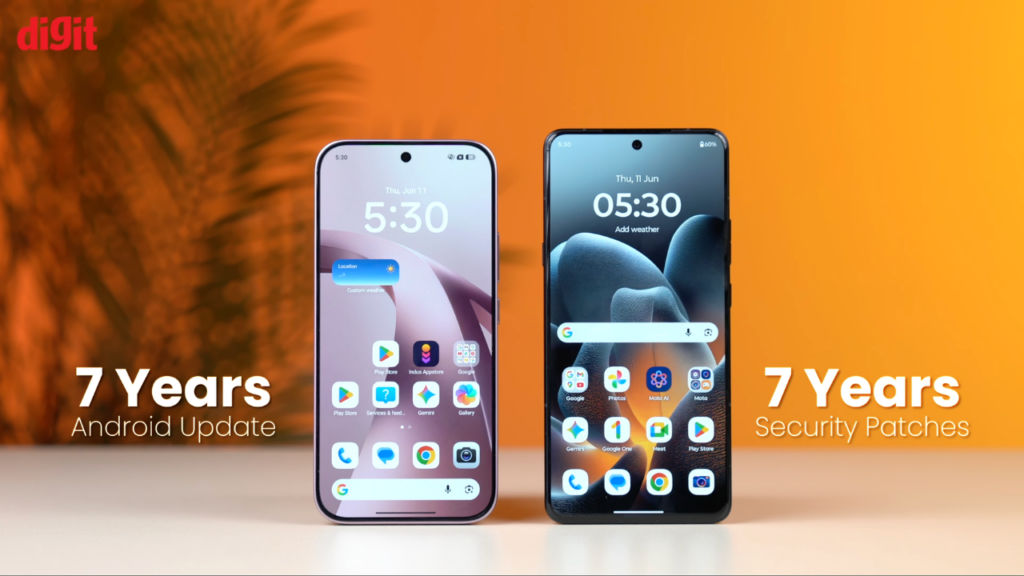
Personally, I prefer Motorola’s software because it feels simpler, less intrusive, has no bloatware and is more fluid.
In terms of updates, both brands promise seven years of Android updates and seven years of security patches, which is excellent to see at this price point.
Xiaomi 17T vs Motorola Signature: Which one should you buy?
After spending time with both devices, the conclusion becomes surprisingly clear. If photography is your top priority, I’d pick the Xiaomi 17T. The Leica tuning, excellent telephoto camera, strong battery life and gorgeous display create a package that feels designed specifically for camera enthusiasts.
But for most buyers, the Motorola Signature is the more complete smartphone. It offers better build quality, stronger performance, cleaner software, a better ultrawide camera and more versatile charging features.
The Xiaomi 17T wins in a few very important areas. The Motorola Signature simply wins more of them. And when you’re spending close to Rs 60,000, that’s what ultimately matters. Not which phone has the better specifications on paper, but which one asks you to make fewer compromises. Right now, that phone is the Motorola Signature.


