
Ductless vs ducted chimney: Which is better for your kitchen?
 Follow Us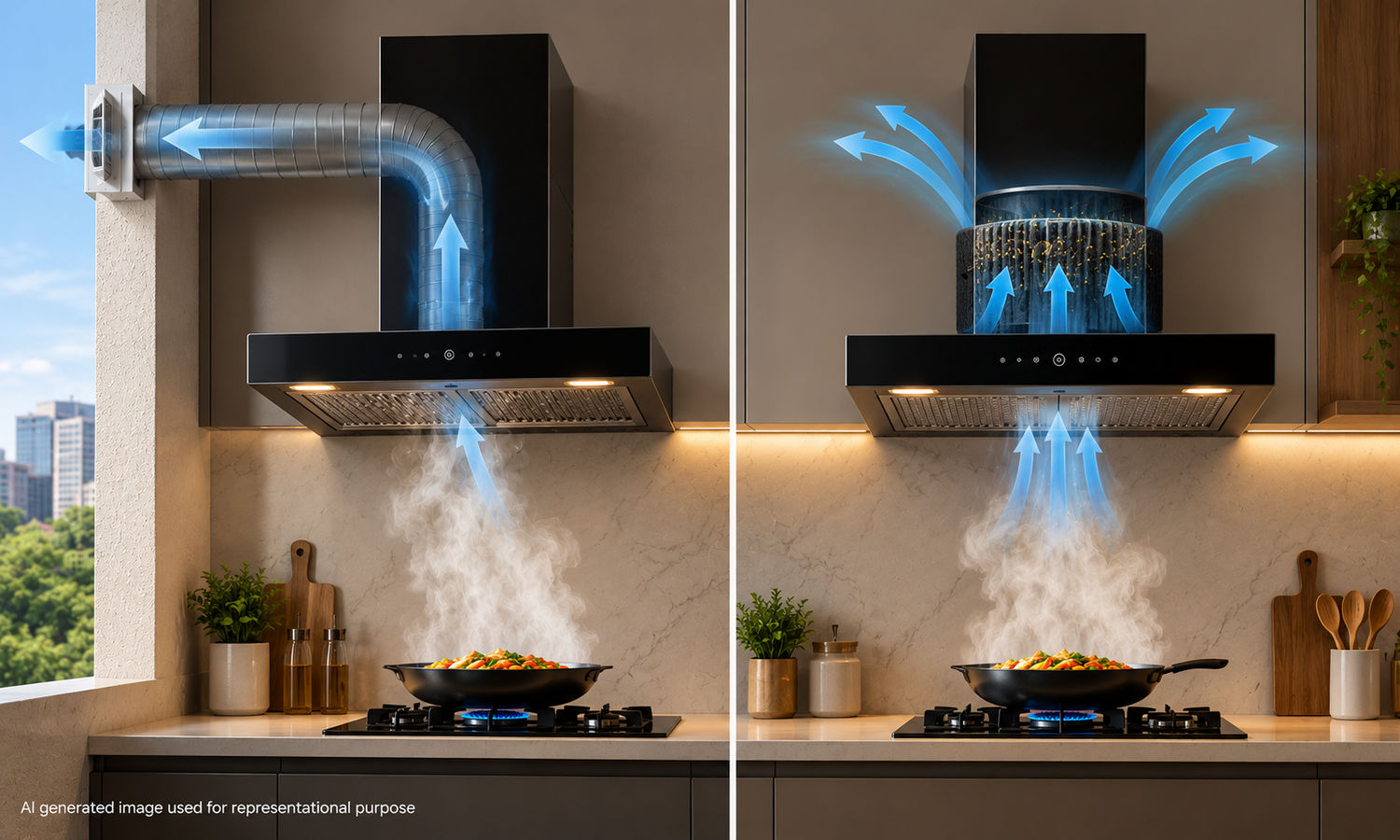

A kitchen chimney has become an important part of the modern kitchen, especially for homes where cooking involves regular frying, tadka and high-heat preparation. But before comparing suction power, controls or AutoClean, there is one basic choice to make: should you buy a ducted or ductless chimney?
 Survey
Ducted and ductless chimneys can both handle heavy Indian cooking, including frying, tadka and high-heat preparation. The key difference is how they are installed and where the extracted air goes. A ducted chimney carries the air outside through an exhaust pipe, while a ductless model filters it and recirculates it into the kitchen.
For kitchens that already have a suitable external route, a ducted chimney can be installed.
Plug ‘N’ Play ductless chimney is an innovation that provides the same performance as a ducted chimney without core cutting and cutting, so no need to alter a kitchen or deal with a difficult installation.
Here are six options to consider before getting into the differences between the two types.
Beyond Appliances Cube Pro
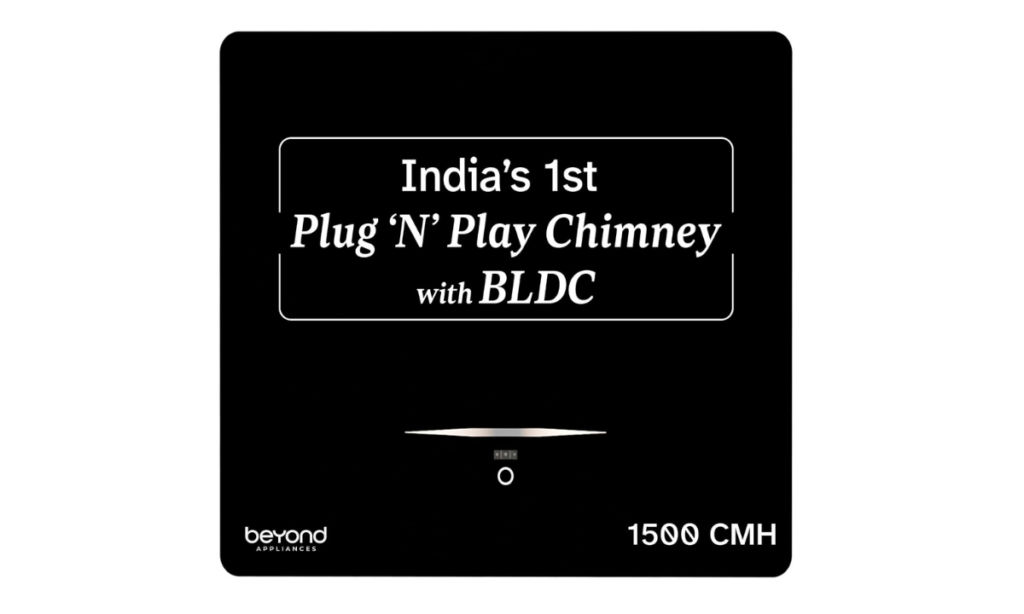
The Cube Pro takes a ductless approach, with a Plug N Play design and a five-stage activated charcoal filtration system. It has a stated 1500 CMH suction capacity, three-sided vents designed to draw air from multiple directions, AutoClean and a BLDC motor. The activated carbon filtration is designed to help deal with smoke and cooking odours, while the duct-free setup means there is no need for core cutting or an exhaust duct.
The BLDC motor is designed to keep noise and energy consumption in check while delivering the required airflow. The filtration system is also designed around maintaining airflow rather than simply restricting it; the Cube Pro combines its five-stage filtration with a stated 1500 CMH suction capacity. This gives the chimney its ductless setup without relying on an external exhaust route, which can be useful in kitchens where conventional duct installation is difficult.
Beyond the Plug N Play installation, filter life is another part of the ownership proposition. The activated carbon filter is designed to last for up to four years and comes with a four-year filter warranty. As with any recirculating chimney, keeping the filter within its intended service life and following the recommended cleaning and usage routine is important for maintaining filtration performance.
Beyond Appliances Cube
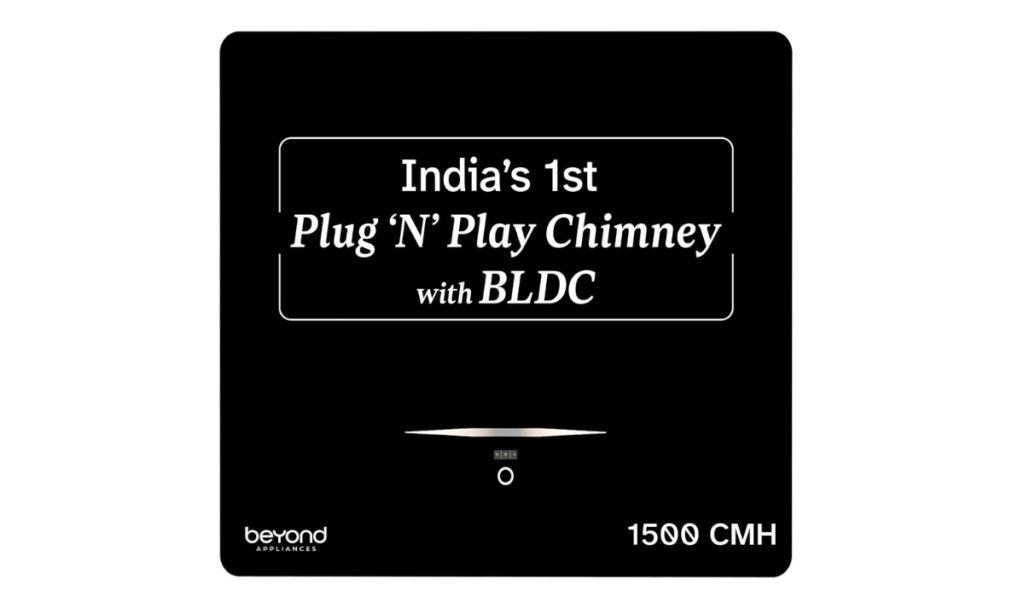
Beyond Appliances Cube comes with activated charcoal filtration and AutoClean. Its Plug ’N’ Play setup is the main highlight here, with installation possible using two screws and a power connection. There is no core cutting or ducting involved, which makes the chimney easier to install in rented homes, apartments and finished kitchens where creating an external exhaust route can be difficult.
The activated carbon filter helps reduce cooking odours, while the chimney recirculates the filtered air back into the kitchen. AutoClean handles grease collected inside the chimney, and multiple suction modes let users adjust the airflow based on their cooking. The three-sided vents also help draw in air from different directions.
Another practical aspect of the Cube is that it can be uninstalled and moved when required. This makes the Plug ’N’ Play format useful for users who may not want to make permanent changes to their kitchen.
Beyond Appliances Eris
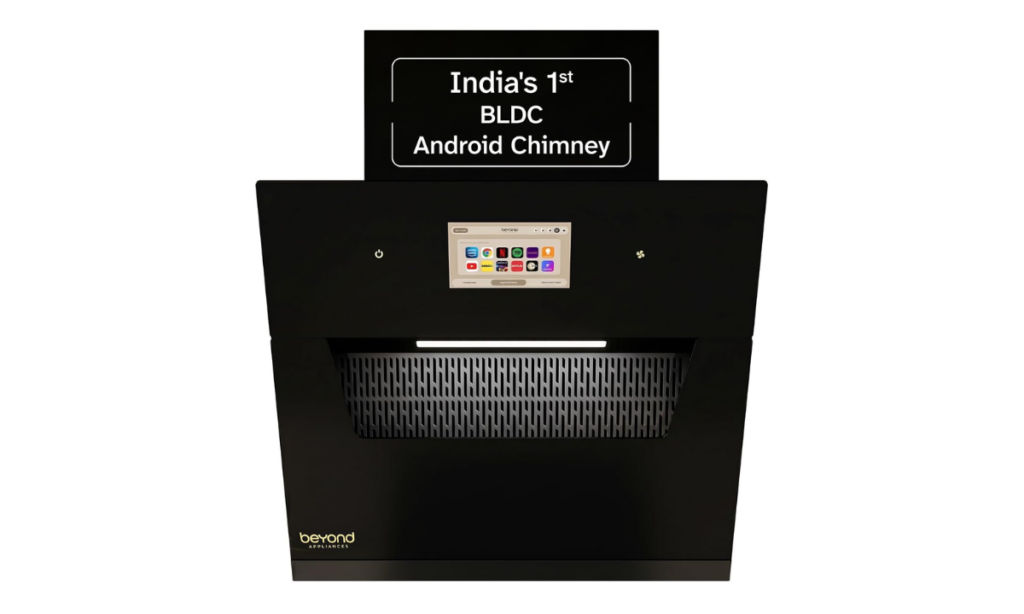
Smaller cooking surfaces can benefit from a compact 60 cm chimney, and the Eris combines this size with a filterless design. Its 3D suction intake is engineered for close-range smoke capture, eliminating the need for a conventional baffle or mesh filter that needs to be removed and washed.
A BLDC motor powers the suction system, with the motor designed to deliver efficient airflow while keeping noise and energy consumption in check. The Eris also comes with AutoClean, adding grease management to the setup.
The Smart Display Hub is another major part of the Eris. It features a touchscreen interface along with built-in speakers, while Android-based smart features bring connected functionality to the chimney. The speakers also allow audio playback directly from the appliance. Its 60 cm format makes it suitable for smaller cooking surfaces and kitchens where wall space above the hob is limited.
Elica EFL 3V 751 BLDC HAC LTW MS NERO
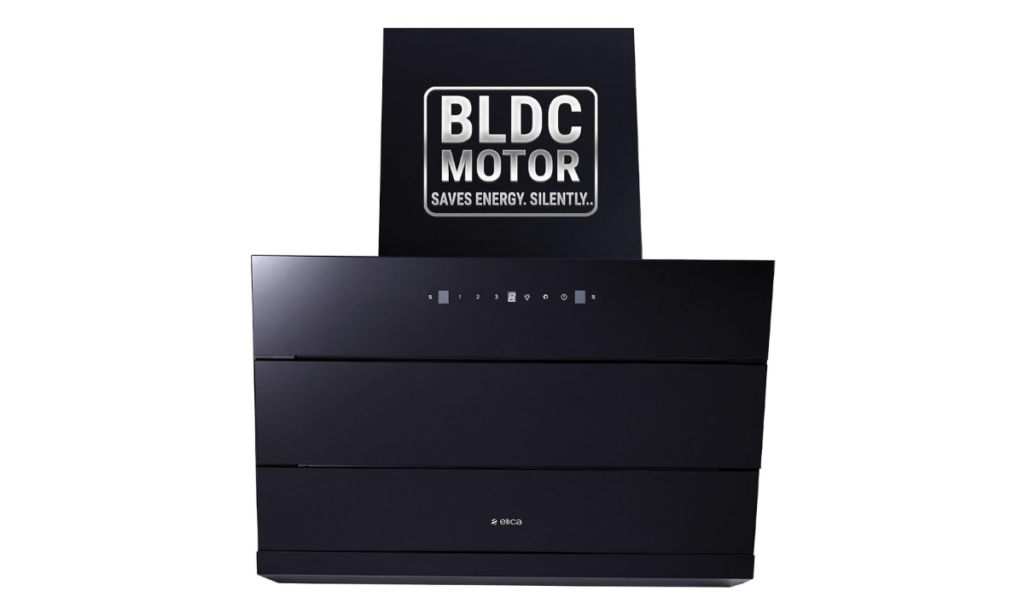
Elica’s EFL 3V 751 is a 75 cm ducted chimney with a filterless design, BLDC motor and AutoClean. Its wider format is suited to larger hobs, while the ducted setup carries extracted air outside rather than recirculating it.
The filterless design means there is no conventional baffle or mesh filter to remove and clean. AutoClean manages grease inside the chimney, while the BLDC motor handles suction. Since this is a ducted model, installation requires an external exhaust outlet and enough space for the duct route. It is also important to keep the terminology separate: filterless describes the filter architecture, while ducted describes the route taken by the extracted air.
Glen Hood Anya
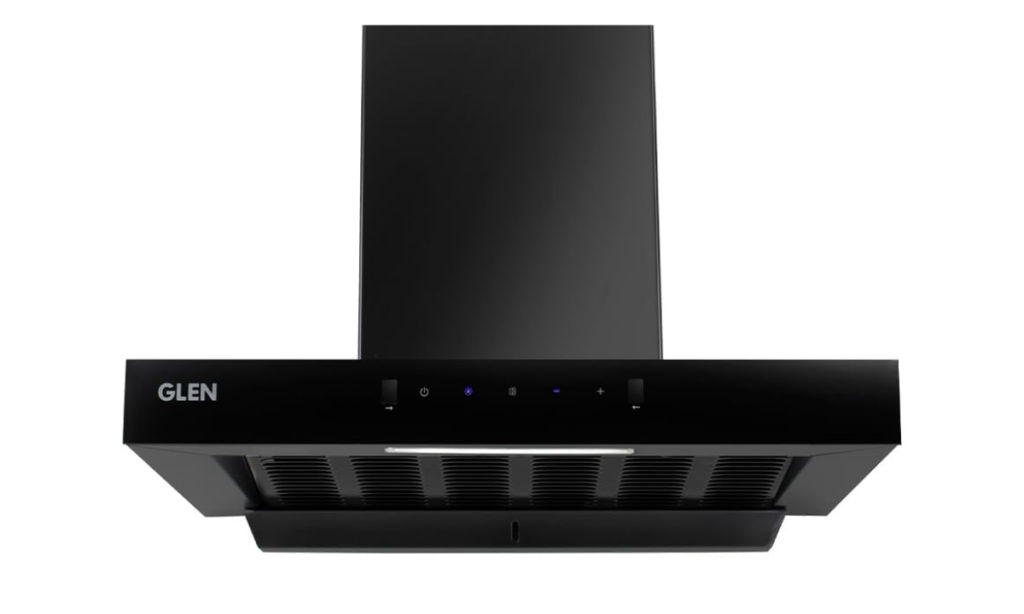
With a 60 cm width, the Glen Hood Anya 60 is aimed at kitchens with smaller cooking surfaces. Its filterless design removes the need for a conventional grease filter, while thermal AutoClean helps deal with grease collected inside the chimney.
Touch and gesture controls are also part of the package. Its compact dimensions can work well in a kitchen where the required ducting is already available, although installation still depends on having a suitable external exhaust route. This is the main consideration when comparing it with a Plug ’N’ Play ductless chimney, which does not require the same ducting provision.
Faber Hood Primus Plus
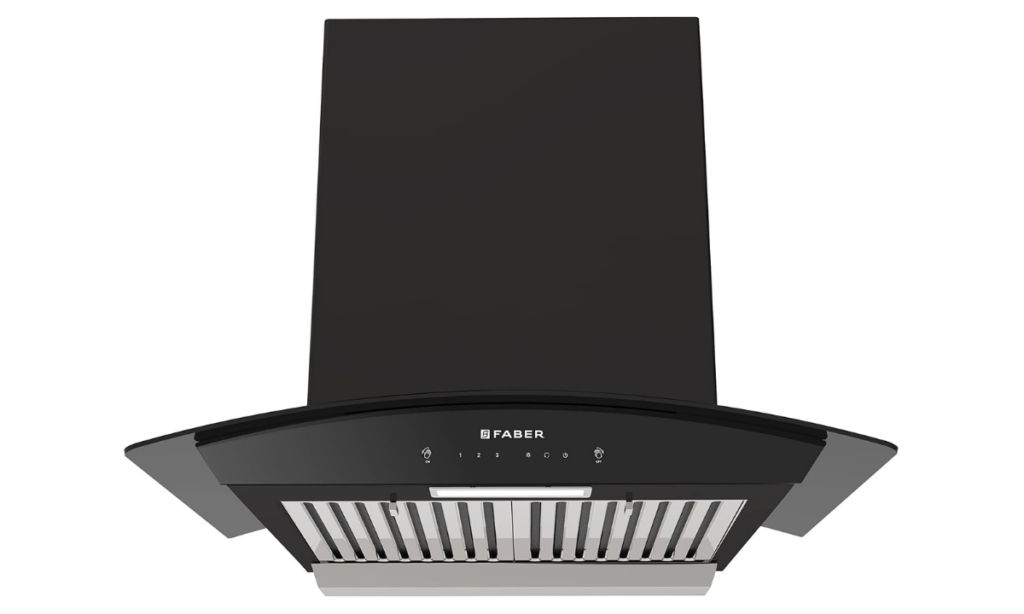
Faber takes a different filtration approach with the Hood Primus Plus Energy 75, using a baffle filter rather than a filterless system. At 75 cm wide, it is suited to larger hobs where a wider chimney can provide more coverage over the cooking area.
Baffle filters are designed to separate and collect grease from cooking fumes, while activated carbon is primarily used to help reduce odours in recirculating systems. AutoClean and touch controls are also included. For cooking that frequently involves oil, tadka and spices, the baffle filter will need periodic cleaning as part of routine maintenance. AutoClean can reduce the effort involved in managing grease inside the appliance, but it does not eliminate the need for regular care of the chimney and its user-serviceable filtration components.
Ducted vs ductless chimney: how do they work?
The main difference is what happens to the air after the chimney pulls it in. A ducted chimney sends the air outside through an exhaust pipe, while a ductless chimney passes the air through its filtration system and returns it to the kitchen.
In a ducted chimney, the motor creates suction above the hob, pulls smoke and grease-laden air into the chimney, and the captured air is carried through a duct to an external outlet. In a ductless chimney, the motor also draws the cooking air in, but instead of sending it through an external pipe, the air passes through the chimney’s filtration stages; activated carbon can help reduce odours, and the filtered air is then recirculated into the room. The defining difference is the destination of the extracted air.
Ductless chimneys are much easier to install because there is no need to create an external exhaust route. This can be particularly useful in high-rise apartments, rented homes or kitchens where the hob isn’t positioned close to an exterior wall. Beyond Appliances Cube and Cube Pro use a Plug ’N’ Play approach that removes the need for core cutting and ducting. Cube Pro also adds a portable proposition: it can be installed and later uninstalled without treating the chimney as a permanent renovation project.
| Feature | Ductless | Ducted |
| Air handling | Filters and recirculates | Exhausts outside |
| Duct required | No | Yes |
| Installation | Simpler | Requires ducting |
| Kitchen layout | More flexible | Needs suitable exhaust route |
| Odour control | Depends on filtration | Exhausted outside |
| Heat and moisture | Remain indoors | Can be exhausted |
| Best suited to | Kitchens without ducting | Kitchens with duct provision |
Which type should you choose?
For many modern kitchens, ductless is simply easier to work with. There is no exhaust pipe to plan, no hole to make in an external wall, and no need to figure out how to route a duct around cabinets. A good ductless chimney with proper filtration can handle the everyday smoke, grease and odours generated while cooking, without the installation constraints of a ducted setup.
For Beyond Appliances, the Plug ’N’ Play proposition is central to this approach. Cube and Cube Pro are designed for duct-free installation and use activated-carbon filtration to help manage cooking odours. Cube Pro adds five-stage filtration, three-sided vents and a stated filter life of up to four years with a four-year filter warranty. The key point is that ductless does not mean no filtration: filtration is the mechanism that makes recirculation possible.
Ducted chimneys still have their place, especially in homes where a proper exhaust outlet is already available. Sending the extracted air outside is useful when cooking produces a lot of smoke and heat, but the duct itself needs to be planned properly. A long pipe with multiple bends can also affect airflow, so installation becomes part of the overall chimney setup.
A ducted chimney therefore involves more than simply attaching a pipe. The exhaust route, outlet position, duct length and bends all form part of the installation. By contrast, a ductless chimney removes that external-airflow route from the installation, but places greater importance on the filtration system because the air is returned indoors.
What should you check before buying?
Once you’ve narrowed down the chimney type, a few practical details can help you choose the right model for your kitchen. The size of the hob, available installation space, filtration and your cooking habits all have a bearing on how well a chimney will fit into your setup.
- Chimney size: A 60 cm model is generally suited to a smaller hob, while 75 cm gives better coverage over a wider cooking surface. The available space above the hob also needs to be taken into account.
- Ducting: A ducted chimney needs an exhaust route to the outside. If the kitchen doesn’t have one, installing a ductless/Plug ’N’ Play model avoids the extra cost and installation mess associated with core cutting and ducting.
- Filtration: This matters more with a ductless chimney because the air is returned to the kitchen after filtration. Activated charcoal filters help with cooking odours, while filterless models don’t have a conventional grease filter.
- Suction capacity: The amount of cooking you do should guide this choice. Frequent frying and high-heat cooking call for more suction than lighter everyday meals.
- Maintenance: AutoClean helps deal with grease inside the chimney, but regular cleaning is still part of owning one. Ductless models with charcoal filters also require filter replacement over time.
Ductless vs ducted chimney: which is better?
There isn’t much point in choosing between the two before looking at the kitchen itself. Ductless is the more convenient route when you don’t have ducting and want to avoid core cutting and the work involved in creating an exhaust route. Modern filtration makes it a practical option for everyday cooking, and the Beyond Appliances models in this list use features such as activated charcoal filtration, Plug N Play installation and AutoClean across the range.
A ducted chimney is a fit for a kitchen that already has an external exhaust provision, especially when heavy cooking is common. It removes the extracted air completely instead of recirculating it, but the installation needs to be right for the chimney to deliver its intended airflow.
In practical terms, a ducted chimney continuously moves extracted air out of the kitchen through the duct route. A ductless chimney instead cleans the drawn-in air through its filtration system and returns it to the room. Neither “ducted” nor “ductless” automatically defines every other feature of the chimney; suction, filter type, AutoClean, size and controls must be assessed separately.
FAQs
Is a ductless chimney better than a ducted chimney?
A ductless chimney is a better fit when installing an exhaust duct isn’t practical. It filters cooking fumes and odours before recirculating the air, while a ducted chimney sends the extracted air outside. The choice depends on your kitchen layout and cooking habits. A simple way to remember the difference is: ducted = extract outside; ductless = filter and recirculate. Ductless models therefore depend heavily on the quality and upkeep of their filtration system, especially for odour control.
Do ductless chimneys remove cooking smell?
Yes. Ductless chimneys use filtration to reduce cooking odours before releasing the filtered air back into the kitchen. Models with activated charcoal filters are specifically designed to help with odour control. The carbon layer is intended to help adsorb cooking odours before the filtered air is recirculated. It does not mean that every ductless chimney uses the same filter configuration, so the specific filtration system should always be checked for the model.
Does a ductless chimney need a duct?
No. A ductless chimney doesn’t require an external exhaust pipe. That’s one of its main advantages, particularly in apartments or finished kitchens where creating a new duct route can be difficult. Plug ’N’ Play designs are built around no core cutting and no ducting, allowing installation without creating a conventional external exhaust route
How often should a chimney be cleaned?
The frequency depends on how often you cook and how much oil and grease your cooking produces. AutoClean can help manage grease inside the chimney, but the appliance still needs regular cleaning. If the chimney uses a charcoal filter, that filter also needs to be replaced periodically.


