
Why LG is making its own robot joints: What that actually means
 Follow Us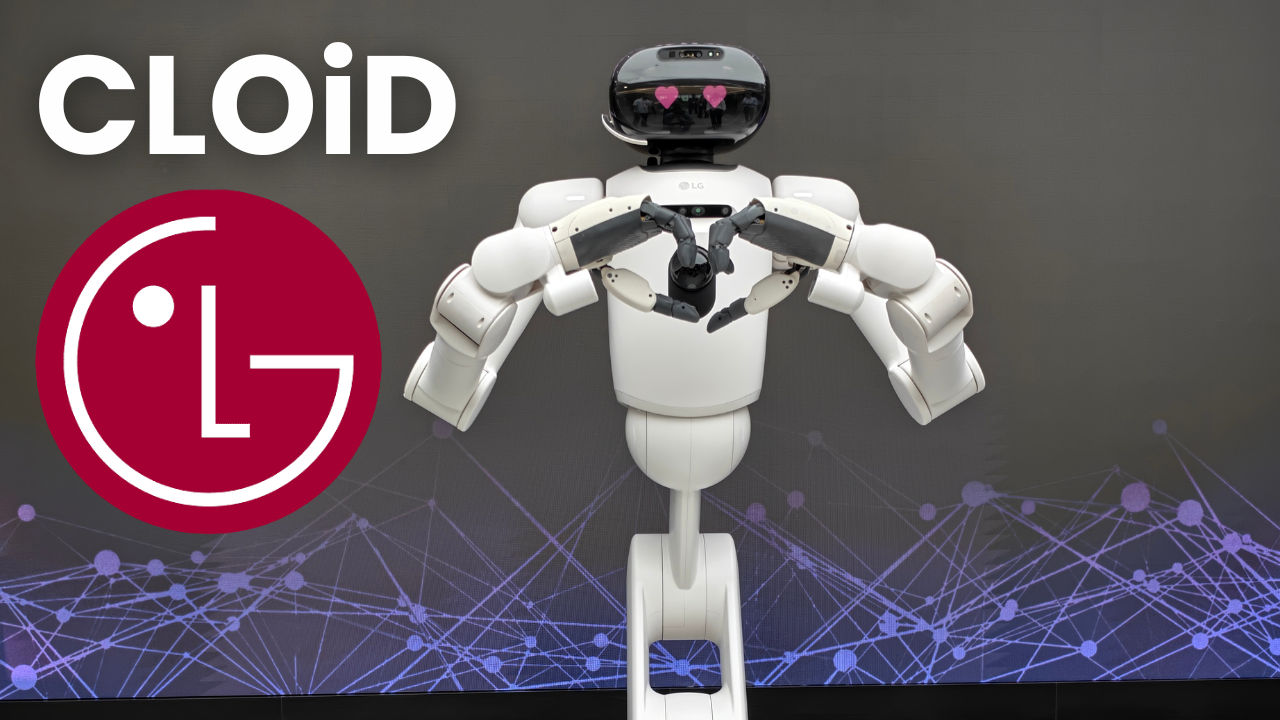

The dead graveyard of smart home robots that proved smarter than you hoped and more useless than you imagined is long and includes everything from Honda’s ASIMO to Sony’s AIBO when it stopped playing fetch and instead became a novelty toy. And a whole lot of concepts showcased every year at CES that could do no more than carry a tray from point A to B within the confines of the lab where they were tested.
 Survey
LG understands that issue, and that’s why the most important aspect of its new home robot named CLOiD, unveiled at CES 2026, is not its AI. It’s the part that nobody bothers reading past: LG Actuator AXIUM.
Also read: LG brings its AI Home vision to India: Promises appliances that think ahead
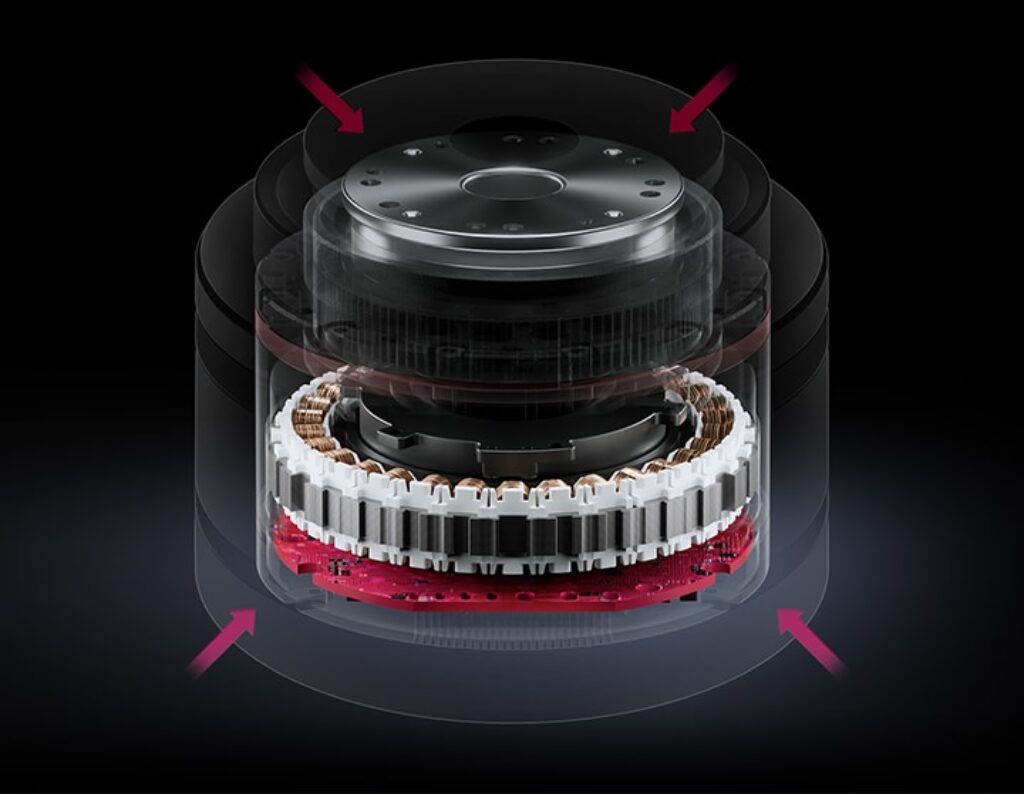
An actuator is the piece of hardware that converts an electrical signal into mechanical force. This means it’s responsible for turning robotic motion from a theoretical idea into something real and tangible – from information processing to actual physical movements. Most home robots get those components as an afterthought from third-party providers, leaving developers with a range of pre-designed solutions and limitations tied to them, including cost and size. LG chose the other way and designed its proprietary unit, combining motor, drive system, and gearbox into one compact package.
And here is where the reasoning behind the strategy becomes apparent. If we look at Apple, going silicon independent has benefitted them a lot in terms of control over the product. However, the primary advantage of doing so was vertical integration; by being in charge of both the hardware and software of its chips, Apple can design both to fit each other perfectly, which cannot be achieved otherwise. In a similar way, LG using proprietary actuators to control the movement of its CLOiD robot precisely would allow them to not be limited to anything a manufacturer may dictate.
Also read: Portable AC vs central AC: Which one is better for your home and why
It should be noted that a robot for home use has many more problems to face than a robot working in the industry. Firstly, an industrial environment has high predictability – there are smooth floors, a specific route that the robot follows, and no children running all around. A domestic environment will have carpets on the floor, messiness, pets, and other sources of unpredictability. In addition, a robot needs to work silently, be small, and perform its actions without requiring any permissions from the owner.
LG’s integration of CLOiD with the ThinQ ON hub makes it another step towards a more developed device. The robot cannot operate alone – it is part of the whole domestic network and communicates with other devices to perform pre-washing before your arrival and coordinate actions automatically without any human involvement. An actuator provides the necessary physical implementation for this software-based solution.
Whether LG can ship CLOiD at a price point that makes it a real consumer product rather than a premium showpiece is the question only time will answer. But the hardware underneath it is the most technically serious thing a home appliance company has done with robotics yet.
Also read: How Gabit aims to kill health anxiety with better data trendline


