
The Awe-Dropping Silence: Why AI took a backseat at Apple’s 2025 event
 Follow Us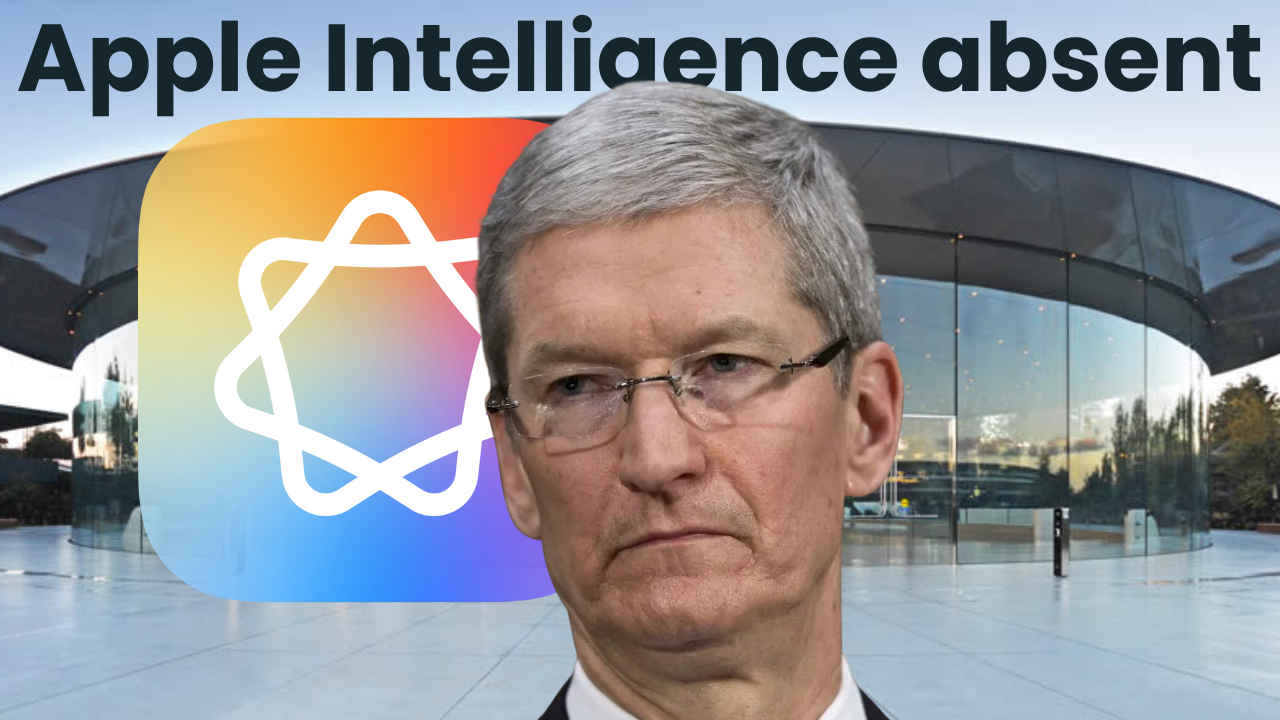

Apple’s annual fall event, dubbed “Awe-Dropping,” promised a spectacle of innovation. The keynote, streamed globally on September 9, 2025, delivered a redesigned iPhone lineup, refreshed Apple Watches, and AirPods with cutting-edge health features. Yet, for the second year running, Apple Intelligence – the company’s much-hyped AI suite – played an unexpectedly muted role, leaving analysts, fans, and investors questioning whether Apple is falling behind in the AI race.
 Survey
A pattern of absence
When Apple Intelligence debuted at WWDC 2024, it was positioned as a game-changer: a privacy-focused, on-device AI system to rival Google’s Gemini and OpenAI’s ChatGPT. Features like Genmoji, enhanced photo editing, and a smarter Siri promised to weave AI seamlessly into the Apple ecosystem. Yet, at last year’s iPhone 16 event, Apple Intelligence was barely mentioned, with CEO Tim Cook and his team focusing on hardware over software. Fans hoped 2025 would be different, a chance for Apple to flex its AI muscles. Instead, the “Awe-Dropping” event doubled down on hardware, with Apple Intelligence relegated to brief mentions and vague promises of “coming soon.”
Also read: WWDC 2025: Apple highlights AI in apps, but not in Siri
The iPhone 17 series, including the ultra-thin iPhone Air, stole the show with stunning designs and A19 chips optimized for AI. The Apple Watch Series 11 and Ultra 3 touted AI-driven health features like Workout Buddy, while AirPods Pro 3 impressed with real-time translation. But these AI capabilities felt like appetizers, not the main course. Where was the transformative Siri overhaul promised in 2024? Where were the bold new Apple Intelligence features to compete with rivals’ generative AI strides? The event’s focus on hardware left many feeling that Apple Intelligence, once heralded as the future, was stuck in neutral.
Hardware takes center stage
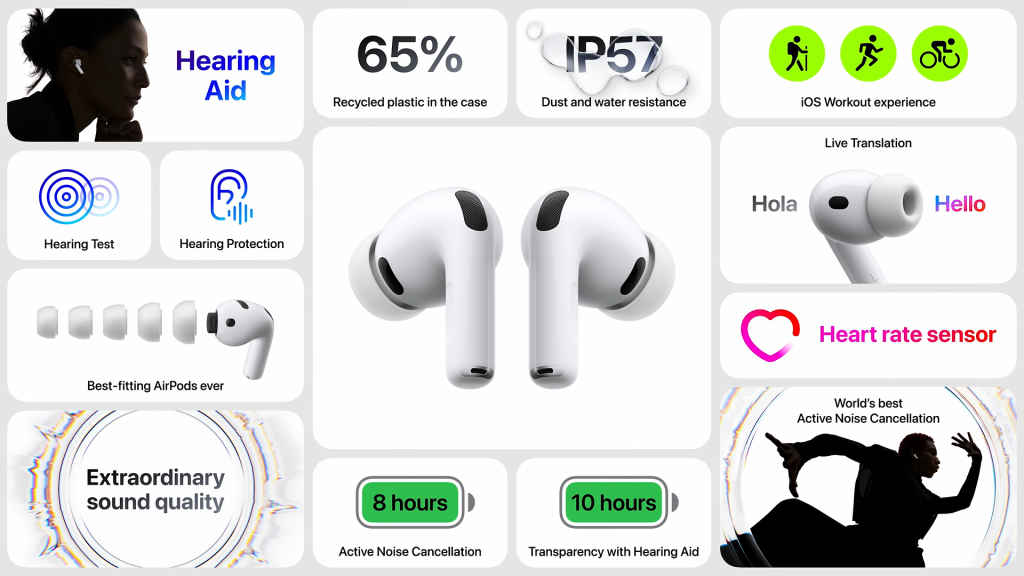
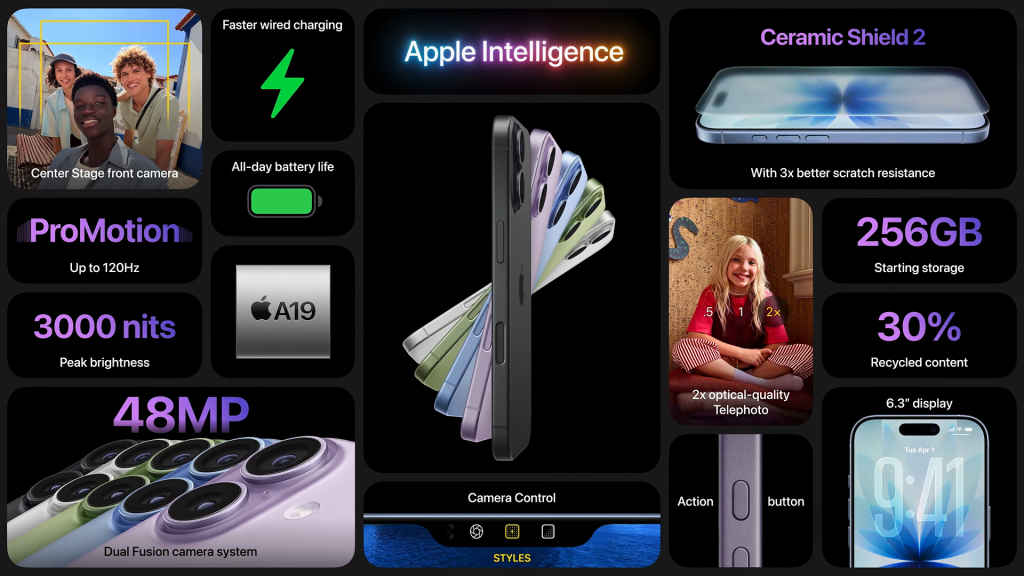
Apple’s keynote leaned heavily into its new devices, each billed as “AI-ready” thanks to powerful Neural Engines in the A19 and A19 Pro chips. The iPhone 17 lineup, starting at $799, boasts features like 48MP Fusion cameras and up to 39 hours of battery life, with the iPhone Air’s 5.6mm frame wowing attendees. The Apple Watch lineup introduced advanced health sensors, and AirPods Pro 3 delivered best-in-class noise cancellation alongside AI-powered live translation. These devices are undeniably impressive, but their AI mentions were fleeting, often limited to phrases like “powered by Apple Intelligence” without deep demos.
For example, the AirPods’ translation feature, which lets users hear real-time phrase-by-phrase translations during conversations, was a highlight. It uses on-device AI (with cloud fallback via OpenAI’s ChatGPT) and pairs with iPhone for text output, a practical nod to global connectivity. Similarly, the iPhone 17 Pro’s cameras leverage computational photography for “eight pro lenses in your pocket,” and the Watch’s Workout Buddy suggests personalized routines. But these features, while slick, were presented as incremental upgrades, not revolutionary AI breakthroughs. The event’s loudest cheers came for the iPhone Air’s design, not its AI smarts.
Why the silence on AI?
So why is Apple Intelligence taking a backseat? Industry watchers point to several factors. First, Apple’s cautious approach to AI prioritizes on-device processing for privacy, a hallmark of its brand. This requires robust hardware, explaining the focus on A19 chips and vapor chamber cooling for sustained AI tasks. But software development, particularly for complex features like a revamped Siri, may be lagging.
Also read: Apple Watch Series 11, Ultra 3, SE 3 and AirPods 3 launched: Check price and features
Second, Apple may be avoiding the AI hype cycle. Rivals like Google have faced scrutiny for overpromising on AI, and Apple’s restrained approach could be a strategic move to underpromise and overdeliver. The company has a history of refining features before major rollouts – think of the Vision Pro’s gradual software updates. But this strategy risks perceptions that Apple is trailing in a field it once aimed to lead. At WWDC 2024, Apple partnered with OpenAI to bolster cloud-based AI, yet the 2025 event barely mentioned this collaboration.
Finally, regulatory pressures may be at play. With global scrutiny on AI ethics and data privacy, Apple’s focus on hardware sidesteps thorny questions about AI’s societal impact. By emphasizing tangible products over abstract software promises, Apple keeps the narrative in its comfort zone: premium devices that sell.
What’s next for Apple Intelligence?
The company’s emphasis on “AI-ready” hardware suggests a long game: build the foundation now, dazzle with software later. But in a world where AI is the tech industry’s hottest buzzword, Apple’s restraint risks ceding ground to flashier competitors.
Apple’s “Awe-Dropping” event lived up to its name with hardware – the iPhone Air’s sleek design and AirPods’ health-tracking prowess prove Apple’s industrial design remains peerless. Yet, Apple Intelligence, the supposed heart of its ecosystem, felt like a guest star rather than the lead. For a company that thrives on “one more thing” moments, the absence of a bold AI showcase left fans wanting. As Apple navigates the AI era, it must balance its privacy-first ethos with the need to deliver software that matches its hardware’s shine. For now, Apple Intelligence remains the star that didn’t quite take the stage – again.
Also read: Apple iPhone Air vs Samsung Galaxy S25 Edge: Price, camera, display, design and more


