
Apple iPhone Air vs Samsung Galaxy S25 Edge: Price, camera, display, design and more
 Follow Us
Apple and Samsung push smartphone limits with ultra-thin designs and powerful features
iPhone Air emphasizes simplicity and brightness, while Galaxy S25 Edge offers versatility
Battery size, camera systems, and design choices define 2025’s premium smartphone rivalry
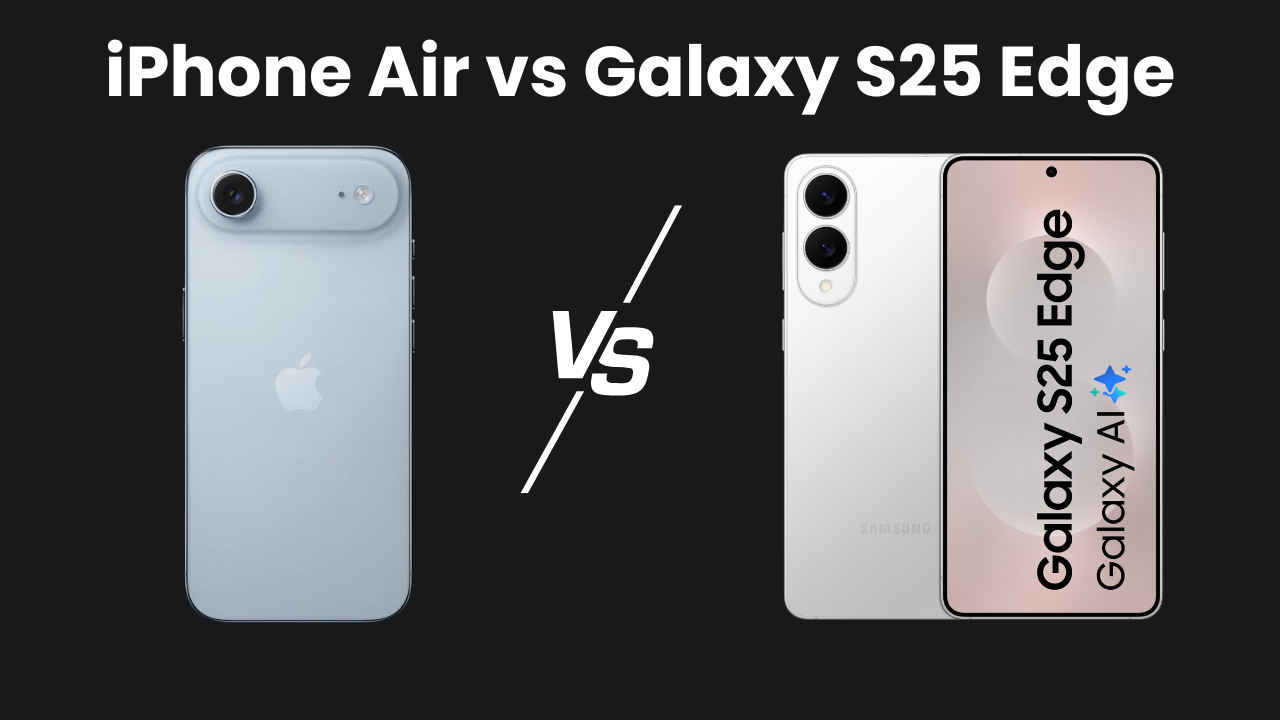

In 2025, the smartphone race is razor-thin – literally. With Apple’s recent “Awe Dropping” event unveiling the new iPhone Air, a direct competitor has emerged for Samsung’s already-launched Galaxy S25 Edge. Both devices are a testament to pushing design boundaries, but they take different approaches to balancing form and function. But which phone strikes the perfect balance of style, performance, and value? Let’s break down how these two sleek titans stack up against each other.
 Survey
Also read: Apple iPhone Air, the slimmest iPhone yet, launched in India: Price and specs inside
iPhone Air vs Galaxy S25 Edge: Design and build
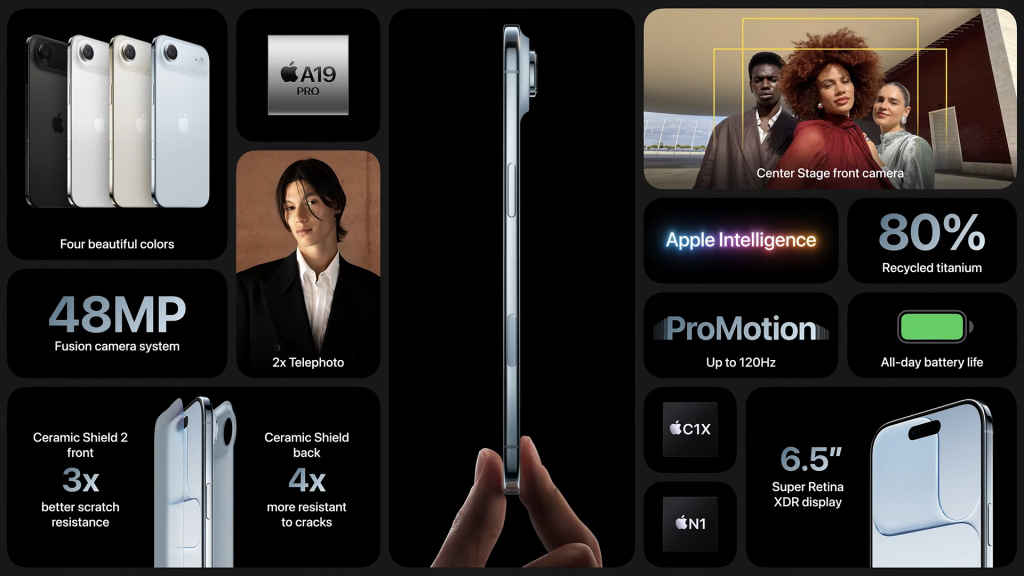
The most striking feature of both the iPhone Air and the Galaxy S25 Edge is their unprecedented thinness. Apple has claimed the title of the thinnest iPhone ever, with the Air measuring between 5.5mm and 5.6mm. This is even more svelte than Samsung’s Galaxy S25 Edge, which measures 5.8mm. The iPhone Air’s design is a minimalist aesthetic with clean lines and a polished titanium frame, while the S25 Edge also features a titanium frame and a flat-edge design. Both phones utilize a durable glass on the front and back; the iPhone Air uses Ceramic Shield 2, while the S25 Edge features Gorilla Glass Ceramic 2.
In the hand, the iPhone Air is noticeably lighter, at approximately 145 grams, compared to the S25 Edge’s 163 grams. This makes the iPhone Air one of the lightest iPhones to date and gives it a clear advantage in terms of portability.
iPhone Air vs Galaxy S25 Edge: Display
Both devices boast stunning OLED displays, but they have key differences. The iPhone Air features a 6.6-inch OLED screen with a resolution of 2,740 x 1,260 pixels. The Galaxy S25 Edge, meanwhile, has a slightly larger 6.7-inch AMOLED 2X display with a higher QHD+ resolution (1440 x 3120).
Also read: Apple iPhone 17 Pro Max, iPhone 17 Pro and iPhone 17 launched in India: Check price, specs here
Where the iPhone Air stands out is in its brightness. It can reach a staggering 3,000 nits of peak outdoor brightness, the highest ever on an iPhone, making it a clear winner for outdoor visibility. Both phones offer a 120Hz refresh rate for smooth scrolling and animations. The iPhone Air’s front camera and sensor cutout is a smaller hole-and-pill shape, a new design made possible by Apple’s “metalens” technology.
iPhone Air vs Galaxy S25 Edge: Camera
This is where the two phones diverge significantly. The iPhone Air adopts a minimalist camera philosophy, featuring a single 48-megapixel rear camera in a unique “plateau” bump. This design choice prioritizes simplicity for users who value a streamlined experience over a multi-lens setup.
In contrast, the Galaxy S25 Edge opts for a dual-camera system, including a massive 200-megapixel primary sensor and a 12-megapixel ultra-wide lens. While it lacks a dedicated telephoto lens, it offers more camera versatility than the single-lens iPhone Air. The S25 Edge also features a 12MP front-facing camera, while the iPhone Air sports an 18-megapixel front shooter with Apple’s “Center Stage” AI features.
iPhone Air vs Galaxy S25 Edge: Performance
The iPhone Air is powered by either the A19 or A19 Pro chip, providing enhanced performance and efficiency. It ships with 12GB of RAM and Apple’s new in-house C1 modem for better connectivity.
The Samsung Galaxy S25 Edge is equipped with the Snapdragon 8 Elite Mobile Platform, paired with 12GB of RAM, making it a strong performer in the Android market. Both devices are at the top of their game in terms of processing power, but Apple’s A19 chip is widely considered to have an edge in raw performance.
iPhone Air vs Galaxy S25 Edge: Battery and pricing
The pursuit of an ultra-thin design comes with a trade-off in battery life. The iPhone Air has a smaller 2,800mAh battery, which may lead to a slight drop in longevity compared to other models. The Galaxy S25 Edge, despite its slimness, manages to pack a larger 3,900mAh battery, giving it a clear advantage in this category.
In terms of pricing, the iPhone Air is positioned above the standard iPhone 17, starting at $999 or ₹1,19,900. This is a direct shot at the Galaxy S25 Edge, which is also priced competitively — starting at ₹1,09,999 — within the premium smartphone segment. The iPhone Air’s pricing and features place it in direct competition with Samsung’s ultra-thin flagship, offering consumers a choice between two equally compelling, albeit different, experiences.
Also read: Apple Event 2025: Awe-Dropping or not, here is what I want


