

No PhD required: Mythos 5 ran an entire drug design workflow by itself
 Follow Us

Drug discovery happens to be among the most expensive and laborious processes across scientific disciplines. Developing just one compound can take years of research work in labs with costs reaching several hundred million dollars. Anthropic is confident that the advent of AI can shift this paradigm and even has data to prove their point.
 Survey
Also read: Claude Fable 5 is less risky Mythos model: Safest AI right now?
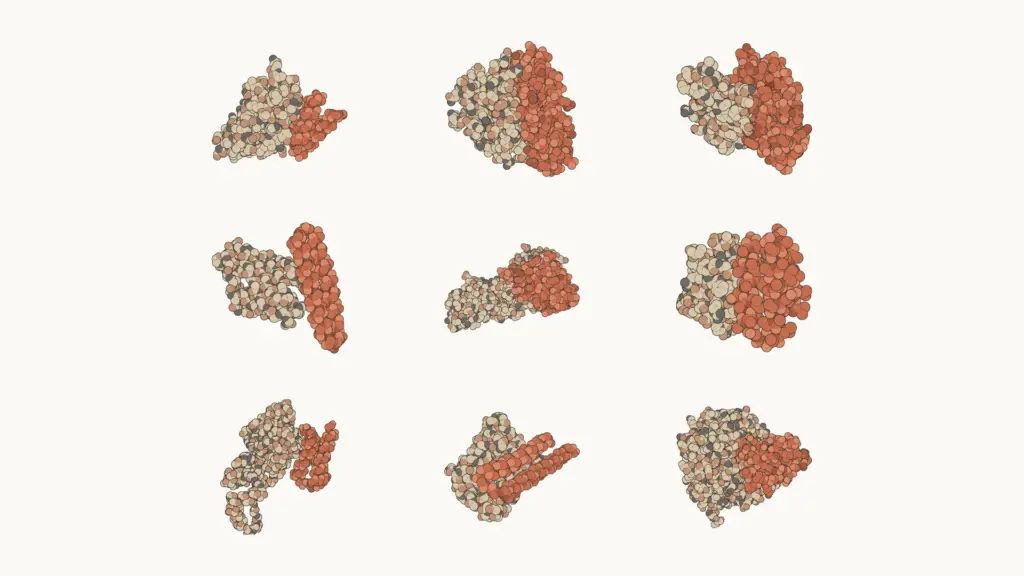
Alongside the release of Fable 5 and Mythos 5 systems today, Anthropic shared new information that proved that its most powerful AI system can perform the entire process of drug design all by itself. Accessing protein design and bioinformatics tools, Mythos 5 was able to perform every task that a scientist would undertake: select binding sites, choose proper software and recover from possible errors.
These findings are impressive. For 14 different protein targets covering immune checkpoint targets, neurodegeneration, muscle diseases, and growth factor signaling pathways, Anthropic found nine potential strong candidates for drug design. Nine out of these have been actively researched by Anthropic, while the company also mentions that their protein-designing experts have experienced roughly ten times faster work within some parts of drug design when using Mythos 5.
Also read: Apple is running its most powerful AI on Google’s cloud: Here’s what that means for your privacy
What makes these findings particularly important is the background knowledge behind the experiment. Anthropic did not train Mythos 5 to execute these tasks, as the model was able to make its way through the biology due to the skills learned elsewhere. In another experiment performed with Mythos 5, the model also outperformed purpose-built protein language models for predicting the impact of genetic modifications in viral shell assembly in the case of adeno-associated viruses, often used in gene therapy delivery methods. The ability of the model to assist research in the lab can thus also be abused, which is the reason why it is still restricted.
For the pharmaceutical industry in India, the implications cannot be overstated. India itself produces the largest number of generic medicines in the world. The advent of AI-powered drug design has the potential to shorten and reduce the costs associated with the development of new drugs rather than replicating older ones. But can the Indian pharma companies catch up on their western and Chinese competitors when it comes to accessing the Mythos platform?
Currently, the access to Mythos version 5 is limited by Project Glasswing and restricted biology trusted access. A larger deployment is on its way but when is anyone’s guess.
Also read: Gaming handhelds can also become mini PCs: Bruce Lin talks about MSI Claw 8 and more


