AI only works if everybody can use it: Mistral AI CEO at India AI Impact Summit
 Follow Us
AI must empower nations, not concentrate global power
Open source and decentralisation key to AI sovereignty
India positioned to lead next global AI wave
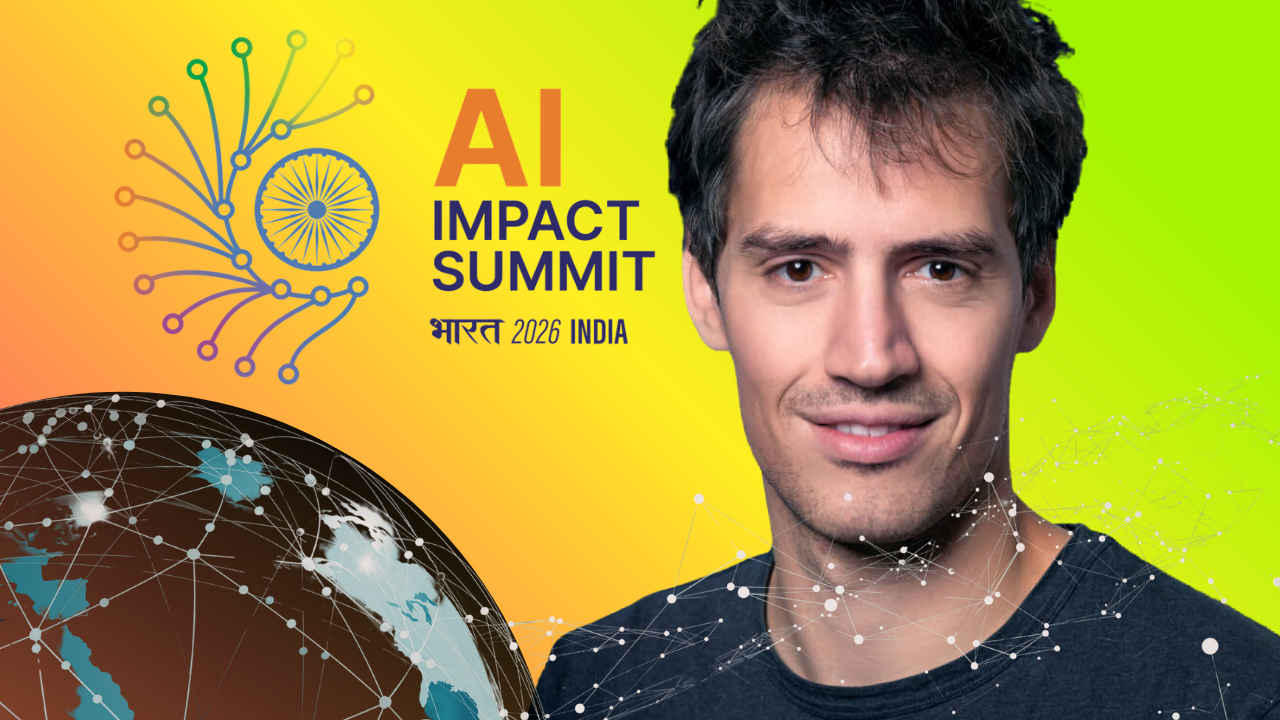

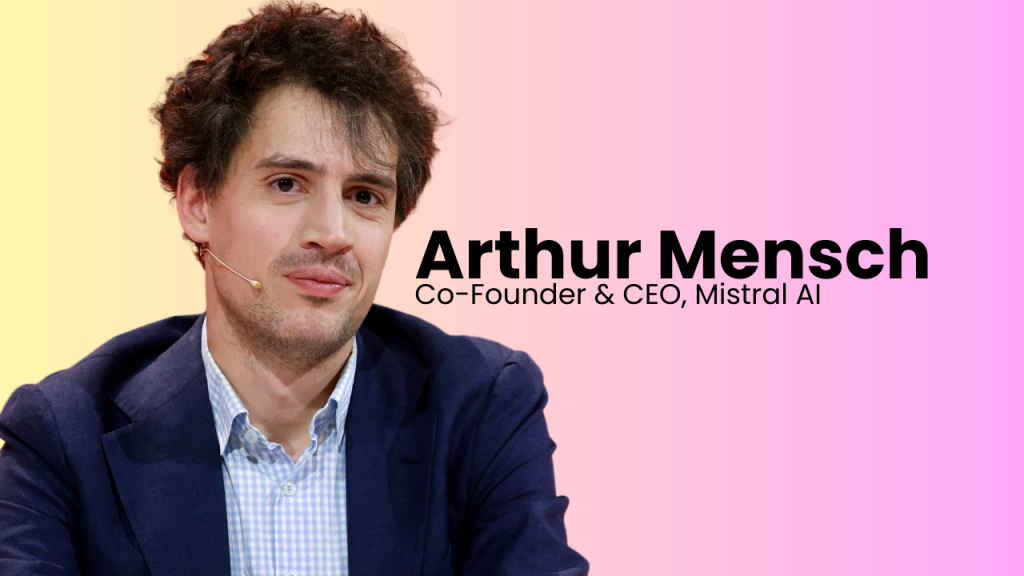
There are keynotes, and then there are manifestos. On stage at the India AI Impact Summit 2026 in New Delhi – with Prime Minister Narendra Modi and French President Emmanuel Macron in the audience – Arthur Mensch, Co-founder and CEO of Mistral AI, wasn’t selling an AI model. He was asking us to imagine the possibilities.
 Survey
“AI should be a tool for empowerment and not for dominance,” Mensch said, among other things. It would be a big bullet point of his sermon on what AI should and shouldn’t be going ahead.
While much of the global AI conversation has fixated on bigger models, faster GPUs and trillion-parameter arms races, Mensch zoomed out to a more uncomfortable question. Who controls this infrastructure that is about to run the global economy?
“While others may speak about scale or speed, I want to talk about something a bit more fundamental, which is who is in control of AI deployment, who benefits from it, and how we can ensure that it serves the many and not the few,” the Mistral AI CEO and co-founder said, plain and simply.
Control, for Mensch, isn’t philosophical. It’s an essential operational guideline for AI.
Also read: Mistral AI study highlights the environmental impact of LLMs
“In a world where multiple digits of the GDP are going to be produced by AI in the coming two years, we need to ensure that everyone that runs AI workloads actually has access to the turn on and turn off button. And that they are not dependent on external providers that can actually turn off that button.”
In saying all of this, Mensch isn’t subtle in his warning. His antidote comes in the form of decentralisation of AI. And the first brick, he said plainly, is open source.
“We need to decentralize AI deployments, and the first brick for that is open source.” For Mensch, open source isn’t an ideological rebellion, but it’s a historical and essential precedent.
“Open source isn’t a radical idea, it is what has actually allowed us to build the cloud infrastructure that today we rely on. It is what has allowed us to build a secure internet.”
He framed today’s AI landscape as a fork in the road – one path where models are shared foundations for ecosystems, and another where “a few large private corporations use them as leverage against their users.” His implication was clear, that excessive concentration of AI power isn’t just unhealthy, but destabilising.
Also read: Anthropic CEO Dario Amodei: India may benefit most from AI revolution
“I would say that we are at a risk today in the world. We’re facing too much concentration of power in artificial intelligence.”
And then he pivoted to India. If AI is about sovereignty, scale and multilingual reach, India isn’t a footnote anymore but a key frontline. “Mistral models have always focused on making rare languages more usable, and it’s especially the case for Indian languages, which has this 22 languages diversity.”
Multilingual AI, he argued, is not a feature anymore – but an essential necessity. AI only works “if everybody can access it, and if everybody understands how to use it,” said Mensch.
More provocatively, he suggested India has structural leverage in this new AI economy. “India is a leader in betting on self-reliance, which is absolutely critical for a country this size. By controlling its own AI, India can become a global hub for innovation and it can also lead the way for the entire world,” Mensch outlined.
Finally, Mensch closed his speech with urgency, not just optimism for optimism’s sake. “The future is ours to shape. The AI revolution is here.” The real question is this: who owns the switch?
Also read: Sam Altman at India AI Impact Summit 2026: 5 key highlights


