
LPG crisis in India: Will it affect mobile network and internet? Here’s what you should know
 Follow Us
LPG shortage in India is affecting telecom tower manufacturing.
Mobile and internet services are stable for now.
Experts warn tower rollout may slow if the issue continues.
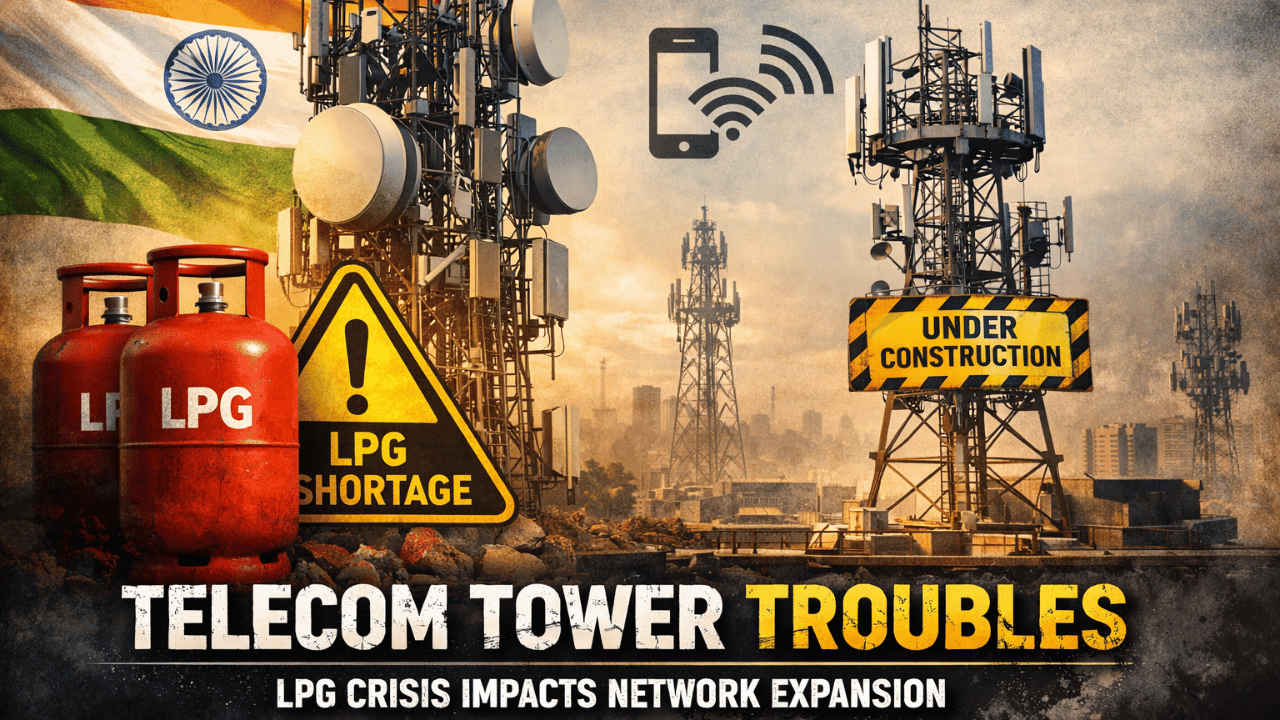

The ongoing global conflicts have begun to show their impact on the Indian subcontinent as well. According to the reports, India’s telecom infrastructure sector is facing an unexpected challenge as a shortage of LPG begins to affect the manufacturing of mobile towers. While the mobile network and internet services across the country remain stable for now, industry experts say the issue could significantly slow down the rollout of new towers. These disruptions were seen after the government directed the LPG providers to prioritise the domestic households over the commercial use. Industry bodies have raised concerns that if the restrictions remain for a prolonged period, then it could create delays in network expansion and affect connectivity growth, especially in regions where telecom infrastructure is still developing and demand for better mobile coverage continues to rise.
 Survey
Concerns over disruptions in mobile and internet services have been raised, and they are related to a reported shortage of LPG, which is related to the manufacturing of telecom towers. The problem was identified after it was confirmed by the Digital Infrastructure Providers Association that LPG supplies for telecom tower manufacturing companies were stopped from March 5.
Also read: India may roll out export-linked incentives for smartphone makers like Apple, Samsung
The problem was identified as a result of a directive from the Ministry of Petroleum and Natural Gas, which instructed oil marketing companies to distribute the LPG that they procure to domestic consumers only. The aim of the directive was to ensure that domestic consumers are provided with LPG.
However, the directive has created problems for some industries that use LPG as a major source of energy for production processes. The directive has affected the manufacturing of telecom towers because LPG is used in a process called galvanisation.
How LPG crisis will affect mobile network and internet
The galvanisation process ensures that the towers remain unaffected by rusting or damage. In this process, steel parts are dipped into a container filled with melted zinc at extremely high temperatures. The zinc-coated steel parts ensure that the towers remain strong while enduring harsh weather conditions for a long time. However, to maintain such extremely high temperatures, a constant fuel supply is necessary and the fuel is usually provided by LPG or LNG heaters.
Reports claim that some manufacturing units are currently operating with reduced heat levels in order to keep the zinc in liquid form and avoid damage to their equipment. However, this can only work for a limited time. If the supply disruption continues, factories may be forced to remove molten zinc from galvanisation baths and temporarily shut down their operations. Restarting such plants can take time and may lead to delays in telecom tower production.
DIPA’s stand on the potential telecom issue
DIPA has written to Telecom Secretary Amit Agarwal seeking urgent intervention. The association has requested the Department of Telecommunications to coordinate with the petroleum ministry to restore fuel supply for tower manufacturing units. It has also asked authorities to ensure priority electricity supply for telecom infrastructure as a precaution.


