Meta cuts 600 from Superintelligence Labs, citing agility and efficiency
Latest in big tech layoff waves sweeping across 2025 in the name of AI
Layoffs underscore AI bubble fears as enterprise ROI remains elusive
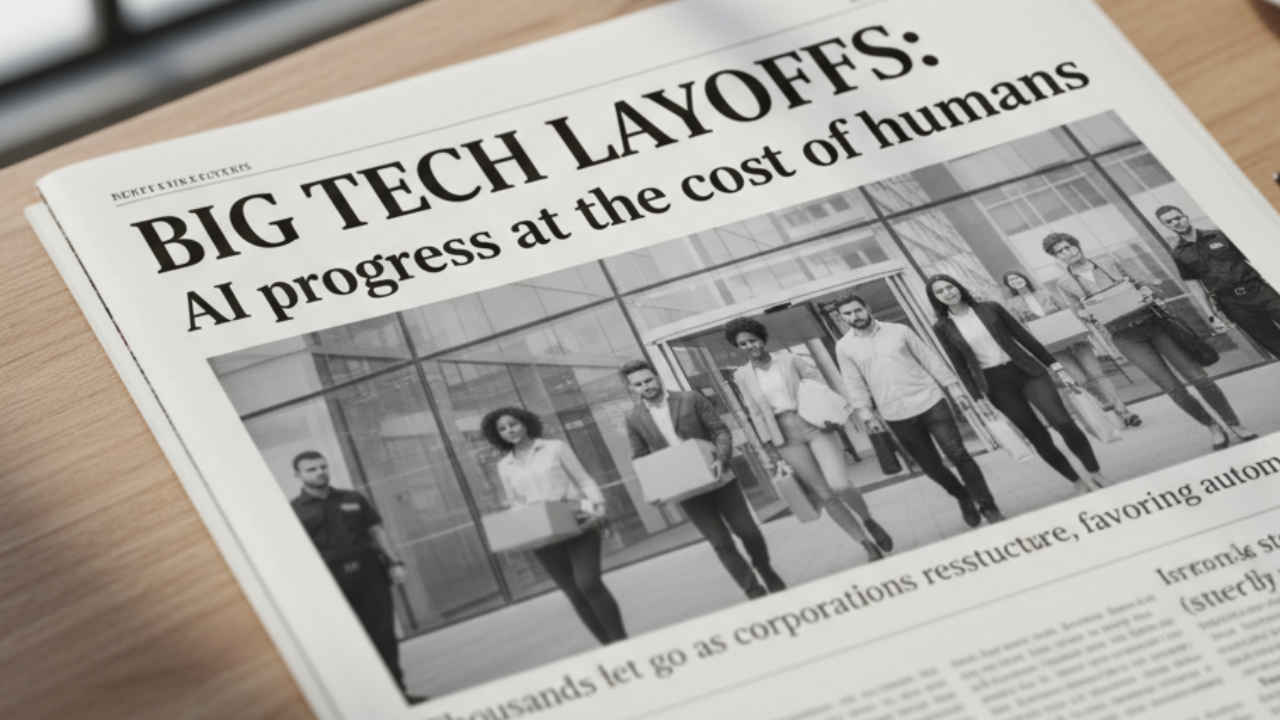
Meta just cut roughly 600 roles from its Superintelligence Labs, hitting infrastructure, FAIR-style research, and product teams. Mark Zuckerberg and new Chief AI Officer Alexandr Wang frame the move as an agility play that concentrates “load-bearing” work in fewer hands. The elite TBD Lab is untouched, select hiring continues, and the company insists this isn’t a retreat from its AI push.
 Survey
But coming only months after billion-dollar buildouts and eye-watering packages of multiple million dollars to poach star researchers, Meta’s moves seem less about AI momentum and more about a leadership bet. Where the name of the game seems to be slim the ranks, protect the chosen few, and hope (with toes and fingers crossed) that the outcomes finally match the spend.


Also read: Meta lays off 600 employees from AI division amid major restructuring under new chief
If you’ve been tracking Meta’s year so far, none of this is shocking anymore. Mark Zuckerberg built a gleaming new narrative around “personal superintelligence,” staffed up aggressively (raiding rivals like Apple along the way), and poured billions into the data-center build out that modern AI runs on and unapologetically demands. Now, with the spotlight too bright and the roadmap too long, the company seems to have decided that the problem is not its bet on AI but it’s the bureaucracy that’s slowing its march to the AI promised land.

Just so you would know, this isn’t happening in a vacuum, and Meta isn’t the only big tech company that’s laying off people this year. In fact, 2025 has been a layoff drumline wherever you look – Intel carving out roughly a quarter of its workforce, Microsoft trimming in waves, Google whittling teams and shedding AI raters, Amazon shrinking HR while talking up AI efficiency. They’re all indirectly saying that more AI begins with less people, in a way. But is it all paying off the way they thought it would?
Let’s talk about outcomes, because that’s what matters, and so far it isn’t looking good for big tech. MIT’s “GenAI Divide” work from August 2025 is the cold, hard, reality check on all the GenAI exuberance that’s infected corporate tech roadmaps everywhere. About 95% of enterprise GenAI pilots produced no measurable return. Read that again – No measurable return. That’s billions sunk into proofs-of-concept that proved mostly the concept of budget burn. If you’re wondering why “efficiency” is the word of the year in memos, it’s because the scoreboard isn’t matching all the AI hype reels.
So what’s Meta really optimizing for with a 600-person correction? On paper, it’s all about speed and density. Fewer layers, faster calls, more “load-bearing” to empower few to take big swings. The flip side of that is, of course, fewer voices in the room leading to a narrower cone of vision, and even steeper odds on a protected lab shipping an AI miracle at industrial scale.
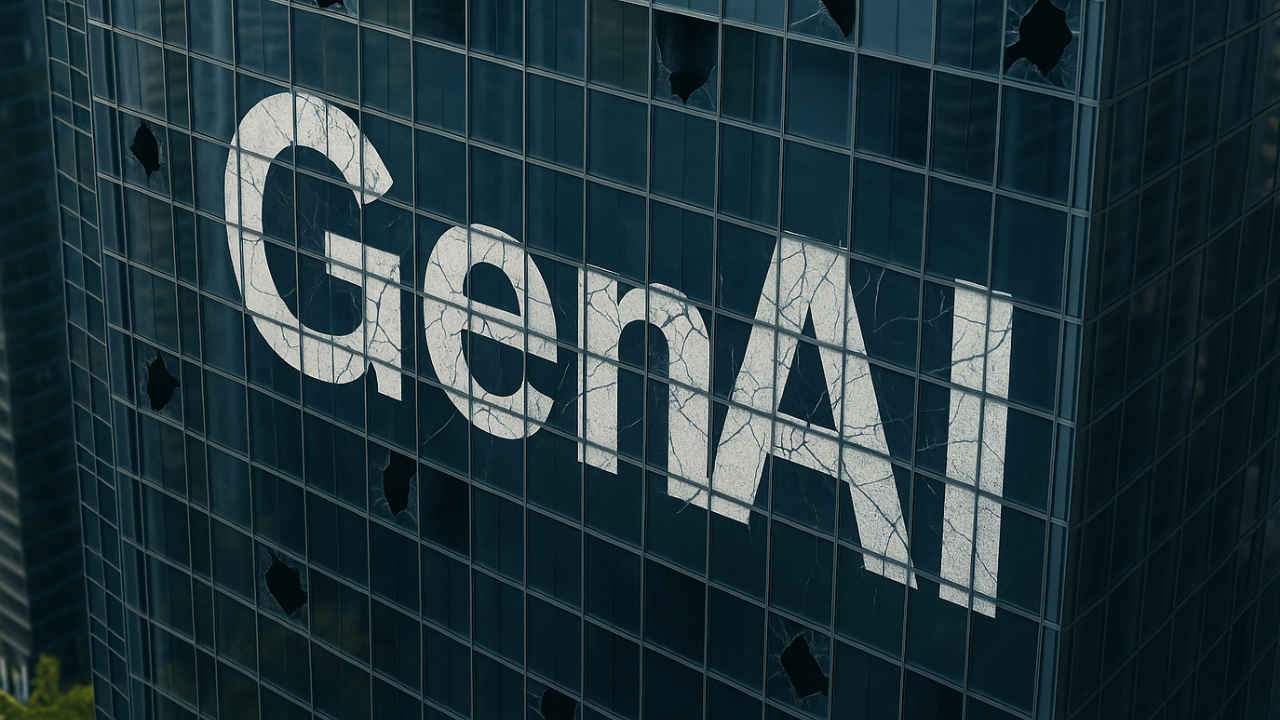
Here’s the uncomfortable question we should be asking across big tech, not just at Meta. About whether these restructurings are actually about making AI work, or about making room for AI to look like it’s working? The worrying trend in the post-ChatGPT world is that the tech industry now treats AI not as a tool but as a doctrine. If results lag the doctrine, the org must be wrong, never the premise. That’s how you end up with $100-million hiring packages in Q2 and “agility” layoffs in Q4.
Meanwhile, the competitive theatre rolls on. Intel’s slash-and-pivot is framed as the courage to chase AI chips. Google trims contractors who literally make AI products less bad. Amazon pares humans in the one department supposed to humanize work. And yes, Meta vows the investment firehose is still on full blast, even as it narrows the nozzle.
Also read: Mark Zuckerberg’s Meta AI dream team is breaking, with exits from Superintelligence Lab
If you strip away the slogans, Meta’s move reads like a hedge against two risks at once. Risk one: the models don’t progress fast enough to justify the compute and the cost of talent. Risk two: the models do progress, but open-sourced rivals plus commodity infra make differentiation brutally hard. In either case, the board will prefer a smaller, sharper spear. The trouble is, spears don’t build themselves, they’re forged by teams that need time, safety, and, yes, some “non-load-bearing” colleagues who make the load bearable.
In the end, today’s AI layoffs aren’t proof that superintelligence is closer. If anything, they’re proof that the path to it is longer, pricier, and lonelier than all the keynotes suggested. If 95% of GenAI pilots are still failing to move the needle, then swapping humans for hope isn’t transformation – it’s simple cosmetics. Until then, the people asked to carry more weight will keep looking up at the promise of superintelligence and wondering why gravity still feels this heavy.
Also read: Big tech layoffs amidst top AI talent hunt: Tech job market gone crazy?
 Follow Us
Jayesh Shinde
Executive Editor at Digit. Technology journalist since Jan 2008, with stints at Indiatimes.com and PCWorld.in. Enthusiastic dad, reluctant traveler, weekend gamer, LOTR nerd, pseudo bon vivant. View Full Profile


