

India Semiconductor Mission: Advanced manufacturing units to be built in 3 states
 Follow Us
India approves four semiconductor plants in Odisha, Punjab, Andhra Pradesh under ₹4,594 crore mission
PM Modi announces major chip manufacturing push with advanced units in three Indian states
India Semiconductor Mission to create 2,000 jobs with new fabs and packaging facilities
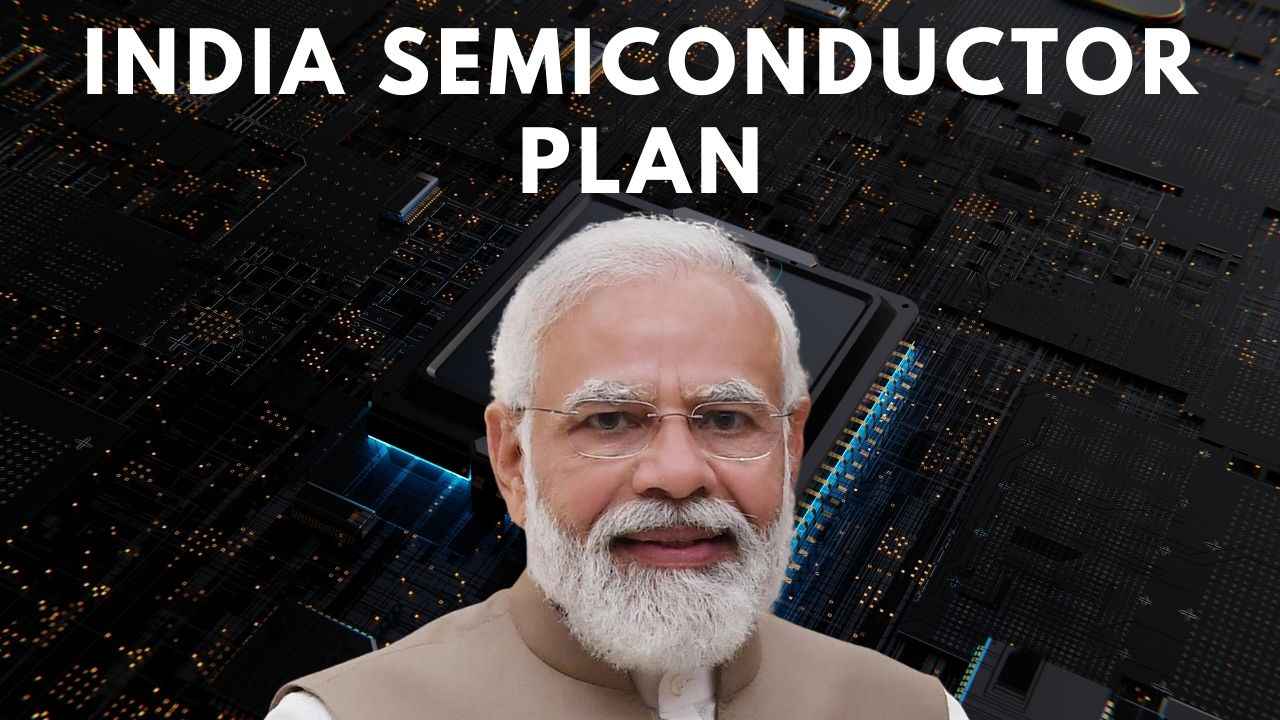

Prime Minister Narendra Modi, in a post on X (formerly Twitter), announced the approval of four new semiconductor manufacturing and packaging units across Odisha, Punjab, and Andhra Pradesh under the India Semiconductor Mission (ISM). Calling it a “giant leap” towards making India a global electronics hub, the PM highlighted how these projects will boost high-tech manufacturing, create jobs, and strengthen the nation’s self-reliance in critical technologies.
 Survey
The combined investment of ₹4,594 crore marks the next phase of the ISM, a flagship initiative to develop a complete semiconductor ecosystem, from design and fabrication to advanced packaging, inside the country.
Also read: Early reactions to ChatGPT-5 are all bad: What went wrong for OpenAI?
Semiconductors are the building blocks of modern technology, powering everything from mobile phones and electric vehicles to defence radar and data centres. Recent global chip shortages have underscored the risks of relying heavily on imports. For India, domestic chip manufacturing is not only an economic opportunity but also a strategic necessity, ensuring resilience in critical supply chains.
Odisha – Two pioneering facilities
Bhubaneswar’s Info Valley will host two first-of-their-kind projects:
- SiCSem Pvt. Ltd., in partnership with the UK’s Clas-SiC Wafer Fab Ltd, will establish India’s first commercial compound semiconductor fabrication plant. It will produce Silicon Carbide (SiC) devices, essential for electric vehicles, renewable energy inverters, aerospace, and power electronics, with a capacity of 60,000 wafers and 96 million packaged units annually.
- 3D Glass Solutions Inc. will set up an advanced packaging facility focusing on 3D Heterogeneous Integration (3DHI) and embedded glass substrates. With an annual output of 69,600 glass substrates and over 50 million assembled units, the unit will serve markets in photonics, AI, automotive electronics, and high-performance computing.
Andhra Pradesh – Expanding OSAT capacity
Advanced System in Package (ASIP) Technologies, in collaboration with South Korea’s APACT Co. Ltd., will build a state-of-the-art semiconductor packaging plant. It aims to produce 96 million units per year, targeting applications in mobile devices, set-top boxes, automotive systems, and consumer electronics, significantly strengthening India’s OSAT (Outsourced Semiconductor Assembly and Test) capabilities.
Punjab – Scaling high-power device manufacturing
In Mohali, Continental Device India Pvt. Ltd. (CDIL) will upgrade and expand its facility to manufacture high-power devices like MOSFETs, IGBTs, Schottky diodes, and transistors. The plant will have the capacity to produce 158.38 million units annually, serving EVs, telecom networks, renewable energy grids, and industrial machinery.
Part of a bigger push
Together, these four units are expected to create over 2,000 direct skilled jobs and thousands more in supporting industries, introduce India’s first commercial compound semiconductor fab, a niche but high-value segment in global markets, enhance domestic advanced packaging capability, reducing dependence on overseas OSAT providers, and distribute manufacturing capabilities across regions, driving local industrial growth.
These projects follow major ISM approvals in March 2024, when three large semiconductor units were cleared in Gujarat and Assam with investments totalling ₹1.25 lakh crore. Other upcoming facilities include the HCL-Foxconn OSAT unit in Uttar Pradesh, expected by 2027.
Also read: Sam Altman rips into Elon Musk, accuses him of manipulating X for self-benefit

The ISM’s scope extends beyond manufacturing, it is also nurturing India’s chip design ecosystem. Currently, 278 academic institutions and 72 start-ups are receiving support, with over 60,000 students trained in semiconductor design tools.
Execution will be critical. Semiconductor plants require precision manufacturing, stable supply chains, specialist talent, and multi-year investment commitments. India will need to secure raw materials, maintain policy stability, and remain competitive in a global market where giants like Taiwan, South Korea, and the US dominate.
The road to self-reliance
With each new facility, India moves closer to a full-stack semiconductor ecosystem, encompassing design, fabrication, and packaging. If these projects stay on schedule and deliver to spec, the country could shift from being a top chip importer to a credible global supplier.
As PM Modi’s tweet underscored, this is not just an industrial policy milestone but a statement of intent: India is gearing up to lead in the “techade” with resilience, innovation, and advanced manufacturing at its core.
Also read: Mumbai teen’s KnowUrMedicine website helps those who can’t read: Here’s how it works


