
BITKRAFT’s Jens Hilgers on how the best apps won’t feel like AI at all
 Follow Us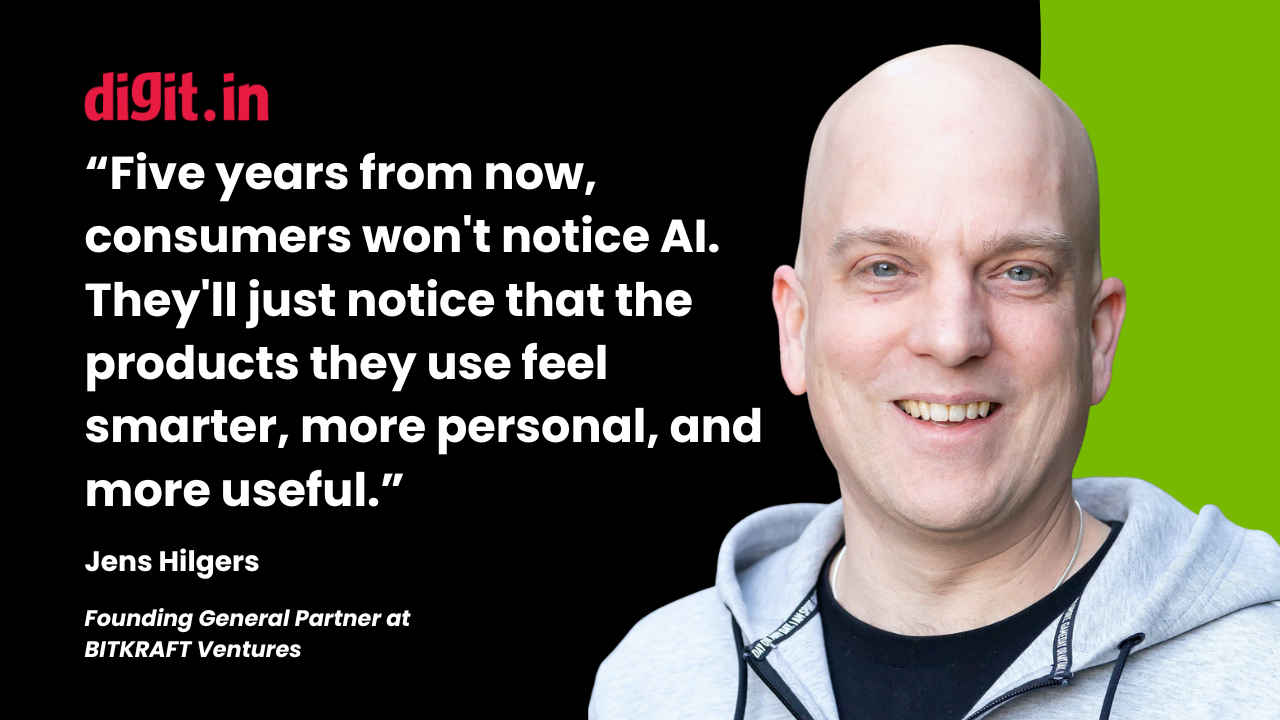

There is this idea you have of an AI app that when you open it announces itself the same way every time. It has a chatbot interface, a prompt bar sitting where a product used to be. Jens Hilgers, Founding General Partner at BITKRAFT Ventures, is of the opinion that building that version is not the smartest thing to do.
 Survey
“They lead with AI as the feature instead of using it as invisible infrastructure,” he says. “Nobody opens Duolingo because it uses AI. They open it because they are having fun learning a language.”
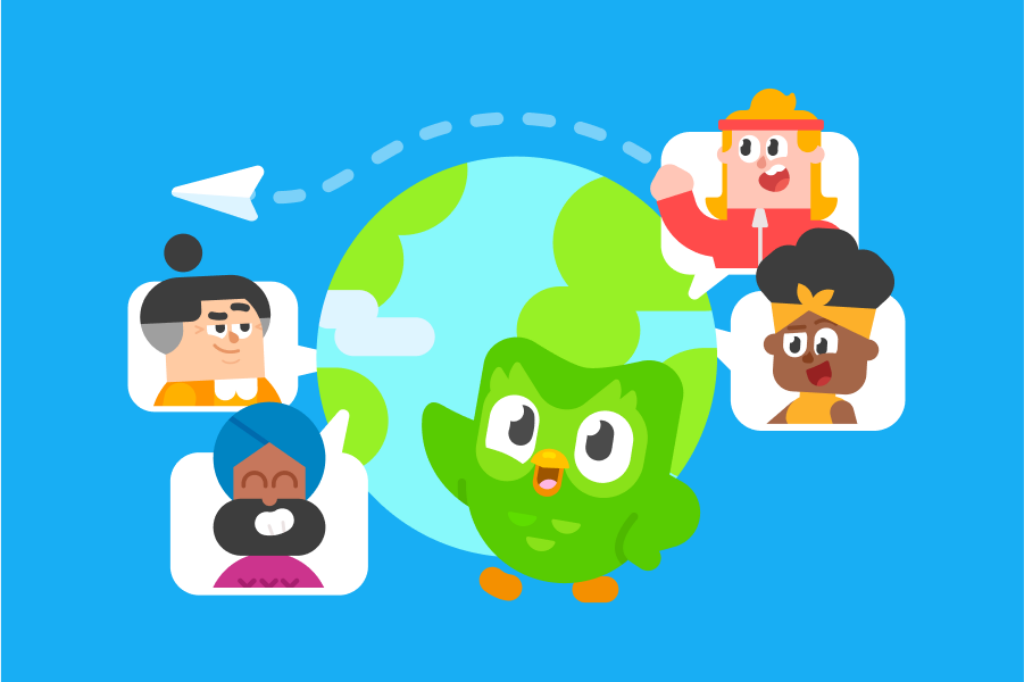
AI is what makes that fun possible at scale. You get difficulty levels that adapt to you, personalised content and even real-time feedback but you never need to know that the AI is there as long as you get the fun. The experience is the product and the AI is just the engine.
This is the central premise BITKRAFT explores in its latest report on the convergence of game design and AI in consumer apps. Game design mechanics – like daily streaks, rank progressions, and rewards – have been moving into non-gaming products for years. What AI does is make those mechanics viable at scale, personalised to the individual rather than averaged across users.
Also read: Claude Opus 4.6 to 4.7: What Anthropic actually changed
Somewhere in the race to ship, a lot of founders have confused the infrastructure for the product. “AI alone produces chatbots and wrappers that get commoditized as soon as the next model drops,” he says. “Game design alone, without AI-powered personalisation, gets abandoned because it cannot adapt to individual users at scale. The real opportunity is in combining them.”
The same logic applies to how he thinks about engagement design more broadly. The ethics question that is a part of every AI conversation, where does effective design end and manipulation begin, gets a blunter answer than you might expect from an investor whose portfolio depends on high retention.
“The line is simpler than people make it: is the user’s life better because of the engagement, or just their screen time higher?” He doesn’t seem particularly troubled by the industry’s trajectory on this. Consumers, he argues, are more discerning than they were back when the smartphone was new. The manipulative apps get uninstalled while the ones aligned with real outcomes stay.
What he finds more underappreciated is what AI actually unlocks when it’s embedded well rather than marketed loudly. His answer to where consumer AI is headed is very straightforward, “Nobody asks whether an app uses a database. That is where AI is headed.” The current consumer skepticism is about the AI label not the function that it has. TikTok is one of the most sophisticated behavioural AI systems ever built yet nobody calls it an AI app.
The day AI becomes infrastructure, the same way databases had done, the entire conversation about AI apps as a category eventually collapses. What remains is just apps, as it was before AI became the buzzword inserted in everything. Some good ones and some bad ones. The ones that feel smart without advertising why, will be the ones that last.


