Global AI demand triggers severe memory chip shortage impacting all devices
PC and smartphone prices set to rise amid shrinking chip supply
Tech giants warn of escalating costs as AI shifts chip production
The artificial intelligence revolution was promised to change everything, from how we work to how we discover new medicines. But as 2025 draws to a close, the “AI boom” is delivering an unexpected and costly side effect: a global squeeze on the memory chips that power everyday electronics.
 Survey
Major technology titans including Dell Technologies, HP Inc., and Lenovo are now sounding the alarm. They warn that the insatiable appetite for AI infrastructure is cannibalizing the world’s supply of memory chips, setting the stage for a pricing surge that will hit everything from budget laptops to high-end smartphones.


Also read: Nvidia vs Google: Why Jensen Huang is attacking ‘inflexible’ TPUs
A capacity crunch
At the heart of the crisis is a zero-sum game of manufacturing capacity.
To train massive AI models like GPT-5 or Claude, data centers require specialized, high-performance silicon, specifically, High Bandwidth Memory (HBM). These chips are complex, profitable, and difficult to manufacture.
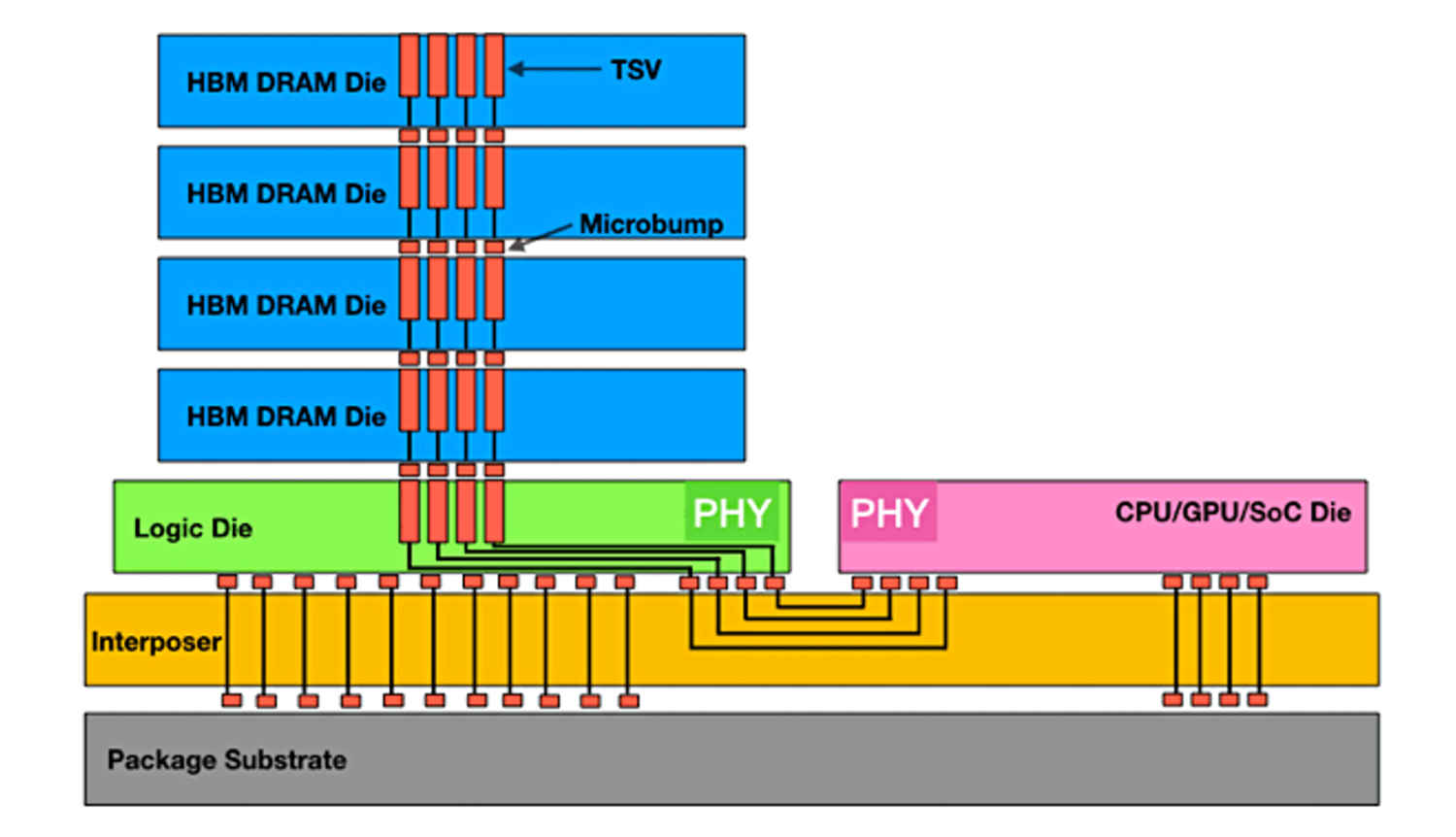
This seems to be a “displacement effect.” Every wafer Samsung, SK Hynix, or Micron dedicates to HBM for an AI server is effectively removed from the production line for standard DRAM used in laptops or NAND flash for phones.
Because chipmakers cannot build new billion-dollar fabrication plants overnight, they are shifting existing production lines to chase the high-margin AI gold rush. The result? A dwindling supply of the “boring” but essential chips that the rest of the tech world runs on.
The view from the C-Suite
The warnings from industry leaders have shifted from cautious to urgent in recent weeks.
Dell Technologies Chief Operating Officer Jeff Clarke didn’t mince words on a recent call with analysts. He noted that the company has “never seen costs move at the rate” they are currently rising. For Dell, the cost basis is climbing across the board, not just for high-end server chips, but for the standard components that go into office PCs.
Also read: Five big upgrades in Claude Opus 4.5 you should know about
HP Inc. is bracing for a similar impact. CEO Enrique Lores has flagged the second half of 2026 as a particularly challenging period, indicating that the company may have no choice but to raise prices. The company is currently scrambling to secure more suppliers to mitigate the blow.
Meanwhile, Lenovo is taking defensive action. The world’s largest PC maker has begun stockpiling inventory, reportedly holding 50% more chips than usual to insulate itself, and its customers, from the coming shock.
Consumers face a costly ripple effect
For the average consumer, this supply chain drama will likely manifest in a simple, painful way: sticker shock.
Analysts at Counterpoint Research forecast that memory module prices could jump by as much as 50% through the first half of 2026. Since memory accounts for a significant chunk of a device’s bill of materials – roughly 15% to 18% of a typical PC’s cost – retail prices are poised to climb.
The impact won’t be limited to computers. Smartphone manufacturers like Xiaomi have also warned of rising component costs. If you were planning to upgrade your tech in 2026, you might find that the same specs cost significantly more than they did two years ago.
This memory squeeze highlights a growing fracture in the tech ecosystem. As the industry pivots aggressively toward an AI-centric future, the “legacy” devices that consumers rely on are being squeezed to the margins.
For now, the message from the tech giants is clear: the AI future is expensive, and we are all about to help pay for it.
Also read: Indian AI healthcare revamp: 5 insights from Medi Assist and BCG report
 Follow Us
Vyom Ramani
A journalist with a soft spot for tech, games, and things that go beep. While waiting for a delayed metro or rebooting his brain, you’ll find him solving Rubik’s Cubes, bingeing F1, or hunting for the next great snack. View Full Profile


