Claude Opus 4.5 brings stronger reasoning and better coding performance
New update improves efficiency, stability and workflow integration for creators
Opus 4.5 upgrades boost productivity across writing, research and engineering tasks
Anthropic’s newest flagship model arrives at a moment when users expect more than raw capability from AI. Stability, efficiency and deeper task understanding matter just as much as speed. Claude Opus 4.5 attempts to meet those expectations with a set of upgrades that feel geared toward real workflows rather than eye-catching demos. The result is a model that aims to be a reliable partner for writing, research, coding and complex problem-solving.
 Survey
Also read: Indian AI healthcare revamp: 5 insights from Medi Assist and BCG report


Sharper reasoning for longer, harder tasks
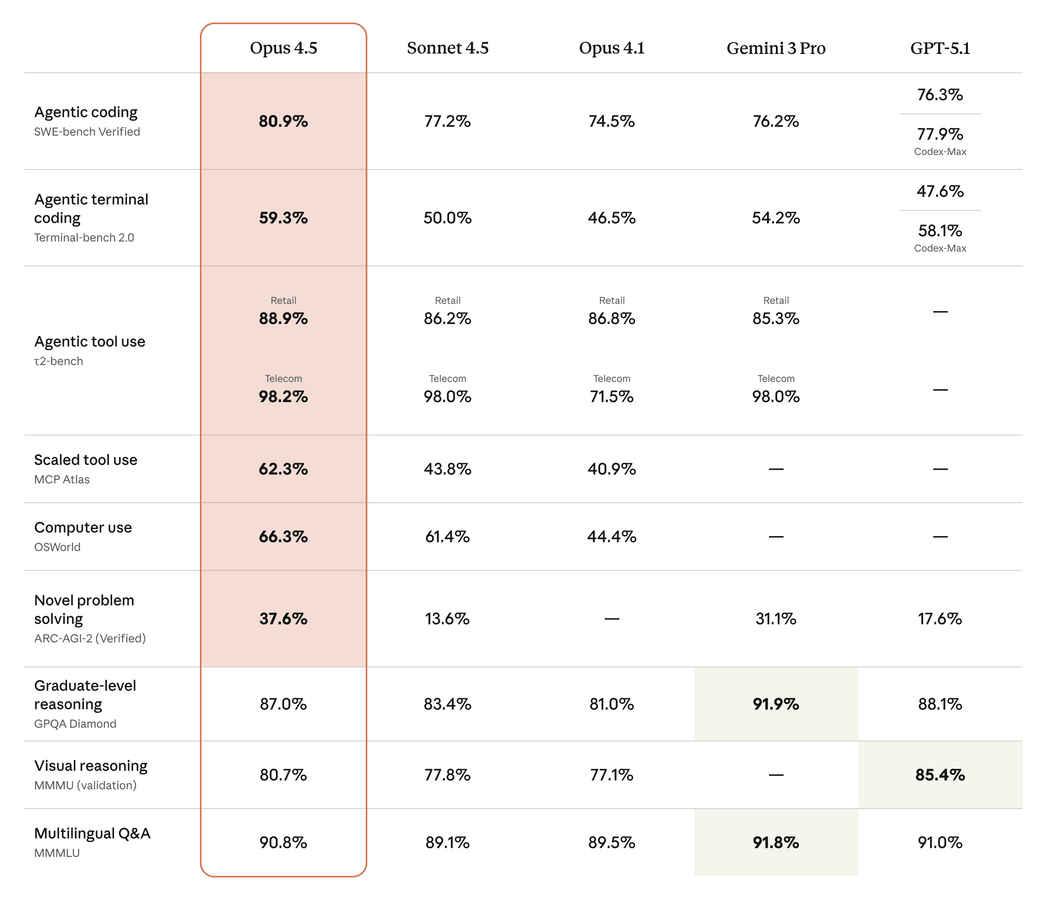
Reasoning has always been a core benchmark for large models, and Opus 4.5 shows a noticeable step up. It handles layered logic, cross-domain comparisons and multi-part instructions with better consistency. Writers building long arguments will find that the model sticks to the brief instead of drifting midway. Researchers can push for more detailed synthesis without losing structure. The upgrade stands out most clearly in tasks that need patience: step-by-step breakdowns, investigative summaries or extended planning documents.
A real boost in coding ability
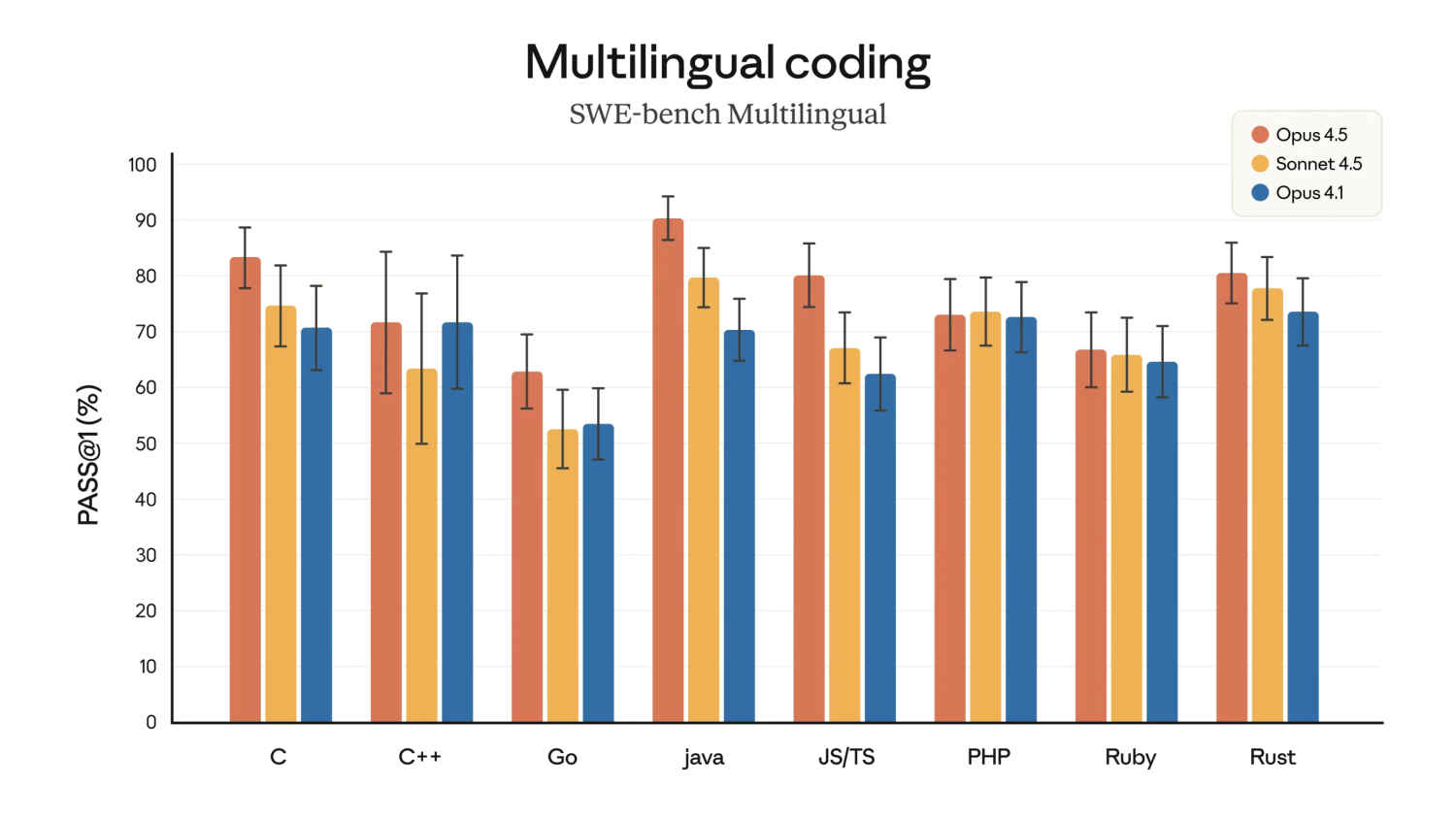
One of the clearest wins in this update comes from stronger engineering performance. Anthropic reports improvements across internal coding benchmarks, and that uplift translates smoothly into real usage. Code suggestions follow conventions more faithfully, functions are cleaner, and the model is noticeably better at spotting logical errors. It also avoids unnecessary explanations, which helps reduce token usage. Whether someone is drafting a utility script, exploring API behaviour or reviewing project code, Opus 4.5 feels more grounded and less prone to runaway improvisation.
Efficiency that actually cuts down costs
Also read: OpenAI vs Google: Why Sam Altman fears ChatGPT might be losing the AI race
The model now produces more accurate and contextual responses while using fewer tokens. This makes a difference for anyone working with longer documents, high-frequency prompts or automated systems. Teams training the model on repetitive tasks will notice better clarity without pushing token budgets too high. For individuals writing long chapters or compiling detailed research notes, the upgrade offers steady savings without compromising depth.
Integration that fits real workflows
While raw model capability matters, how it fits into daily tools is just as important. Opus 4.5 benefits from better integration across spreadsheets, desktop environments and browsers. Data-heavy tasks, such as cleaning financial sheets or interpreting multi-column tables, feel smoother. Research workflows that jump between tabs, documents and visual sources become easier to manage with the model’s improved context handling. These subtle ecosystem tweaks make the model feel more present across the full arc of a task, not just in isolated queries.
Greater stability across long conversations
Consistency has become a major demand from users who work with AI for client content, editorial pieces or sensitive communication. Opus 4.5 strengthens alignment and reduces prompt-injection vulnerabilities. This results in steadier tone, fewer contradictions and less drift across long sessions. For those who rely on the model for extended writing projects, documentation or journalistic analysis, the stability upgrade is essential. It allows conversations to stretch farther without constant course correction.
\Claude Opus 4.5 doesn’t reinvent the model. Instead, it tightens everything around the core experience: the reasoning is more dependable, the code is cleaner, the interactions cost less, the integrations reduce friction and the overall behaviour feels steadier. In a landscape filled with fast model releases, Opus 4.5 stands out for being a grounded, practical upgrade aimed squarely at people who use AI as part of their everyday creative and analytical routine.
Also read: Security to sensing: Three key Snapdragon X2 Elite highlights on Windows business laptops
 Follow Us
Vyom Ramani
A journalist with a soft spot for tech, games, and things that go beep. While waiting for a delayed metro or rebooting his brain, you’ll find him solving Rubik’s Cubes, bingeing F1, or hunting for the next great snack. View Full Profile


