
Apple iPhone Air Review: The future hiding in a 5.6mm frame
 Follow Us

There’s a certain magic when you first pick up the iPhone Air. The kind that made the iPhone 4 feel like jewellery in your hand or the iPhone 5S feel like a perfectly balanced tool. It has all the makings of being the spiritual successor to the original 2008 MacBook Air, the one that Steve Jobs famously pulled out of an envelope. The Air is incredibly thin at 5.6mm, yet doesn’t feel fragile, more like a precision object you almost want to carry without a case just to show off. It makes the iPhone 17 Pro Max (review) feel like a brick and is the kind of design move that feels both brave and slightly reckless.
Because the truth is that no one asked for it. This isn’t Apple doing another “Plus” or “Mini” experiment every few years. The Air feels like something else entirely, a provocation, maybe even a rehearsal. Hold it long enough and you start to see the outlines of what’s coming: a foldable iPhone, a reimagining of what a pocket computer can be, and the Air as its stepping stone. It’s Apple proving that thin doesn’t have to mean weak, even if compromises lurk in the background.
And of course, Apple isn’t alone here. The Galaxy S25 Edge, Samsung’s own experiment in thin-and-light titanium, has already set the bar earlier this year. But where Samsung plays spec-sheet Olympics with its oversized numbers and 200MP sensors, Apple’s Air is less about how much it can do, and more about whether thinness itself can still feel like progress in 2025.
Also Read: iPhone 17 Review: The most sensible iPhone in 2025!
Design: Thin but not fragile
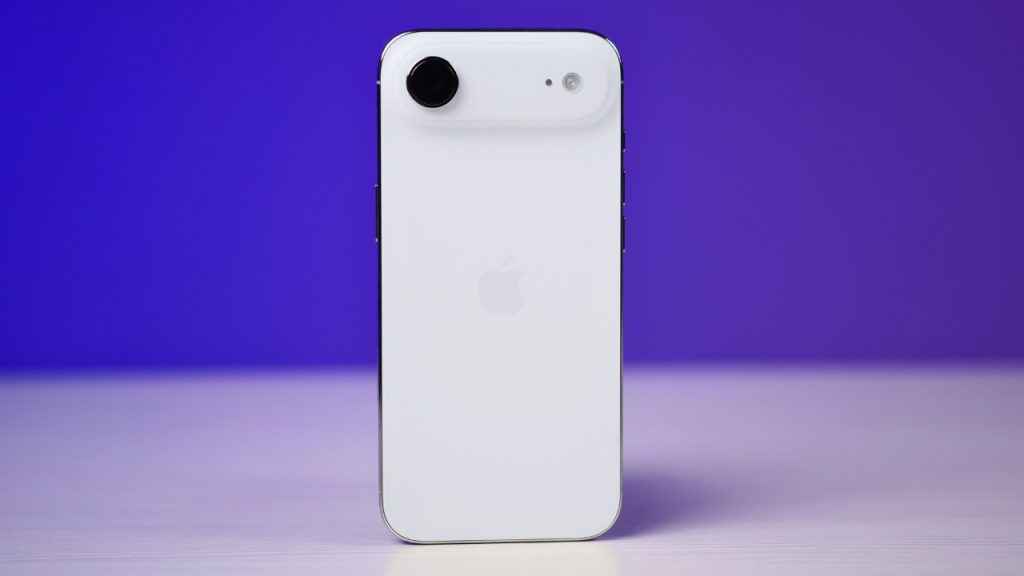
The iPhone Air is the kind of device that makes you double-take when you set it next to a regular iPhone. If you remember how the iPhone 6 bendgate memes haunted Apple for years, you’ll understand why this is almost provocative. At 5.6mm, it doesn’t just shave millimetres; it feels like Apple is chiselling the iPhone down to its essence. The titanium frame gives it rigidity, the new Ceramic Shield 2 glass covers both front and back, and the whole thing weighs just 165g which is lighter than some wallets. You start to realise that every design decision is about space reclamation.
That’s why there’s no SIM tray anymore. eSIM isn’t just a convenience here, it’s imperative to the form factor. Flip the phone over and you’ll notice that the raised plateau that holds the camera system also houses the silicon and even the speaker, like a mini-penthouse for components. It’s clever, but it also means you’re down to a single speaker which is a bummer because you don’t get the same experience as with a stereo setup. The design language screams minimalism, but it’s minimalism with compromises hidden under glass and titanium.
iPhone Air Display: Thin Meets Cinematic
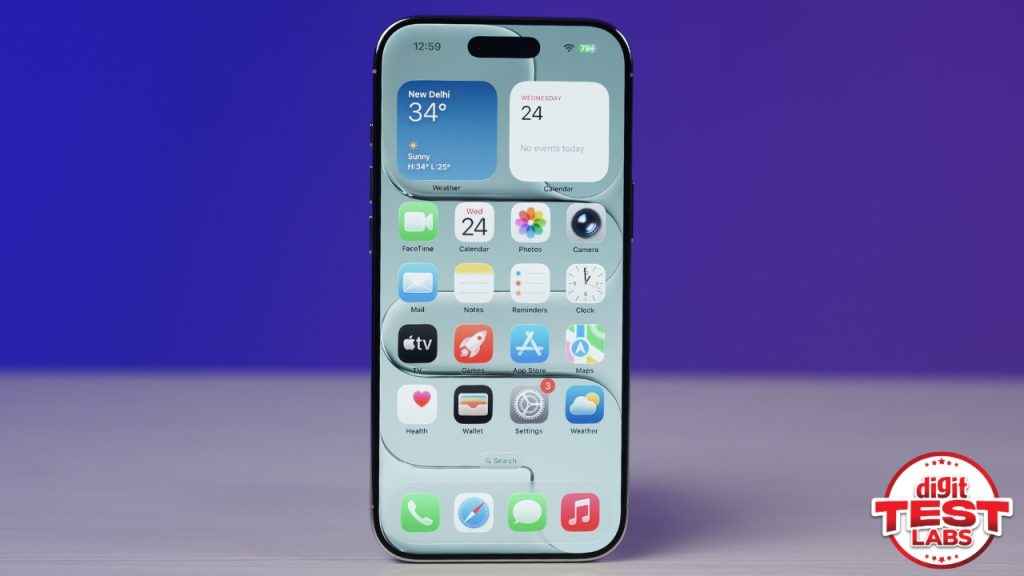
Apple rarely messes with the iPhone display and the Air doesn’t break the tradition. In fact, this is the year we get 120Hz display on all iPhones and not just the Pros. The display on the Air is a 6.5-inch LTPO OLED panel with 120Hz refresh rate, HDR10, Dolby Vision, and 3000 nits claimed peak brightness. It looks stunning whether you’re watching HDR videos, doomscrolling at night, or just staring at app icons like they’re pieces of art.
In our tests, the peak brightness hits 1900 nits which is great for outdoors and when you’re in bed trying to fall asleep it can drop to 1 nit for perfect, inky blacks that swallow the bezels. Add in Dolby Vision and HDR support and you are in for a treat if you watch a lot of content online. There’s a new anti-reflective coating on all iPhones this year which helps cut down some reflectance but it pales in comparison to the Samsung’s anti-reflective solution.
The Galaxy S25 Edge sits in the same thin-and-light club but edges it out with a slightly larger, sharper 6.7-inch AMOLED panel running at 1440p with HDR10+ so it’s got more pixels, but I’ll be honest, most people will see both and just think they’re both gorgeous.
Performance: Smaller Body, Serious Muscle
The iPhone Air might be Apple’s thinnest iPhone, but it doesn’t behave like a lightweight under the hood. It’s powered by the A19 Pro chip with 12GB RAM and NVMe storage which is paired with the N1 wireless chip (Wi-Fi 7 and Bluetooth 6) and the C1X modem for 5G. It posts benchmark scores that are surprisingly close to the rest of the iPhone 17 family. On AnTuTu, the Air records 2,027,514 points, trailing the Pro Max but not by much. Geekbench shows 3,653 in single-core and 9,365 in multi-core, again only a fraction behind the bigger models. This means you are not losing CPU performance for the sake of thinness.
In 3DMark Wildlife Extreme, the Air manages 3,477 compared to the Pro Max’s 5,462, so sustained heavy loads clearly show the limits of a thinner thermal design. But look at shorter burst tests in GFX Bench Metal and the Air actually holds its own: 3,855 frames in Aztec Ruins (high tier) which is slightly ahead of the Pro Max. Apple seems to have tuned this chip to deliver quick spikes of graphical intensity rather than brute-force endurance, which makes sense for a phone with so little internal breathing room.
Benchmarks are one thing, but games are the real test. I ran BGMI, Call of Duty Mobile and Genshin Impact, and all of them held a stable 60 FPS without stutter or overheating. The Air does not push for higher refresh rates in these titles the way some Android flagships try to, but stability matters more than chasing frame counts that dip mid-session. The device never became uncomfortably warm in hand, even during longer play, which is a win for such a slim design.
The iPhone 17 lineup ships with iOS 26 and the most noticeable change is the new Liquid Glass interface, which gives iOS a striking, modern look with plenty of customisation, adding handy tools like Live Translation and smarter Visual Intelligence and continued pushing Apple Intelligence, though it still lags behind Google’s Gemini and Samsung’s Galaxy AI in accuracy. But as much as the AI arms race matters, I’m just glad Apple finally made iOS feel fresh again.
The Air’s strength lies in giving you near-flagship performance without compromise in everyday use, packaged into a form factor that feels almost impossible. It is not built for marathon gaming benchmarks, but it is more than capable of keeping pace with the daily workload and bursts of high-end gaming that most people actually do. It’s Apple silicon doing what Apple silicon does.
Battery & Charging: The elephant in the (thin) room
With just a 3,149 mAh cell inside, the iPhone Air carries the smallest battery of any iPhone 17 model. Apple claims up to 27 hours of video playback, which is five hours more than the iPhone 16 managed.
In my usage, the Air consistently delivered around five hours of screen-on time on average with a normal day of apps, browsing, music and a bit of gaming, enough to get through a workday, but never a phone I’d trust to stretch into the next morning without a charge.
To push Apple’s claim further, I ran a 1080p video loop test, and the Air tapped out at 20 hours and 59 minutes. It’s impressive for its size, but still short of Apple’s advertised figure, proving that efficiency is doing a lot of the heavy lifting here, not sheer battery size.
There’s also the matter of charging. The phone takes about an hour and a half to go from flat to full, which isn’t slow by Apple standards but lags behind what some Android thin-and-light rivals manage. MagSafe is limited to 20W instead of the 25W speeds the rest of the iPhone 17 lineup gets, and wired charging caps out at 50 percent in around half an hour.
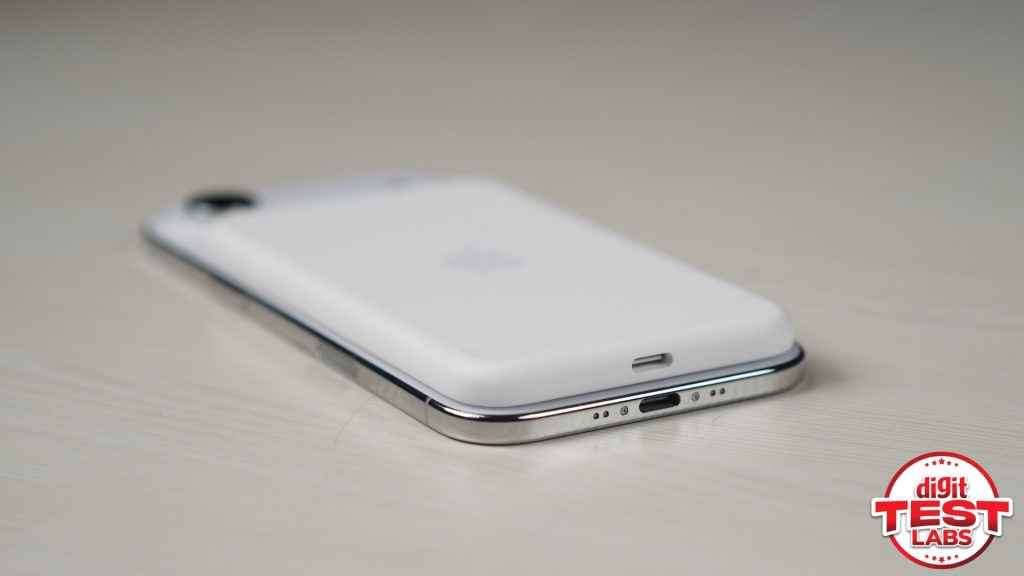
Apple even released a companion MagSafe battery pack for the Air, carrying the exact same 3,149 mAh capacity. On paper, it doubles your usage. In practice, it makes the thinnest iPhone thick again, which feels like missing the point.
Living with the Air, you start to accept the trade-off. You buy it for how impossibly light it feels, not because it will last you 48 hours on a charge or refill in minutes. If you need endurance, the Pro Max is still the marathon runner in Apple’s lineup. The Air is the design statement, thin enough to vanish into your pocket, with battery life just good enough that you won’t resent it.
iPhone Air Cameras: Simple but Surprisingly Capable
Apple took a very un-2025 approach with the iPhone Air’s cameras and for good reason. The Air doesn’t pretend to be a camera-first phone. You get one 48MP main sensor with OIS, plus an 18MP selfie camera with a new square sensor, PDAF and OIS. That’s it.


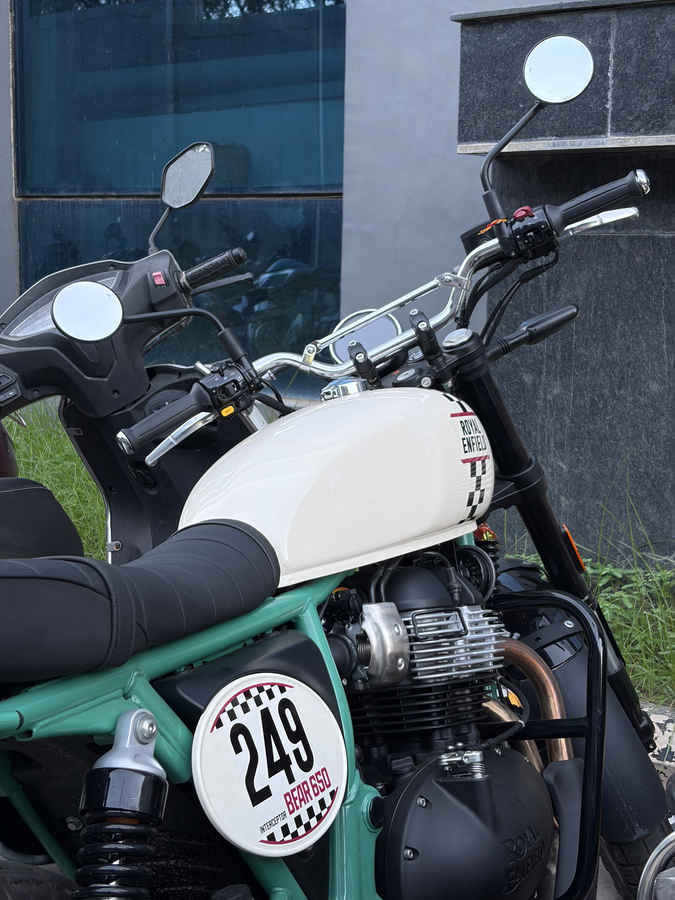

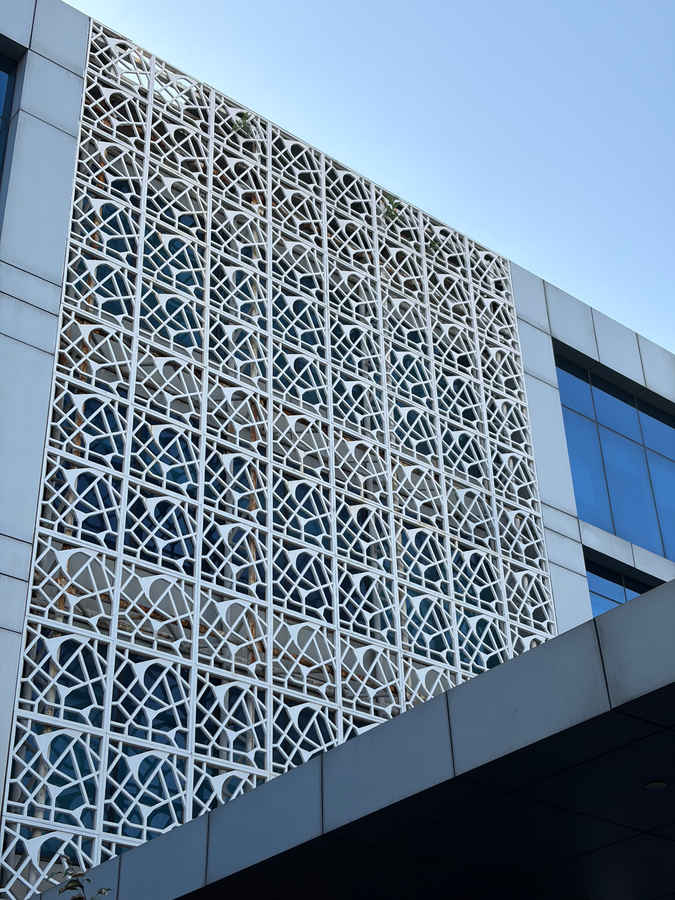

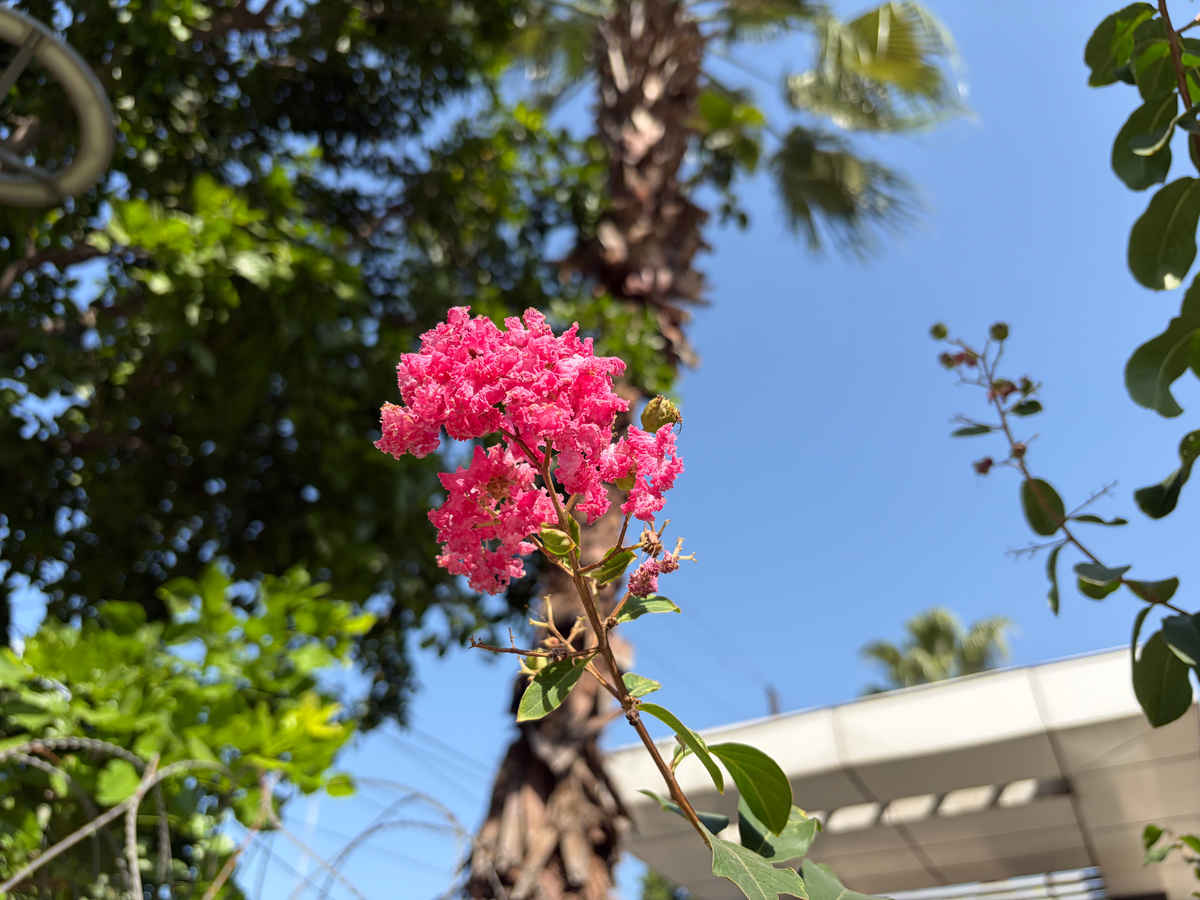


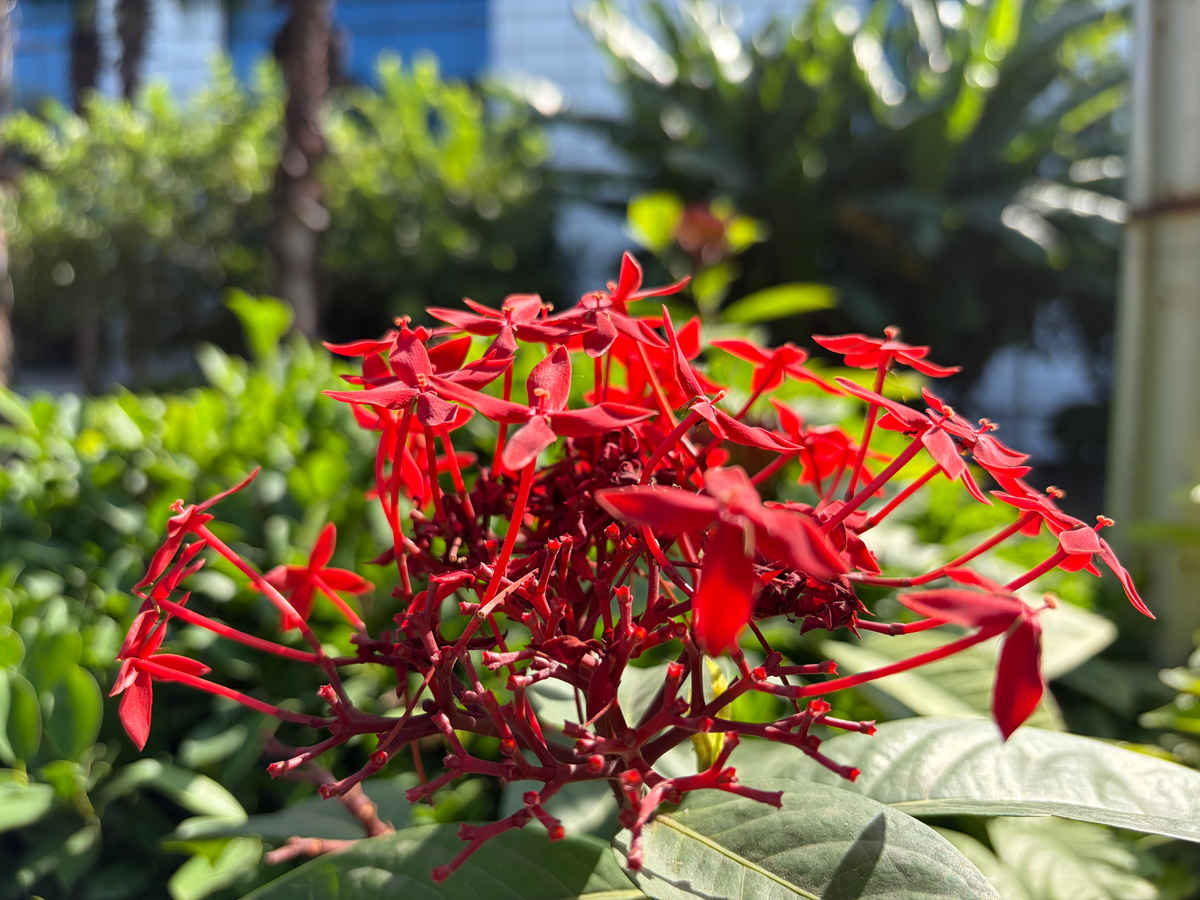
In daylight, the main camera delivers sharp, natural images with excellent colour balance. Reds don’t bleed, greens retain depth, and objects pop against backgrounds without artificial contrast boosts. Detail holds up well even in close focus, where textures like fabric or foliage remain crisp instead of smudging under noise reduction. The sensor-shift stabilisation helps keep shots steady, even when you’re just pointing and firing without much effort.
Dynamic range is handled with restraint. Bright skies stay intact without blowing out, while shaded areas hold enough detail to feel lifelike. Unlike some phones that overcompensate with HDR and flatten everything into sameness, the Air’s processing keeps a natural separation between highlights and shadows. It doesn’t try too hard, and that works in its favour.


Background blur, both natural and portrait-mode assisted, looks clean and convincing. Fine strands of grass or edges of objects are separated with confidence, and the blur roll-off feels smooth rather than cut-out. It’s not perfect in every edge case, but when it nails focus, the results feel polished without looking staged.



The selfie camera, with its wider field of view and stabilised lens, is more versatile than older iPhones. It captures sharp, balanced skin tones and holds exposure even in tricky backlit conditions. Apple’s new sensor and framing features help keep subjects centred without the awkward stretching you sometimes see on ultrawide selfies.
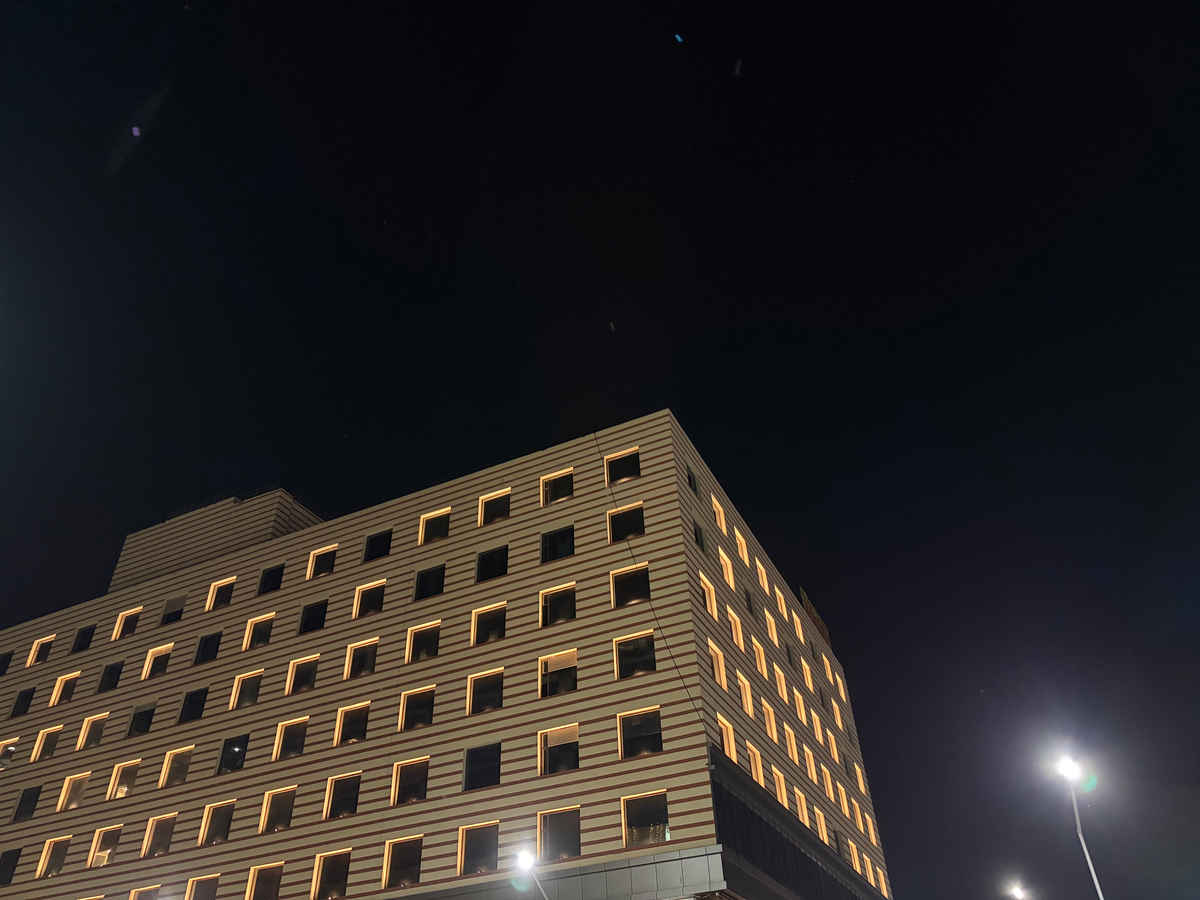
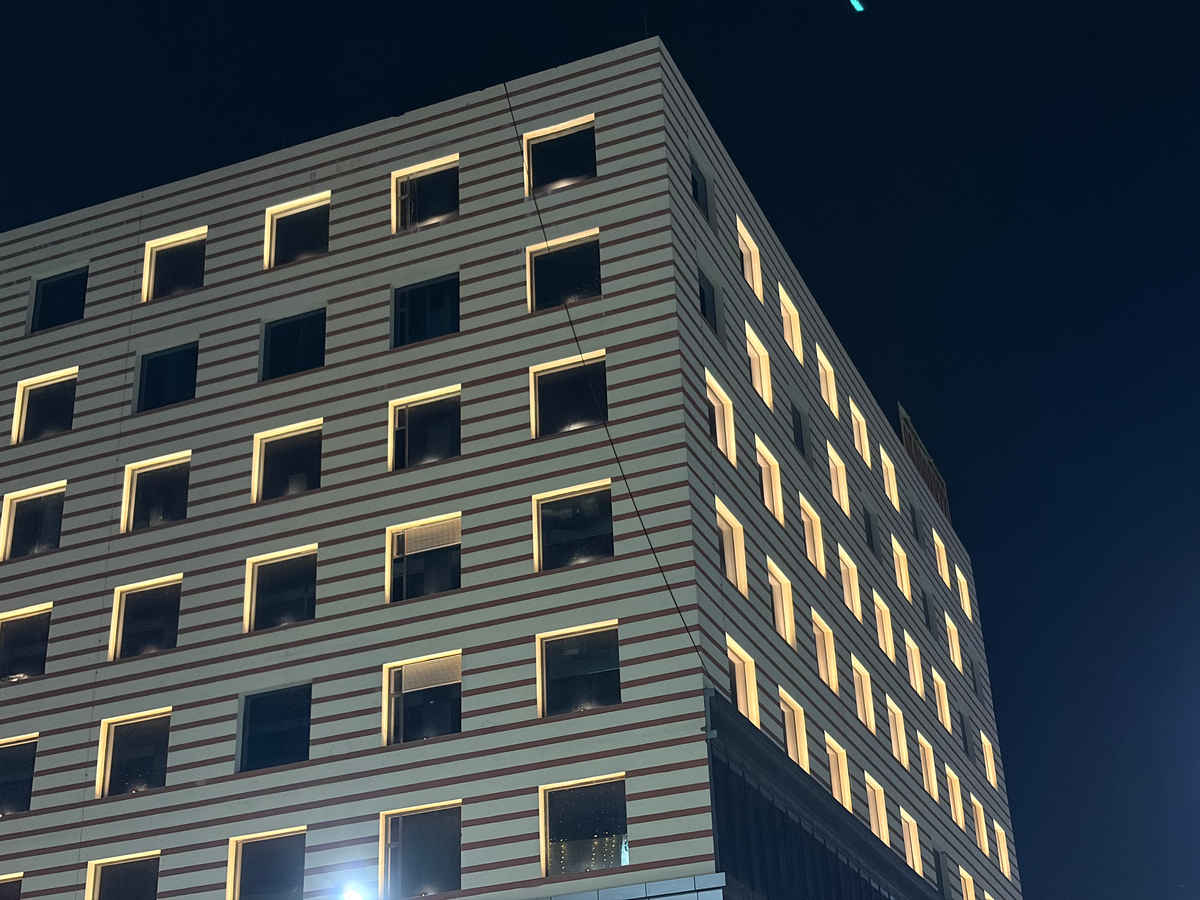
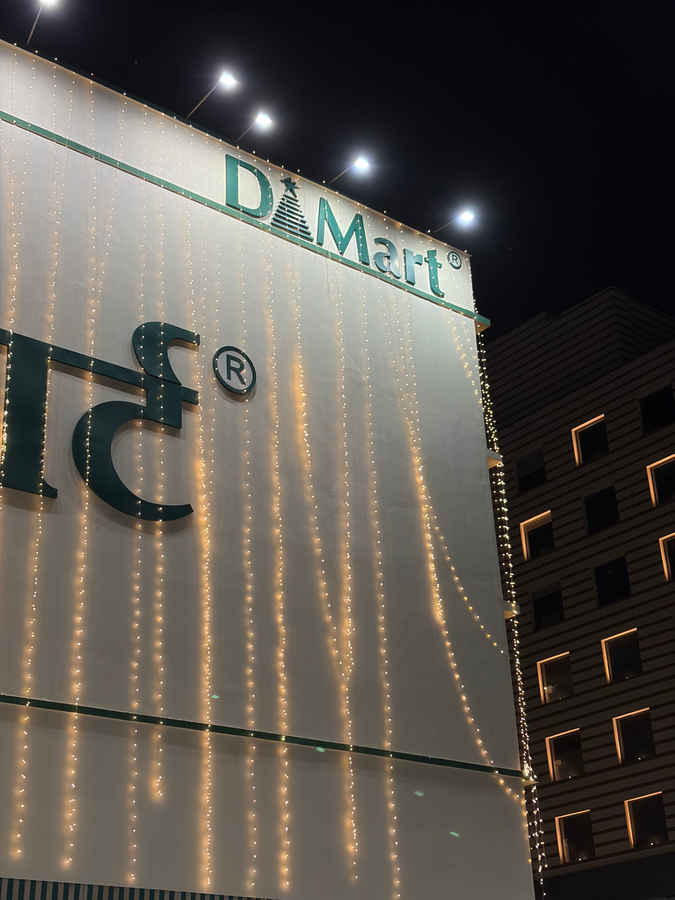

Low light is where you start to see the Air’s limitations. It can brighten a scene and keep colours accurate, but fine details soften and noise control gets more aggressive than on the Pro models. For most casual snaps, it’s still good enough and video is still where Apple leads the conversation. The Air supports 4K at up to 60fps with Dolby Vision HDR, and clips come out sharp, vibrant, and steady.
It’s not a camera system designed to impress on a spec sheet, but it’s one you can trust to deliver clean, balanced results without fuss.
iPhone Air Verdict: Living With the Contradiction
At 1,19,900, the iPhone Air isn’t the phone everyone should buy, but it might be the phone you secretly want. It doesn’t have the stamina of the Pro Max, the camera versatility of the Pro, or even the charging speeds of some Androids that cost less. What it does have is a sense of wonder. It’s like carrying around a piece of the future before everyone else catches up.
Living with the Air means accepting trade-offs. But none of that kills the magic of a phone that feels impossibly thin, light, and still powerful enough for everything most people actually do day to day.
If you’re the kind of person who once fell in love with the iPhone 4 just because it felt like an artefact from another world, the iPhone Air is your nostalgia and your future rolled into one razor-thin slab. It’s not the smartest choice, but sometimes, the emotional pull of an object outweighs the rational checklist. And if you’ve been waiting for Apple to make you feel that again, the Air is exactly that moment.
Apple iPhone Air Key Specs, Price and Launch Date
| Release Date: | |
| Market Status: | Launched |


