Oppo Reno 15 review: A reliable camera phone that avoids extremes
 Follow Us

If you are looking for a new phone mainly for the camera, the sub Rs 40,000 bracket feels just right. But the real confusion begins the moment you see a slew of options, with all of them promising flagship-level photography. And yet, whenever this discussion comes up, I usually mention the Oppo Reno series. Over the years, Reno has quietly built a reputation as a phone you can travel with, something that stays dependable when you are constantly on the move, pulling out your phone for quick shots, videos and everyday moments. In my experience with Reno, and without sugarcoating it, this association has been more than just marketing talk.
This year, for a surprise, Oppo has shaken things up. The Reno 15 series is more layered, with the new Oppo Reno 15 Pro Mini sitting right in between the regular Reno 15 and the Reno 15 Pro. Prices have gone up, and so have the expectations. The 15 Pro gives you the ultimate camera phone experience, with the 15 Pro Mini also focusing on that compact design element. The standard Reno 15, on the other hand, takes the role of an all-rounder at its price point.
Of course, not everything is brand new with the Reno 15, and some decisions do carry over from the previous generation Reno 14.
While I have a lot to talk about the Pro models, I spent my time with the Reno 15, the variant most people are likely to buy. Instead of testing it in familiar surroundings, I took it with me to Sri Lanka and used it as my primary phone. No planned shoots, no controlled conditions, just long days, changing light, crowded streets, and the kind of travel where your phone has to keep up without complaint. That experience forms the basis of this review, and here’s what living with the Oppo Reno 15 was really like. Let’s dive in.
Oppo Reno 15: Design and build
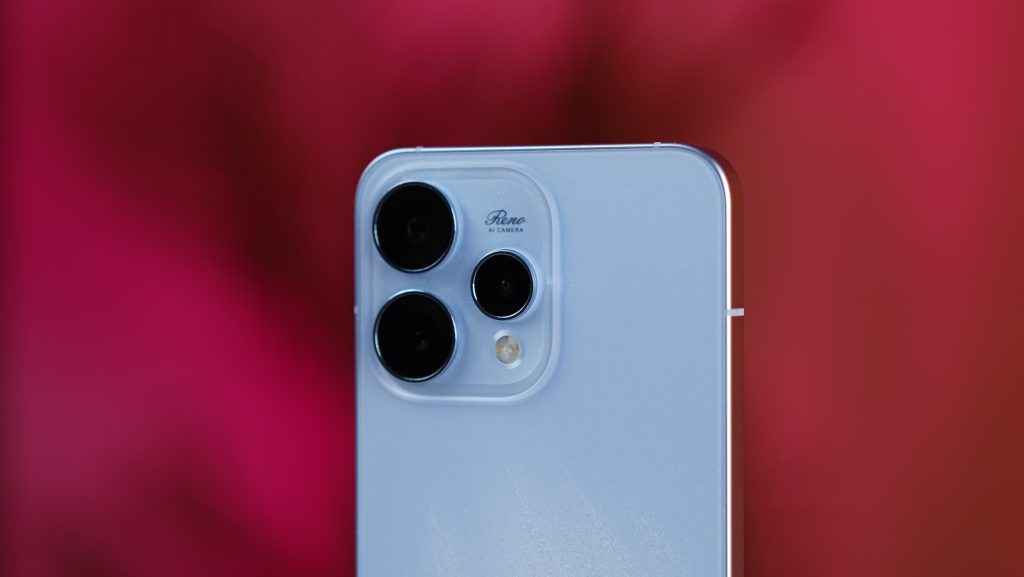
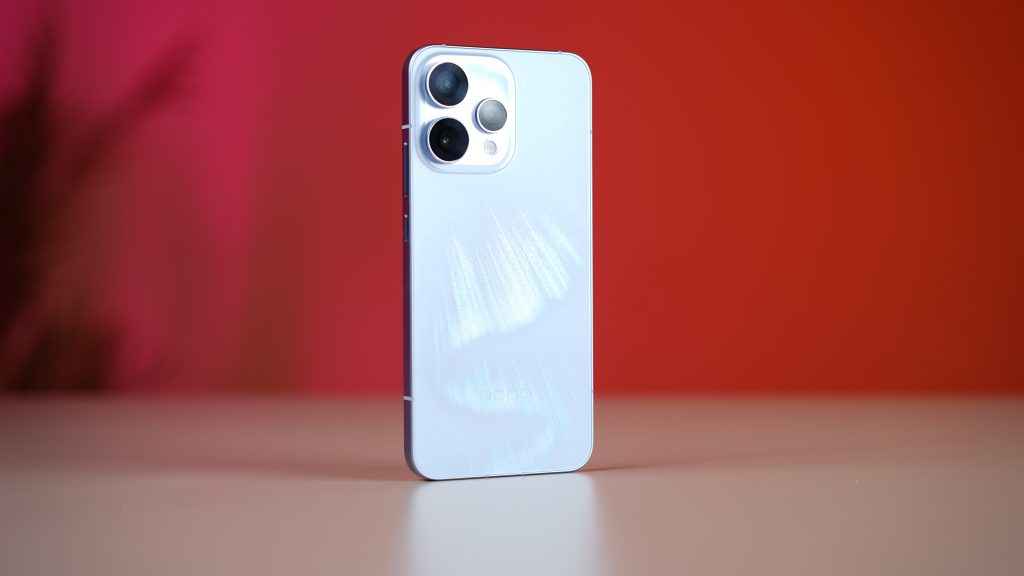
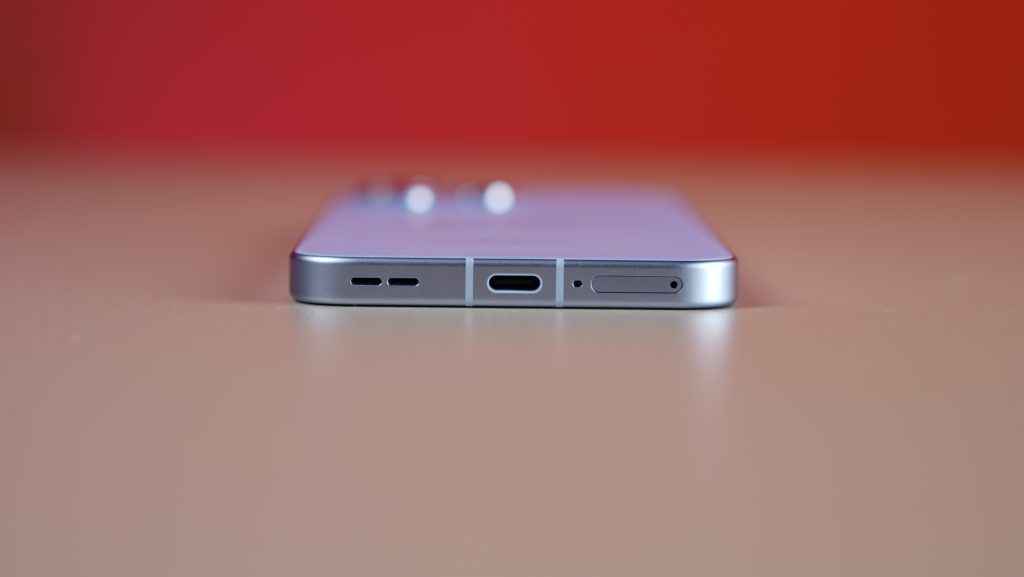
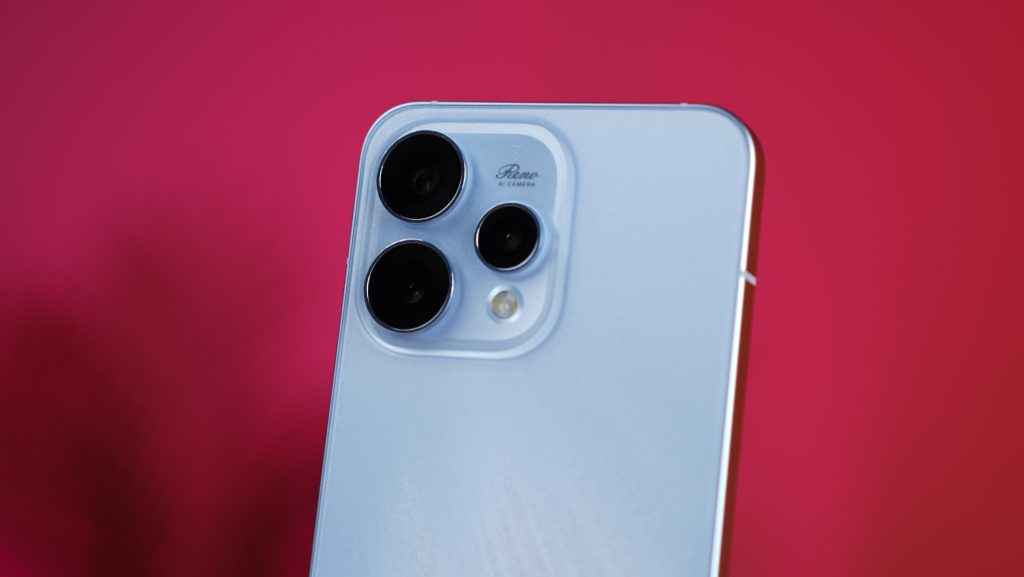
Obviously, the first thing that gets noticed is the look. And this time, I saw something that really stands out. With the Reno 15, the company offered a new HoloFusion Technology, which adds a little glare to the panel and grabs attention. It has layered light effects on the glass back that catch reflections nicely as you move the phone, adding depth without looking flashy. And when you look at the camera, the Stellar Ring around the camera module blends neatly and adds character to the overall look.
Durability seems to be yet another focus rather than a checklist. The frame is made of aerospace-grade aluminium, paired with a one-piece sculpted glass back, and the phone carries IP66, IP68 and IP69 ratings, which is still rare outside flagship territory. Some practical touches, like Splash Touch and Glove Touch support, give some bonus points to the phone.
That said, while Oppo has introduced AI Mind Space features, I missed a dedicated physical button for quick access from a usability standpoint. However, you can still access it via gestures.
In daily use, the Reno 15 largely lives up to the claims. It feels comfortable and definitely premium while holding it, thanks to its 7.7mm profile. Weight distribution is not a problem, buttons are tactile, and overall, it makes you feel like you are holding a true flagship.
Oppo Reno 15: Display
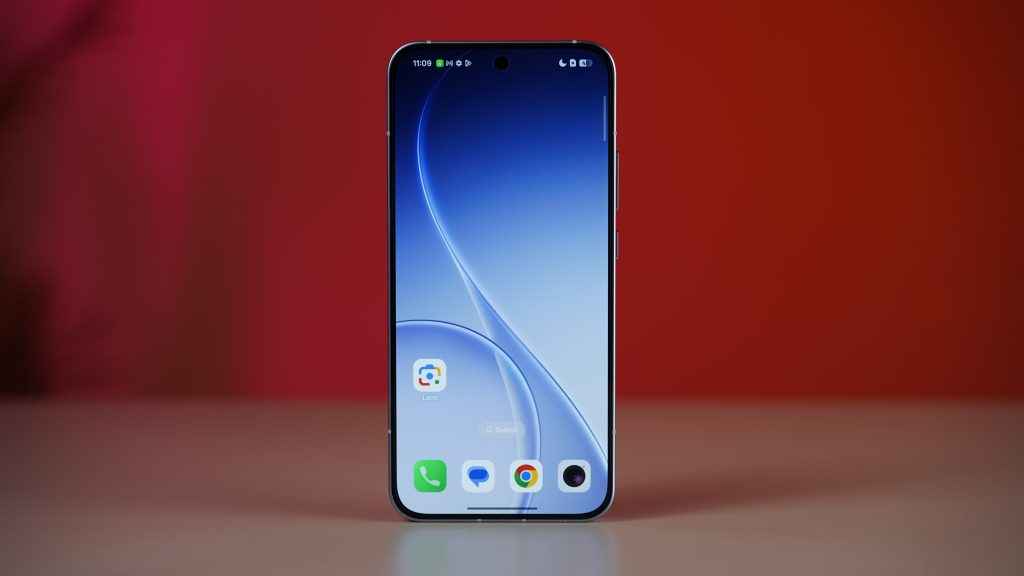
The Oppo Reno 15 comes with a 6.59-inch AMOLED panel with a 120Hz refresh rate and support for HDR10+ video playback. With Gorilla Glass 7i on top, it feels like a complete package. Oppo claims up to 600 nits in regular use and 1,200 nits in bright conditions, which suggests it should be comfortable to use both indoors and outdoors. Right before I tell you the testing results, I can say this phone has one of the best displays in the segment, and the reason is fine-tuning.
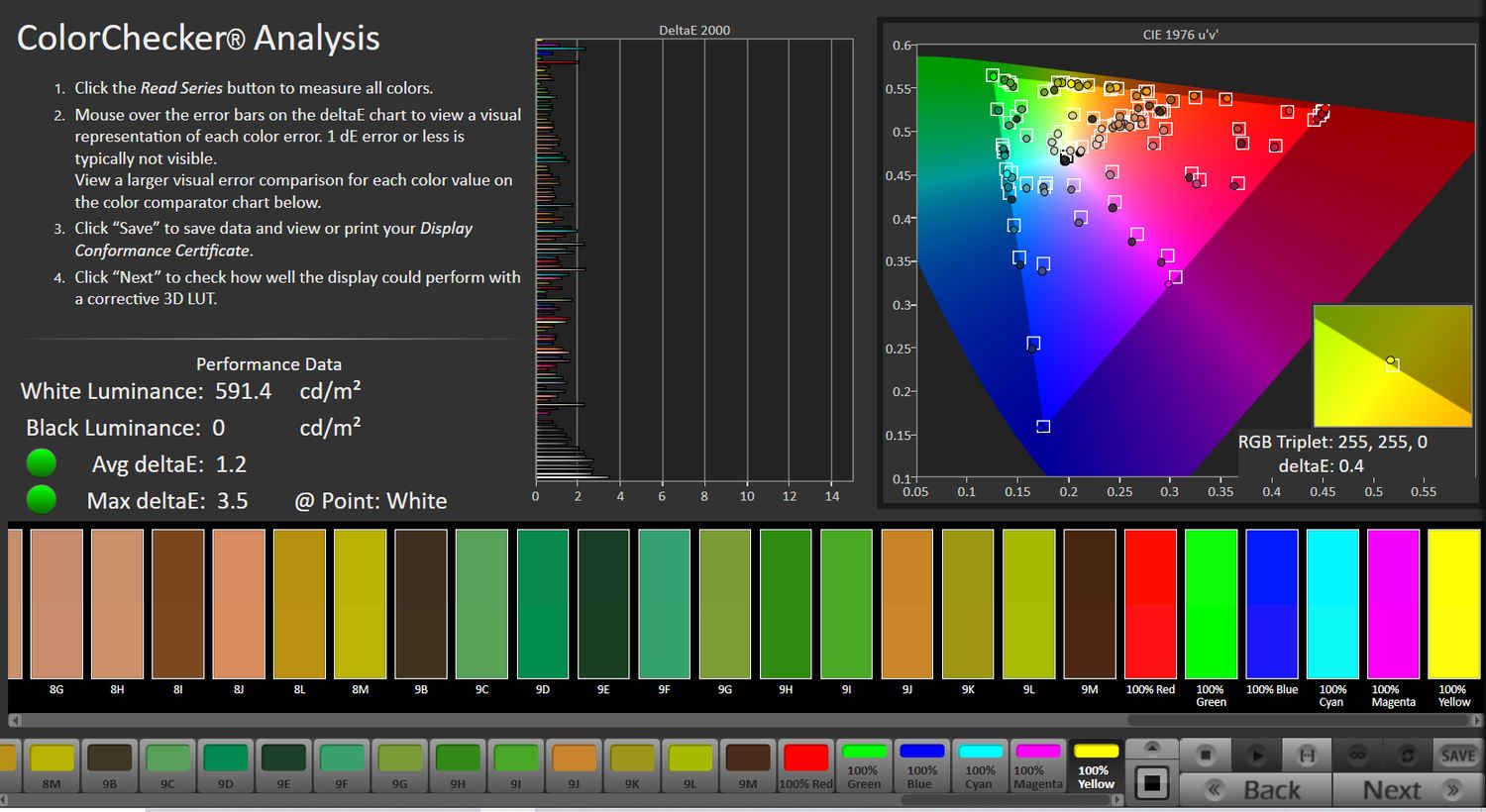
In our display testing using Calman and Spectracal C6, we found that the panel covers the entire colour gamut, about 99.6%, which is something rare to see in this segment. More importantly, colours feel accurate and natural. The phone scored an average DeltaE of 1.2; most colour differences are so small that your eyes simply will not notice them. So, in daily use, you will find your photos, videos, Netflix and even UI elements look natural rather than punchy.
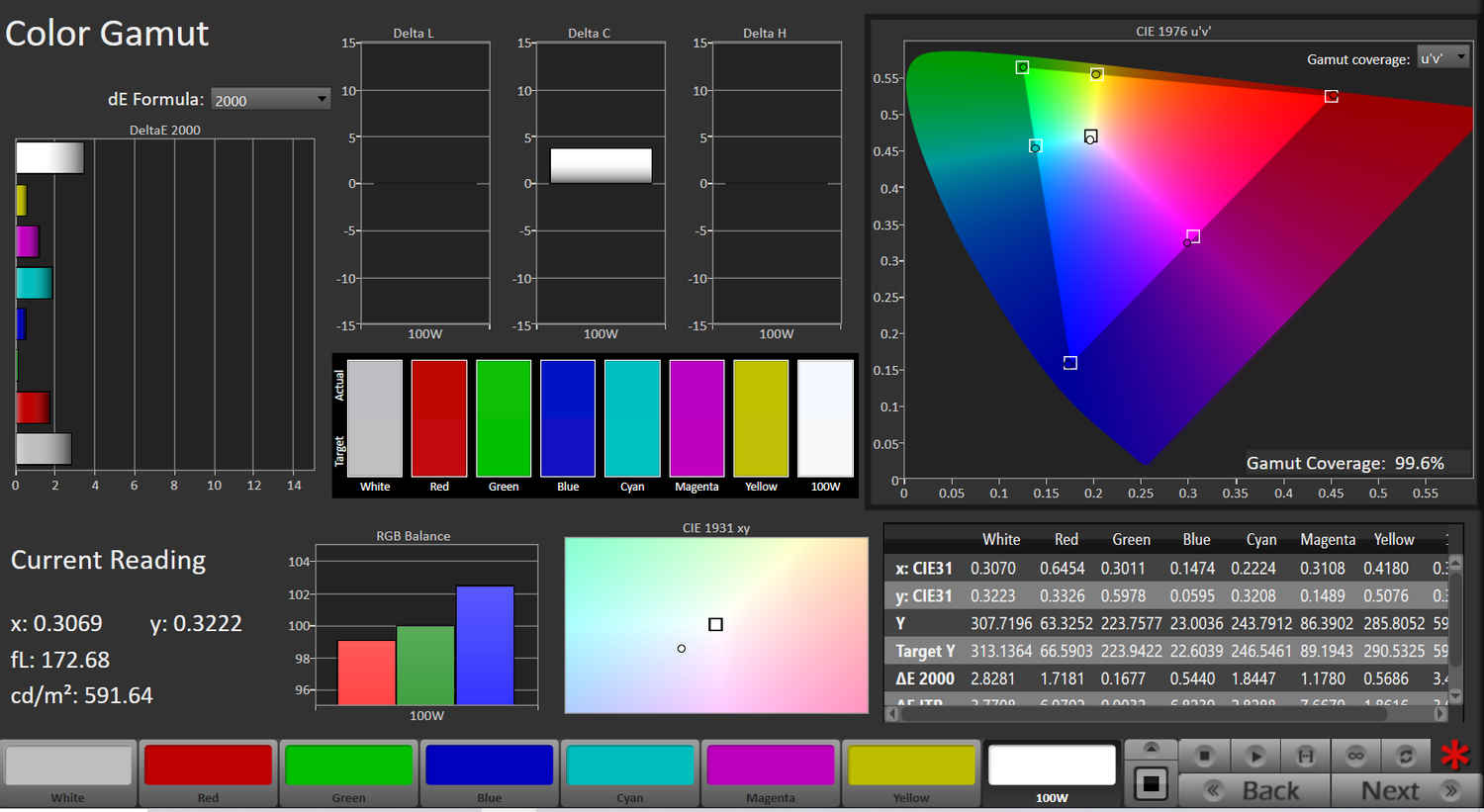
White balance is handled well too. Whites look clean and neutral, not bluish or overly warm, and greys do not pick up unwanted colour tints. As expected from an OLED panel, blacks are truly black, which gives the display strong contrast, something you will notice immediately when watching videos or using dark mode.
Brightness is another pleasant surprise. Real-world testing shows the screen can push much higher in direct sunlight, touching around 2,000 nits. In simple terms, the Reno 15 remains readable outdoors, not by blasting brightness, but by using good contrast and efficient panel tuning.
Oppo Reno 15: Performance
The Oppo Reno 15 5G is powered by Qualcomm’s Snapdragon 7 Gen 4 chipset, built on a 4nm manufacturing process. On paper, the company claims a meaningful generation uplift with the CPU offering up to a 27% improvement, the GPU seeing a 30% boost, and the NPU delivering a sizable 65% jump for AI-related workloads.
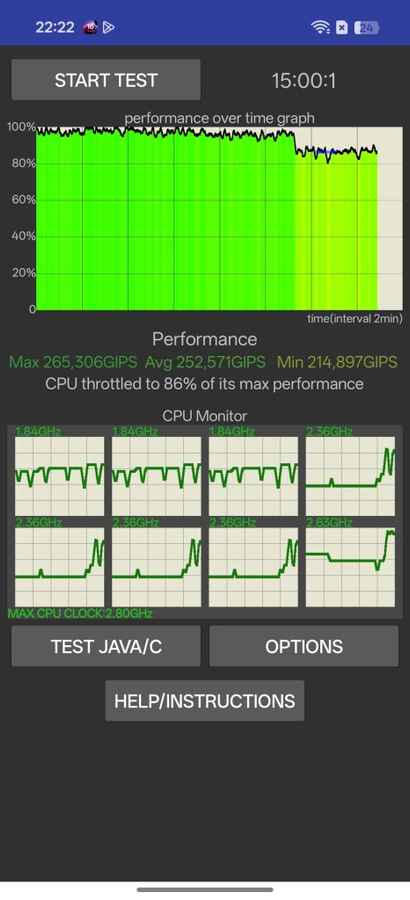
In everyday use, the Reno 15 largely behaves like a modern upper midrange phone. General tasks like app switching, web browsing, social media, navigation and image editing run smoothly, with no obvious stutters or slowdowns. Gaming performance is equally predictable rather than headline-grabbing. Titles like BGMI run lag-free at up to 90fps on low settings, and thermal management remains under control, but not during extended sessions. In CPU throttling tests, the phone maintains around 86% of its peak performance, which is an excellent and stable sustained output without aggressive thermal drop-offs.
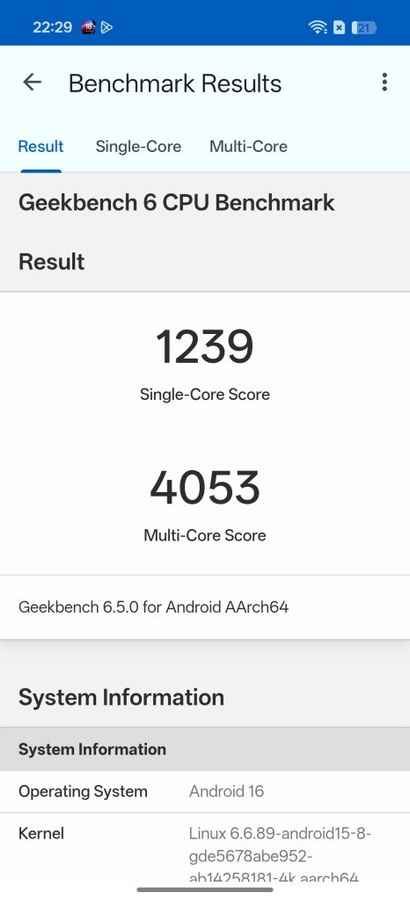
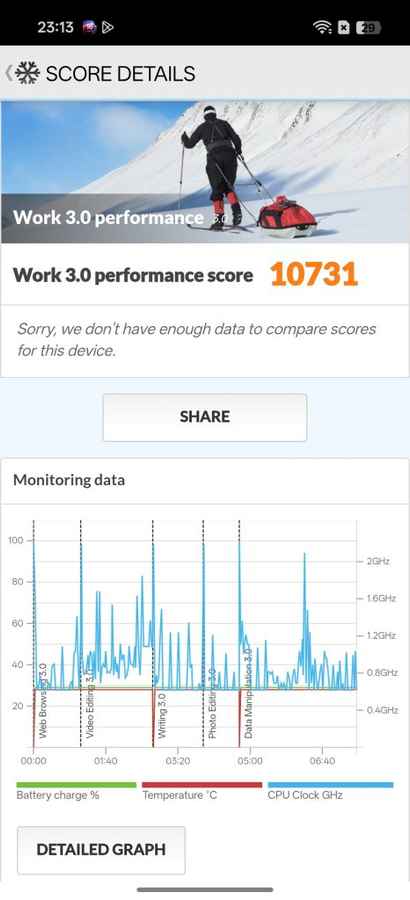
But benchmark results place the Reno 15 squarely in familiar territory. It scores 1,239 in Geekbench 6’s single-core test and 4,053 in the multi-core run, while Antutu returns a combined score of 1,460,237. In GPU-focused workloads, the device records 2,096 in 3D Mark Wildlife Extreme and 10,731 in the Work 3.0 test.



While these numbers are fine, I expected better. The same Snapdragon 7 Gen 4 chip is already found in devices such as the Vivo V60, Realme 16 Pro Plus and even the previous-generation Reno 14.
That familiarity cuts both ways. On one hand, performance is dependable and well-understood, with no major surprises or weaknesses in day-to-day use. On the other hand, the lack of a meaningful chipset upgrade feels conservative, especially when competitors in a similar price bracket, such as the OnePlus 15R, offer flagship-class silicon like the Snapdragon 8 Gen 5.
Oppo Reno 15: Battery and charging
The Oppo Reno 15 is backed by a sizable 6,500mAh battery, a capacity that immediately places it ahead of many phones in its segment. Oppo pairs this with fast 80W wired charging.
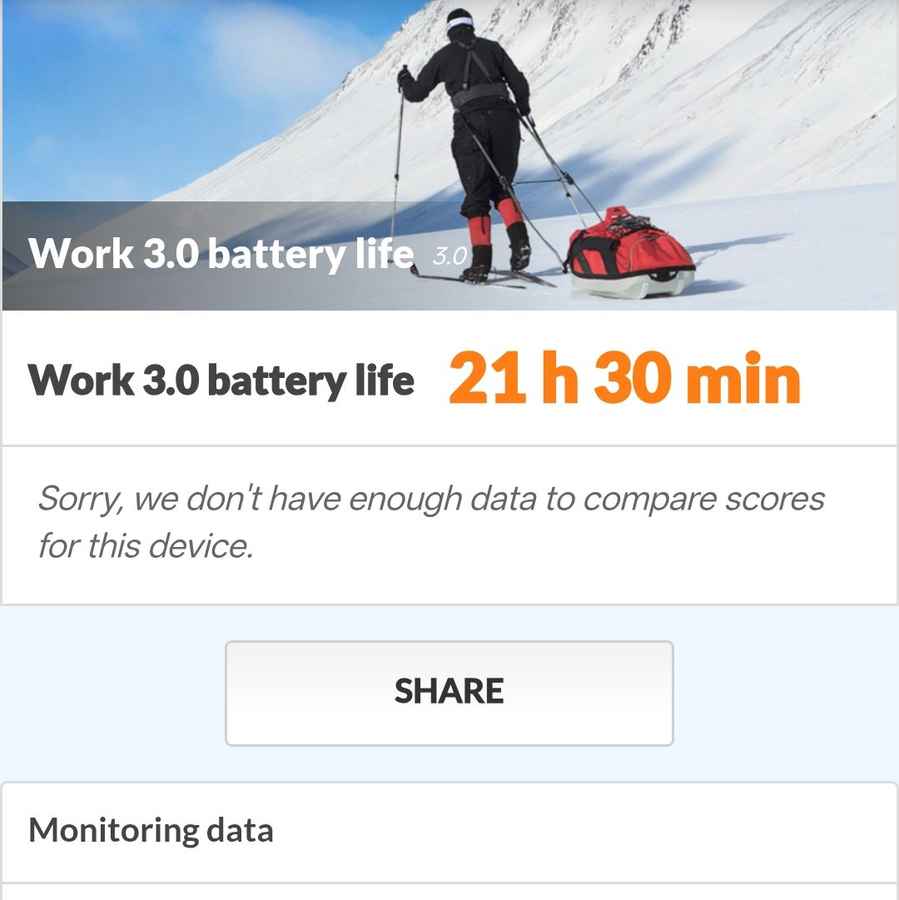
On the PCMark Battery Life test, the Reno 15 lasted 21 hours and 30 minutes, which comfortably puts it in the territory of a day and a half of use for most people. During regular usage, mixing photography, social media scrolling, light image editing, gaming and navigation, the phone rarely induced battery anxiety. Even with moderate to slightly heavy use, it’s realistic to end the day with plenty of charge left.
Charging performance is equally consistent. In our testing, the Reno 15 went from 0 to 100% in about 75 minutes using a compatible fast charger. That said, there are a couple of omissions worth noting. The absence of wireless charging and reverse wireless charging feels noticeable at this price point.
Oppo Reno 15: Camera
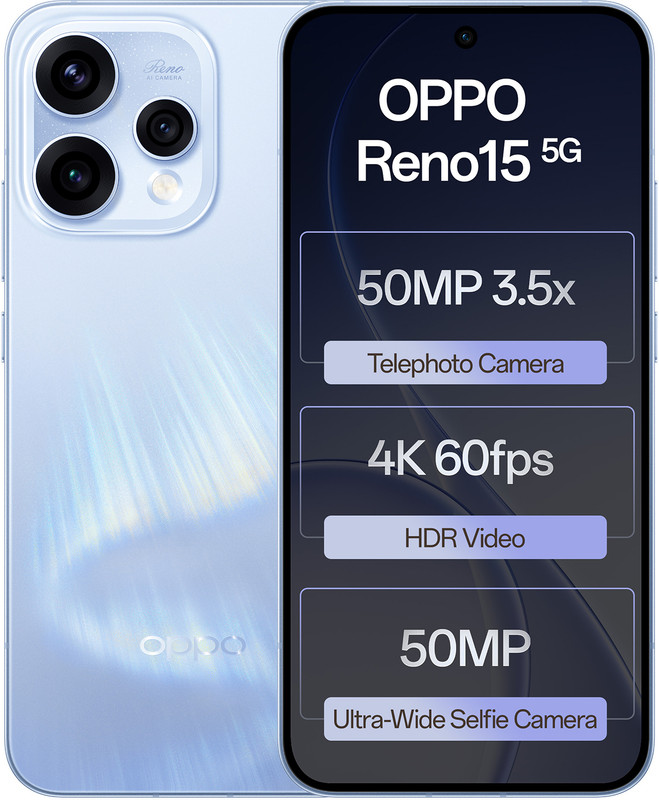
On paper, the Oppo Reno 15 5G brings a camera setup that looks thoughtfully assembled for its asking price. The phone is led by a 50MP primary camera, supported by a 50MP telephoto portrait camera with a 3.5x optical zoom and an 80mm equivalent focal length, a range widely considered ideal for portraits. There’s also a high-resolution 50MP ultra-wide selfie camera with a 100-degree field of view, designed to handle both group shots and wider backgrounds without distortion. Oppo has paired this hardware with features like 4K 60fps HDR video recording across multiple focal lengths, enhanced stabilisation for both front and rear cameras, and a new colour pipeline called PureTone Technology, which the company says is tuned specifically for Indian lighting conditions and skin tones.
In real-world use, the Reno 15’s camera approach becomes clearer, prioritising consistency and realism in photos. I tested the phone outside controlled environments, including a day trip across varied locations in Sri Lanka, where lighting shifts quickly and scenes are rarely predictable. In daylight, the camera shows a clear preference for restraint. Colours stay grounded: greens don’t veer into neon territory, blues remain natural, and highlights, especially around water and reflective surfaces, are handled with care. There’s sharpening, but it’s applied sensibly, avoiding the artificial crispness that often ages poorly.










Portrait photography is one of the Reno 15’s stronger areas, and much of that comes down to optics rather than software tricks. The 3.5x telephoto lens produces portraits with natural-looking depth separation, clean edges, and stable skin tones across changing light. There’s no aggressive beauty processing at play, which helps faces look believable rather than polished.




The ultra-wide camera is also more usable than expected, with controlled distortion and consistent colour reproduction, making it genuinely useful for travel and group shots.
Low-light performance follows the same philosophy. Instead of pushing brightness aggressively, the Reno15 preserves the atmosphere. Shadows remain darker, highlights stay controlled, and while some grain is visible, textures are retained rather than smeared. It may not impress users who prefer night shots that look like daylight, but it does a good job of preserving the mood of a scene.



Oppo’s features feel more practical than flashy. AI Portrait Glow helps correct difficult lighting without flattening facial details. You also get the Popout feature, integrated into the Photos app, which offers an easy way to create interactive collages without third-party tools. They’re additions you may actually use, rather than features you try once and forget.


Oppo Reno 15: Verdict
The Oppo Reno 15 is a phone that makes sense the longer you live with it, even if it doesn’t try to win you over instantly. It sits in a crowded sub Rs 40,000 segment where differentiation is difficult, and Oppo’s approach this year is less about chasing extremes and more about delivering a balanced, dependable experience.
Its strongest pillars are clearly the display and the camera. The AMOLED panel is among the best-tuned screens in its class, prioritising colour accuracy and consistency over exaggerated punch. It’s the kind of display that works equally well for streaming, casual photo editing and everyday use, without drawing attention to itself for the wrong reasons. The camera follows a similar philosophy. Instead of dramatic processing, the Reno 15 focuses on predictability, natural colours and stable results across conditions. For travel and daily photography, that restraint works in its favour, even if it won’t always produce the most eye-catching shots on social media.
Performance is where the Reno 15 feels the most conservative. The Snapdragon 7 Gen 4 is competent and reliable, but familiar. It handles daily tasks and gaming without complaint, yet it doesn’t move the needle forward in a segment where rivals are beginning to offer flagship-grade silicon. Battery life, however, is a clear win, delivering excellent endurance and reliable fast charging.
Ultimately, the Oppo Reno 15 isn’t trying to be the most powerful or the most experimental phone in its class. It’s aimed at users who value a good camera, a well-calibrated display, strong battery life, and a design that feels premium without being flashy. If those priorities align with yours, the Reno 15 makes a solid, if not groundbreaking, case for itself.
Oppo Reno 15 5G Key Specs, Price and Launch Date
| Release Date: | 08 Jan, 2026 |
| Market Status: | Launched |