
AI and brain rot: 30-year study warns how AI is accelerating our mental decline
 Follow Us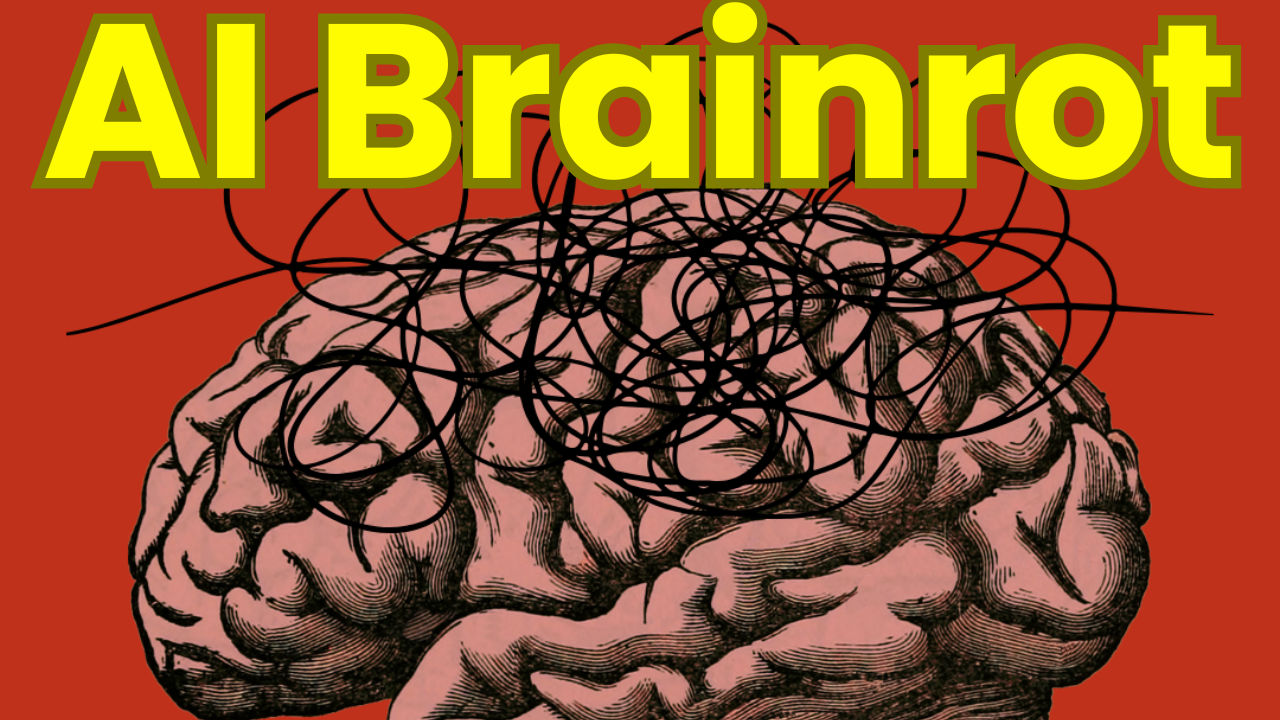

According to University of California, Irvine psychologist Gloria Mark, our average human attention span has shrunk to 47 seconds due in large part to the rise of smartphones, social media, and the endless scrolling we do. As a result of these advances in technology, and now artificial intelligence will likely only exacerbate this decline.
 Survey
Also read: UFS 5.0 explained: Why storage speed on smartphones matters more than you think
At last week’s SXSW London conference, Mark made a non-alarmist case for the amount of time we spend working with digital technology based on decades worth of longitudinal research data and physiological monitoring. He argued that from a cognitive science standpoint (“use it or lose it”) if we use an AI chatbot to obtain a summary of an article or draft an email or evaluate our reasoning, there is essentially no depth processing (deep engagement) of the information, which hinders actually learning and remembering that information. As a result, over time, the cognitive shortcut of outsourcing our reasoning may gradually diminish our ability to think critically; therefore, as more people use AI for reasoning, Mark warns, we will collectively become more vulnerable to misinformation, which is not an insignificant consequence.
Worry over AI’s impact will be both cognitive and emotional. You will have difficulty relating to humans; you will have to be patient, show empathy, and work through conflict. An AI companion is designed to be agreeable and available and, therefore will never create that friction. Mark predicts that we’re already losing our emotional intelligence, and that AI companionship is giving it a “turbo-boost” to decrease even further. A muscle that isn’t used will atrophy.
Also read: ChatGPT, Codex, Atlas: Will a super app help OpenAI succeed?
None of this means that AI is inherently harmful. Therefore, we must not fall into the trap of viewing this as an unnecessary moral tale about technology gone awry. The internet was expected to addle our brains. The evidence is inconclusive to support the argument for either side, as demonstrated by Mark; the only scientifically verifiable issue pertaining to social media’s use by today’s youth is that it negatively impacts adolescent mental health. But, contrary to what many best-selling horror books would imply, the jury is still out regarding AI’s effects on society.
The very real cognitive risk presented by AI is not a theoretical one. Understanding how much you are using AI will clarify the risks. There will not be much risk involved when using AI to perform mundane or mechanical tasks, but there will be a substantial risk of cognitive decline when you delegate evaluating, wrestling, or developing your opinion to AI.
Mark’s prescription is quietly radical in a world optimised for convenience: put effort back in. Read the book, not the summary. Navigate without GPS when you can. Meet people in person. These aren’t Luddite gestures; they’re deliberate acts of mental maintenance.
The tools aren’t going anywhere. The question is whether we remain the ones using them or whether, gradually, they start using us.
Also read: OpenAI Dreaming explained: How ChatGPT updates your memory in the background


