
AI Action Summit 2025 in Paris: 5 things you need to know
 Follow Us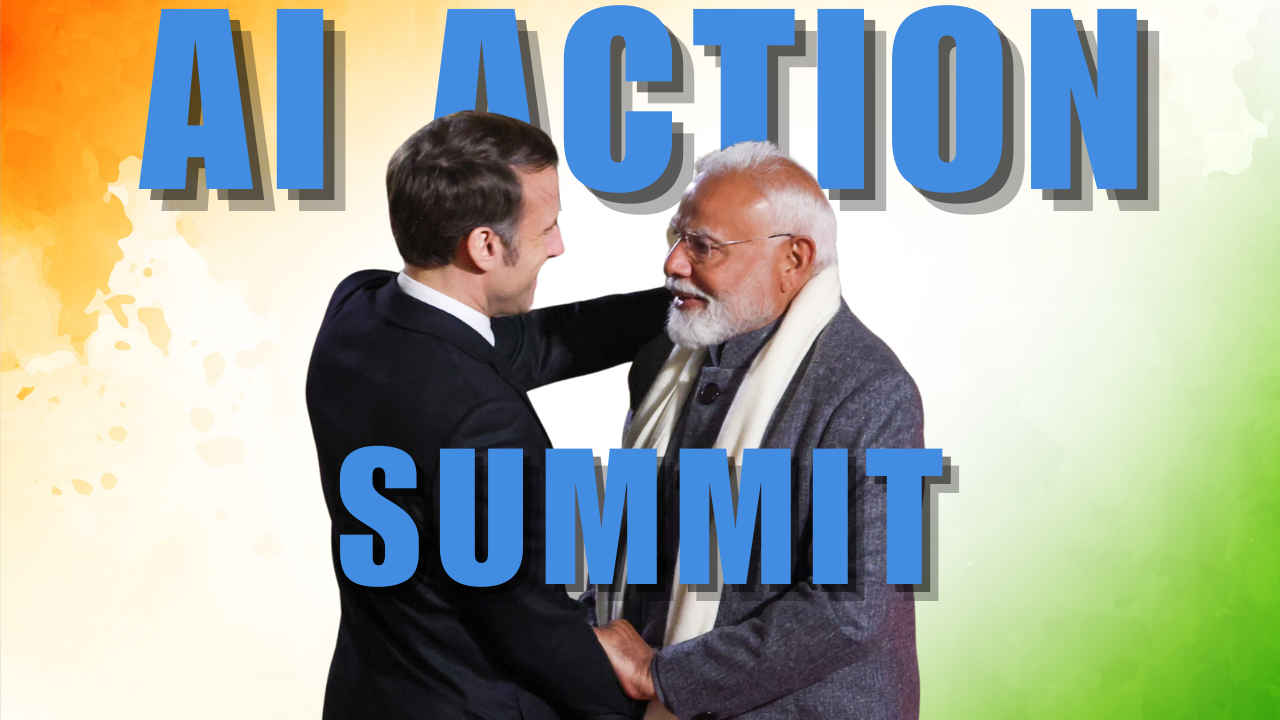

It isn’t every day that you see India’s Prime Minister co-chairing a summit on the global stage – especially one focused on artificial intelligence. Yet that’s precisely what’s happening at the AI Action Summit on February 10 and 11 in Paris, France.
 Survey
Also read: DeepSeek AI: How this free LLM is shaking up AI industry
If you’re based in India and wondering why any of this matters, here are five key questions and answers to get you up to speed. And no, the Summit isn’t a kneejerk reaction to the emergence of DeepSeek!
1) What is the AI Action Summit?
The AI Action Summit is a two-day gathering in the Grand Palais, bringing together leaders from over a hundred nations, industry bigwigs, researchers, NGOs, and civil society groups to hash out how we shape AI in a way that respects universal values. Think of it as a mini-G20 for AI, with an emphasis on sustainable, equitable, and responsible tech development and deployment.
With respect to why it matters, well because AI is transforming everything from how we shop online to how we manage public services. The AI Action Summit’s bigger ambition is to collectively define AI standards and frameworks – so we can maintain a sense of balance in this ultra-fast-moving tech landscape.
2) Why France? Why is India co-chairing?
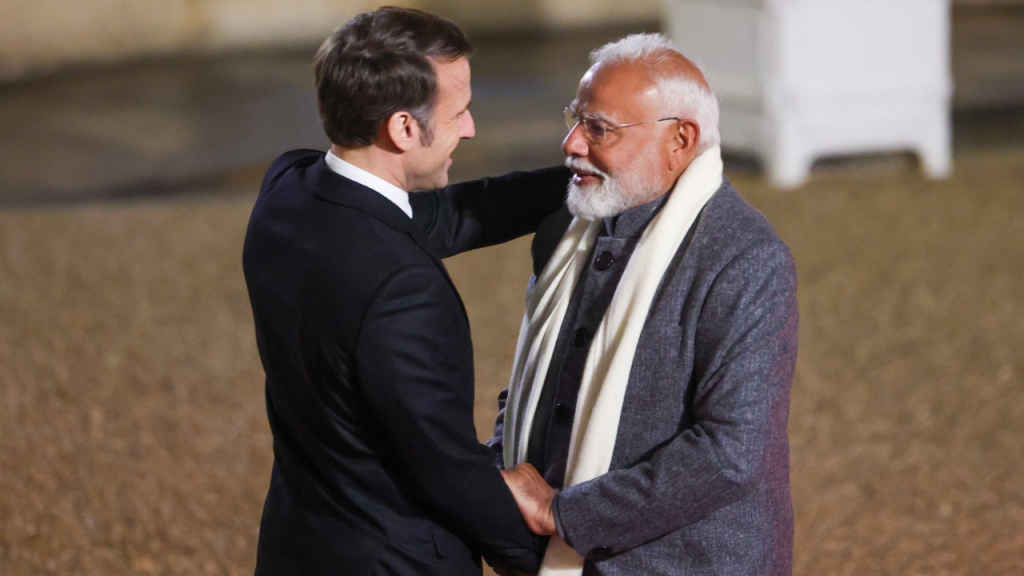
France launched its national AI strategy back in 2018, and the nation has also become a diplomatic powerhouse on AI, part of seven major international AI initiatives. Co-chairing the AI Action Summit is India, represented by Prime Minister Narendra Modi, which underscores India’s growing influence in global tech. The synergy between Paris and New Delhi aims to highlight both advanced Western AI ecosystems and the surging potential of emerging markets like India.
“This event will bring together heads of State and Government, international organizations and companies of all sizes,” states the official communication. In other words, the AI Action Summit is designed to be inclusive and beneficial for people of all nations, across all economic strata.
3) What is the AI Action Summit’s broad agenda?
While previous AI summits tackled safety or governance from a more top-down angle, this year’s Paris edition is anchored by five strategic focuses:
- Public Service AI: Think about how government apps, social programs, or health initiatives can incorporate AI responsibly.
- Future of Work: A big one for Indian audiences, as automation and AI upend job markets.
- Innovation and Culture: From AI-generated art to creative VR experiences, the cultural angle is front-and-center.
- Trust in AI: Because if people don’t trust the technology, adoption stalls.
- Global Governance of AI: Ties everything together; how do we ensure collaborative, inclusive decision-making?
Also read: Top 3 sustainability tech trends for 2025: From clean energy to refurbished gadgets
“Provide access to independent, safe and reliable AI to a wide range of users,” read one of the summit’s objectives. Another is about ensuring environmentally friendly AI – a theme resonant for India, given both our climate vulnerabilities and our appetite for data center expansion.
4) Who’s attending the AI Action Summit?
The roster is a who’s-who of global AI heavyweights. You’ve got PM Narendra Modi co-chairing, US Vice President JD Vance, plus leaders Canada and EU are in attendance. On the corporate front, expect senior executives from important AI sector tech companies like OpenAI, Google, Microsoft to be there. Qualcomm, NVIDIA, and others are expected to attend in some capacity, reflecting the crucial role of semiconductor hardware for AI tech going forward.
Also read: India’s 8-GPU gambit: Shivaay, a foundational AI model built against the odds
Beyond the VIPs, “More than 800 participants (public and private sector partners, researchers, NGOs from around the world) have taken part in contact groups,” according to official statements. From an Indian lens, watching all these power players converge in Paris might seem distant, but the policies and roadmaps emerging from these summits eventually shape the tech we use daily – everything from AI in your next phone to the data sovereignty rules that might govern our personal data.
5) What’s in it for India’s AI ecosystem?
I’m sure you don’t need to tell me that India is the second-largest smartphone market on the planet, and data usage here is skyrocketing. With that in mind, the AI Action Summit sets the stage for deals, partnerships, or collaborative research that can filter back into initiatives like “Make in India” or “AI for All.” One panel, co-hosted by AI4India and the Center for Policy Research and Governance (CPRG), focuses on “AI in the Global South,” addressing data usage for development. That signals a real interest in how emerging economies can leapfrog with AI.
Also read: Krutrim-2 – Can India’s language-first AI outpace global benchmarks?
On top of that, France wants to showcase open-source AI models and “clean energy solutions for data centers.” This resonates with India’s larger push toward green energy. If we can find cost-effective, sustainable solutions for data centers, we could accelerate AI adoption in every corner of the country – without exacerbating our power grids or environmental impact.
For India, being a co-chair is a clear sign that we’re not just on the receiving end of AI trends. We’re shaping them. Our massive IT workforce and robust start-up scene make us a natural powerhouse in AI engineering – this Summit could further cement that status.
If the AI Action Summit lives up to its billing – “to maintain balance in our societies and to craft AI that respects universal values” – then we might see a new roadmap that marries AI innovation with equity, sustainability, and cross-border cooperation. For India, that could mean harnessing AI’s transformative power to serve 1.4 billion people in ways that are efficient, inclusive, and mindful of the environment.
Also read: Anthropic Economic Index: How is AI impacting jobs and what it means for us


