Lab robot discovers antibiotic in one week using automated chemistry
York researchers find iridium antibiotic active against drug resistant bacteria
Automation speeds antibiotic discovery as robots screen hundreds compounds rapidly
Somewhere inside the University of York, a lab robot has just pulled off the kind of week that makes the rest of antibiotic discovery look like it’s working from a coffee shop with bad Wi-Fi.
 Survey
In seven days, researchers used an automated system to synthesize and screen more than 700 metal-based compounds, and it didn’t just generate a neat dataset for a future paper. It surfaced a real contender: an iridium-based antibiotic candidate that can hit drug-resistant bacteria while showing low toxicity to human cells.


Also read: Elon Musk in 2025: 5 unforgettable quotes on AI and future
How the research began
Antibiotics are one of those modern miracles we only notice when they start to fail. Unfortunately, they’re failing more often. Resistance keeps climbing, turning ordinary infections into stubborn, sometimes lethal problems – and making routine medicine feel less routine.
At the same time, the antibiotic pipeline has been drying up for years: discovery is slow, expensive, and (for big pharma) notoriously bad business.
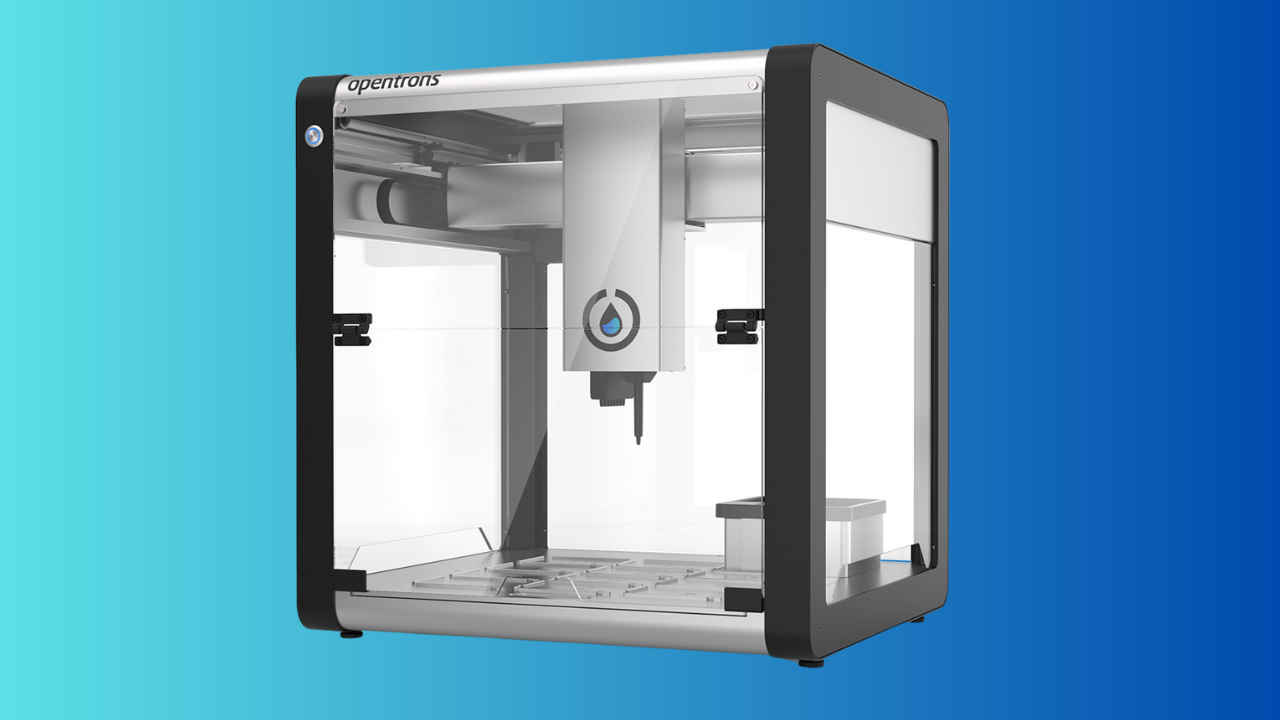
So instead of doing what most labs do – small batches, long timelines, and endless purification – the University of York’s team, led by chemist Dr. Angelo Frei, decided to go after the bottleneck: speed.
What the robot actually did
Their lab setup was deceptively simple. An Opentrons liquid-handling robot paired with click chemistry, the famously efficient method for snapping molecular building blocks together. Postdoctoral researcher Dr. David Husbands fed the system nearly 200 ligands and five metals, generating 672 characterized metal complexes – including candidates built around iridium, ruthenium, rhenium and manganese.
Also read: ISRO launch: BlueBird Block-2 communication satellite launch explained, how to watch
Then came the part that feels almost punk compared to traditional workflows: they used a “Direct-to-Biology” strategy, screening crude reaction mixtures instead of spending ages purifying every compound first. The team tested their library against Staphylococcus aureus and E. coli, while also checking toxicity in human embryonic kidney cells.
The hit rate wasn’t subtle. Fifty-nine compounds showed strong activity against S. aureus, with some minimum inhibitory concentrations as low as 0.39 micromolar – comparable to vancomycin at 0.42 micromolar. From there, six were resynthesized and fully characterized. The standout was an iridium complex called IrCN(M8Y4), with a therapeutic index between 49 and 99, effectiveness against strains akin to MRSA, and no hemolysis in human red blood cells even at high concentrations.
Why this robot led discovery is a big deal
Yes, the iridium compound is exciting. But the bigger story is what it represents – a new tempo for antibiotic discovery.
Metal complexes bring something most modern “flat” organic antibiotics don’t – three-dimensional shapes that can interact with bacteria in unfamiliar ways, potentially dodging the usual resistance tricks. And automation changes the economics of exploration: instead of cautiously testing a handful of ideas, you can flood the zone with hundreds of new structures and let biology do the ruthless sorting.
When the pipeline is dry, finding one promising candidate is news. Proving you can find it at speed – that’s the kind of shift that could make the whole field feel alive again.
Also read: Demis Hassabis vs Yann LeCun: Is human intelligence general or specialized?
 Follow Us
Jayesh Shinde
Executive Editor at Digit. Technology journalist since Jan 2008, with stints at Indiatimes.com and PCWorld.in. Enthusiastic dad, reluctant traveler, weekend gamer, LOTR nerd, pseudo bon vivant. View Full Profile


