
YouTube to automatically label AI videos as Google expands push for easier AI content detection
 Follow Us
YouTube will add AI labels to videos on its own in some cases.
Labels will appear more clearly across videos and Shorts.
The change aims to help viewers know what is AI-made.

Google recently announced at Google I/O 2026 that it wants to make AI-generated content easier to identify. To support this, the company is expanding the use of SynthID on images and videos created with its AI tools. Users can also upload content to Gemini and ask whether it was generated using AI. Now, the company has taken a step further, as the video platform of the Mountain View-based tech giant is now changing how it handles AI-made videos as realistic AI content becomes easier to create and harder to identify. Instead of depending only on creators to declare when AI was used, YouTube will now begin adding labels on its own when it detects major use of photorealistic AI. The move comes as AI video tools continue improving and producing clips that can closely resemble real people, places, and events. YouTube says the goal is not to punish creators but to make viewers more aware of what they are watching. The company is also redesigning where these labels appear so they are easier to notice.
 Survey
YouTube recently published a blog post explaining that it is improving AI labels for both viewers and creators. Although the feature has been available for more than two years, the company is introducing changes to make it easier for viewers to identify videos or specific parts of videos that were created using AI. YouTube said creators should label AI-generated content when it could make viewers believe that something shown is real. However, the company also clarified that fictional or animated content does not require disclosure.
The company also introduced internal detection signals that can identify when significant photorealistic AI may have been used in a video earlier in May this year. The feature works in a manner that if a creator does not mark the content or forgets to do so then YouTube may apply the label automatically.
Also read: Anthropic Mythos AI prompts India to review security of banks and government systems
Creators who believe their content was marked incorrectly can update the disclosure settings. However, videos created using YouTube’s own AI tools, including Veo and Dream Screen, may continue carrying those labels, and users may not be able to remove them.
The platform also confirmed that videos carrying C2PA metadata, a technical standard used to indicate fully AI-generated content, will receive permanent labelling. Several major AI companies have started supporting this standard in recent months.
Also read: Electricity bill too high? Before blaming your AC, check these 5 hidden remote settings first
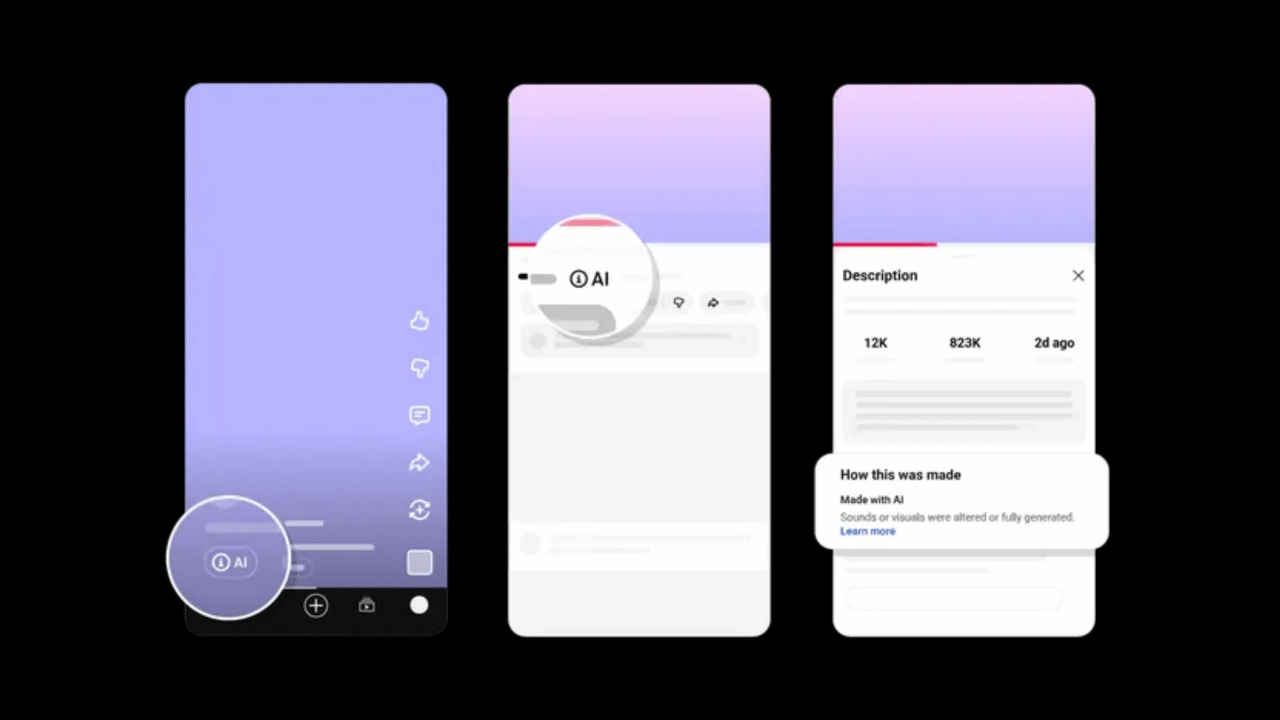
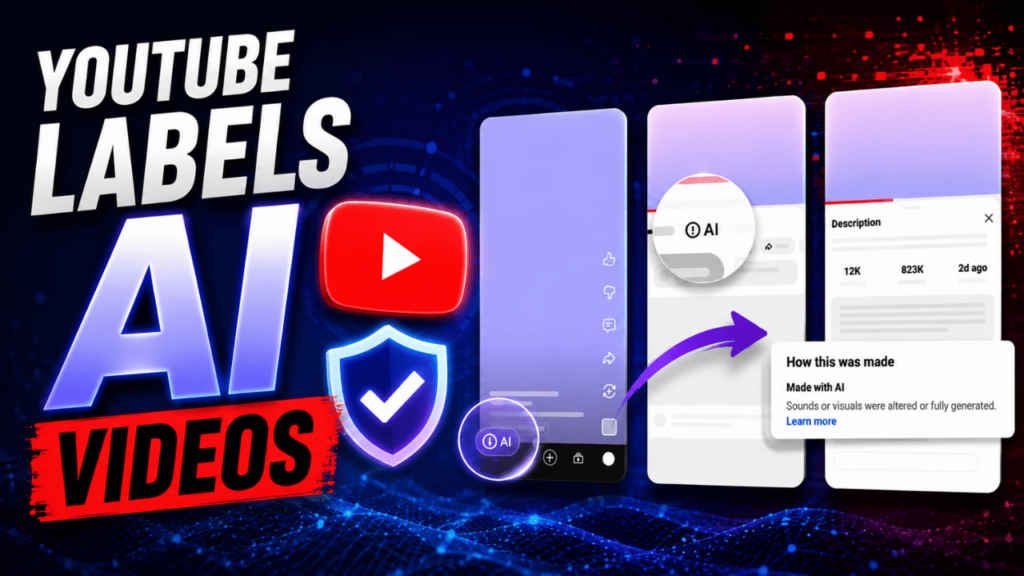
At the same time, YouTube is expanding visibility of these notices. Earlier, labels mostly appeared inside the expanded description section except in sensitive categories such as health and news. Going forward, labels on long-form videos will appear directly below the video player, while YouTube Shorts will show them as an overlay.
YouTube said labels themselves will not reduce recommendations or affect monetisation. They further clarified that the company’s main focus is to improve transparency as AI-generated video becomes a more common part of online content.


