

Samsung co-CEO hints at price increases as chip shortage hits consumer tech
 Follow Us
Samsung Electronics co-CEO TM Roh has warned that higher prices for consumer devices may be unavoidable, as the global shortage of memory chips continues to affect the technology industry.
“As this situation is unprecedented, no company is immune to its impact,” he said.
He explained that the shortage affects not only mobile phones, but also TVs and home appliances.
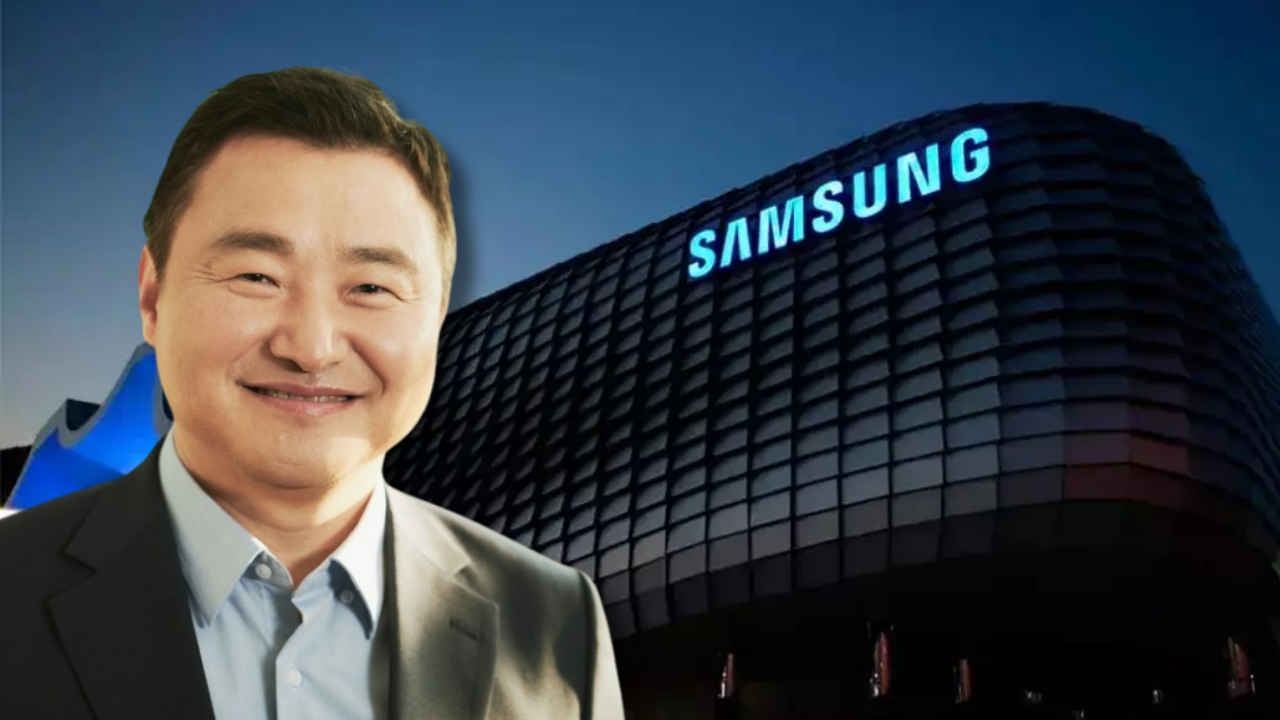

Samsung Electronics co-CEO TM Roh has warned that higher prices for smartphones, televisions and other consumer devices may be unavoidable, as the global shortage of memory chips continues to affect the technology industry. Roh told Reuters that Samsung is not spared from the impact of rising chip costs. “As this situation is unprecedented, no company is immune to its impact,” he said.
 Survey
He further explained that the shortage affects not only mobile phones, but also TVs and home appliances. While Samsung is working closely with partners to reduce the long-term impact, Roh admitted that some price increases are “inevitable.”
Despite these challenges, Samsung is pushing ahead with a major expansion of artificial intelligence across its products. The South Korean company has already rolled out Gemini-backed AI features to around 400 million devices, including smartphones and tablets. It now plans to double that number to 800 million devices in 2026.
Also read: Samsung just showcased a no-crease display for foldables but it might be made for iPhone
“We will apply AI to all products, all functions, and all services as quickly as possible,” Roh said.
Roh believes AI use among consumers will grow rapidly. Samsung’s surveys show awareness of its Galaxy AI brand jumped from about 30 percent to 80 percent in just one year. “Even though the AI technology might seem a bit doubtful right now, within six months to a year, these technologies will become more widespread,” he said.
Consumers mainly use AI for search on their phones, but Roh noted strong interest in other features as well, such as photo editing, productivity tools, translation and summaries.
Also read: Over 40 mn people use ChatGPT daily for health advice: OpenAI
Samsung is also using AI to strengthen its position against rivals like Apple and Chinese manufacturers.
On foldable phones, Roh said growth has been slower than expected due to engineering challenges and a lack of suitable apps. Still, he expects foldable devices to become mainstream within the next two or three years.
Also read: iQOO 15 Ultra launch timeline, display, processor, camera and other details we know


