
OpenAI vs Elon Musk trial begins: What happened so far, explained in 7 key points
 Follow Us
Elon Musk accused OpenAI of betraying its founding promise and is seeking massive damages and structural changes
OpenAI’s lawyers argue Musk wanted control and filed the lawsuit after launching his rival AI venture
The trial could impact OpenAI’s future, Microsoft’s role, and the broader direction of AI development
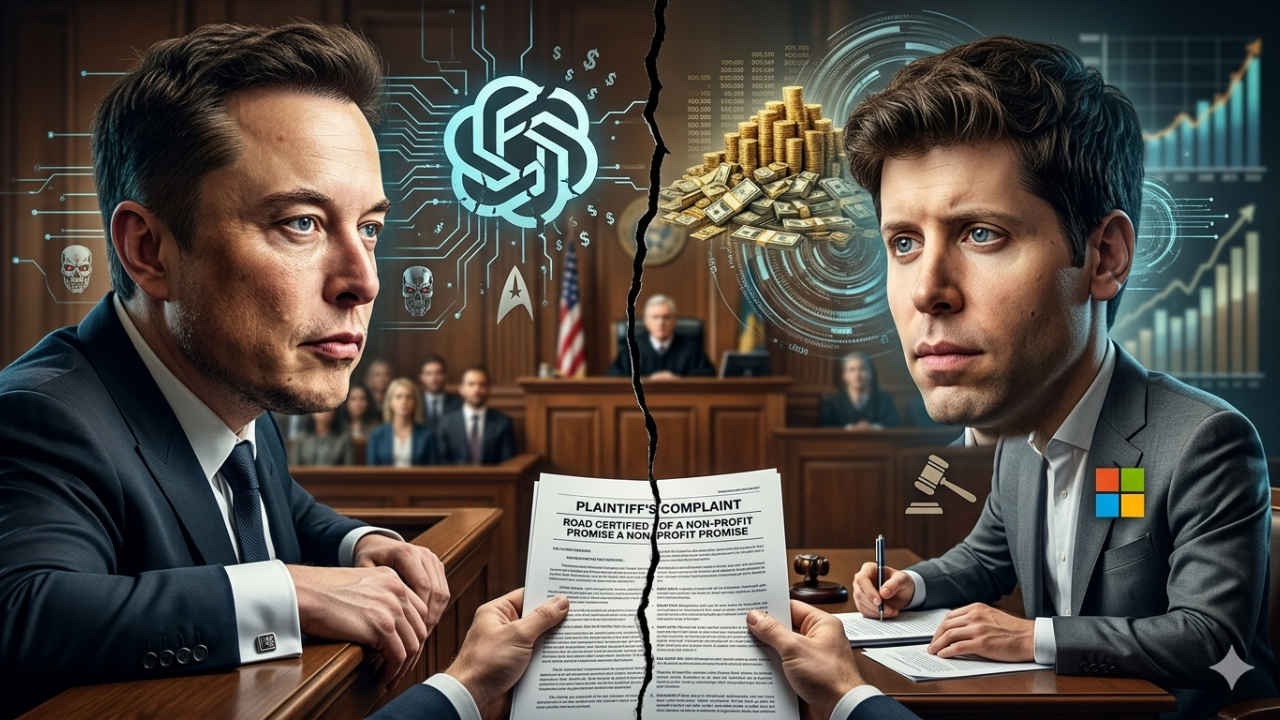

The much-talked-about legal war between Elon Musk and Sam Altman started after Twitter feuds. The trial started with Musk taking the witness stand on the very first day of the trial. For the unversed, the case cuts to the heart of one of Silicon Valley’s most consequential questions: did OpenAI betray the public trust when it abandoned its nonprofit roots to chase billions in investment? Here is everything that is happening.
 Survey
- What is the trial actually about
Musk has sued OpenAI and its CEO, Sam Altman, along with President Greg Brockman, stating that the organisation he helped found and fund was built on a promise that it would develop AI for the benefit of humanity and not the shareholders. He stated that the promise was broken when OpenAI created a for-profit subsidiary and accepted billions from Microsoft. Musk asked the court to award around $134–150 billion in damages, with any proceeds going to OpenAI’s charitable arm rather than to himself. Musk wants Altman to be removed as the CEO and the organization to be restructured as a non-profit.
- What did Musk say on the stand?
Musk was the first witness called and spent much of the day walking the jury through his version of how OpenAI came to exist. He said OpenAI was his idea and he chose the name and brought the key researchers and provided the initial money, all with the intention of helping humanity. He also stated that he could have launched a for-profit AI company from the beginning, but deliberately chose not to. He also stated that AI could either make humanity more prosperous or kill everyone, comparing the ideal future to Star Trek and the nightmare scenario to Terminator.
- What did OpenAI’s lawyers argue?
OpenAI’s lead attorney, William Savitt, told the jury a very different story. He stated that Musk was never a pure-hearted philanthropist; he wanted control. Savitt argued that Musk had at various points pushed for OpenAI to become a for-profit entity, so long as he was at the helm, and even explored folding it into Tesla. He told the jury that Musk never fulfilled his full financial commitments to OpenAI and is why OpenAI had to find funding somewhere else. He mentioned that the lawsuit only materialised after Musk failed to get what he wanted and subsequently launched his own competing AI venture, xAI, in 2023. “We are here because Mr. Musk didn’t get his way,” Savitt told jurors.
- What did the judge say about Musk’s social media use?
Before opening arguments started, OpenAI lawyers raised concerns about posts Musk had made on X the previous day, in which he referred to Altman as “Scam Altman” and accused him of stealing a charity.
Judge Yvonne Gonzalez Rogers stopped short of issuing a formal gag order but made her feelings clear, asking Musk to rein in his habit of using social media to fight legal battles outside the courtroom. Musk said he had only responded after OpenAI itself posted publicly about the case. Both sides agreed to scale back their online activity for the duration of the trial.
- Why Microsoft?
Microsoft, which has invested more than $13 billion in OpenAI since 2019, is also a defendant in this case. Musk’s legal team argues the tech giant enabled OpenAI’s alleged betrayal of its charitable mission through its financial backing. Microsoft’s lawyer Russell Cohen pushed back, arguing his client had done nothing wrong and had been a responsible partner throughout.
- What are the stakes of the trial?
For OpenAI, this proceeding can risk the image of the company, specifically ahead of a potential IPO that could value the company at close to $1 trillion. And if the company loses the lawsuit, the structural changes may impact the company’s growth. If Musk loses the lawsuit, a loss would undermine a central piece of his public identity as a defender of safe and open AI development, even as his own AI venture xAI faces regulatory scrutiny in multiple countries over harmful content.
- What happens next?
Musk is now set to return in the case with Jared Birchall, the man who manages Musk’s personal finances and holds executive roles at both xAI and Neuralink, as the next witness. Altman and Microsoft CEO Satya Nadella are both expected to testify at some point during the trial. The jury may be asked to work through years of internal emails, texts, and corporate documents to decide if OpenAI broke a promise to the public or it is yet another publicity stunt by Elon Musk.


