
OpenAI may be building its own social media platform to tackle bots and fake accounts
 Follow Us
The platform may rely on biometric identity verification instead of phone numbers or email IDs to ensure human-only accounts.
AI-assisted content creation could be built in, putting OpenAI in potential competition with Instagram and TikTok.
Privacy and data security concerns around biometric verification are already being debated internally, according to reports.
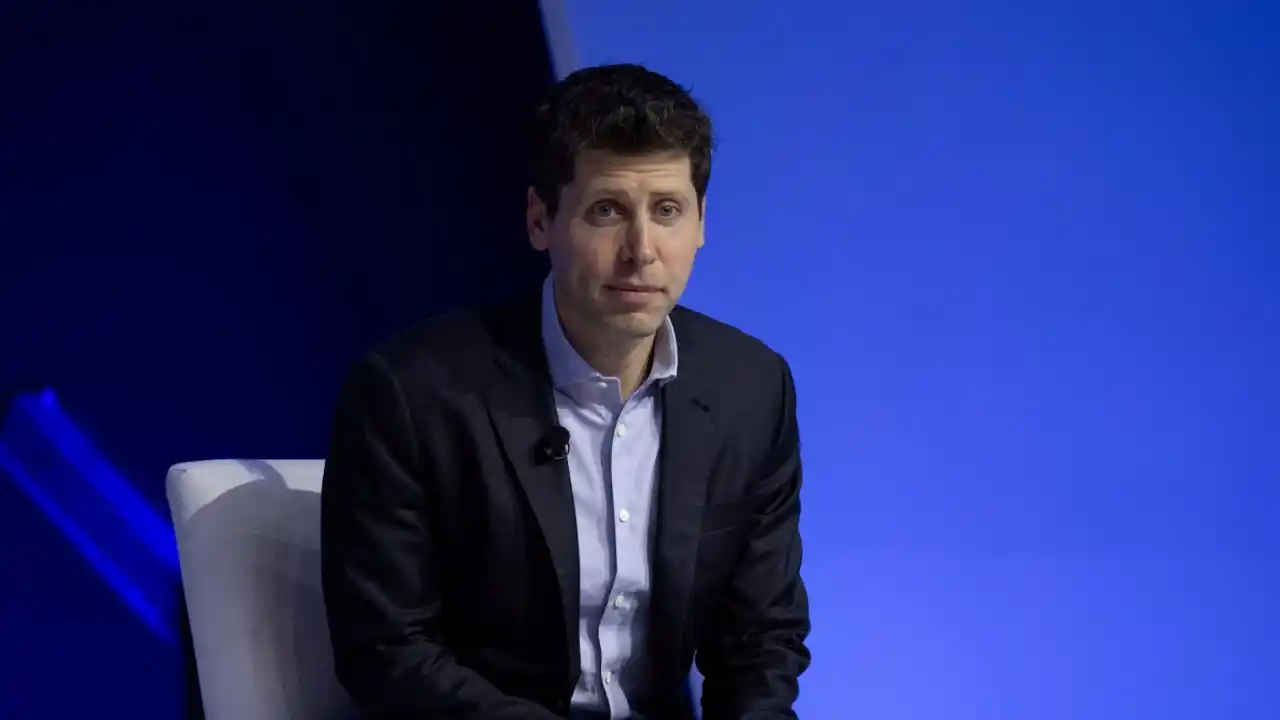

After Atlas, OpenAI is reportedly considering developing its own social media platform. According to reports citing sources, the company is working on an early-stage concept for a social network that prioritises conversations between real, verified individuals while explicitly limiting the presence of bots and automated accounts.
 Survey
The project is said to be in its early stages and is being managed by a small internal team. According to reports, no specific launch date has been announced. OpenAI has also not issued an official statement about it. Nonetheless, reports indicate that the ChatGPT developer intends to reduce the number of fake profiles, spam activity, and AI-generated engagement, which has become a major issue.
OpenAI’s social media platform will be different, focussing on identity verification. Instead of relying on traditional methods like phone numbers or email addresses, OpenAI is said to be looking into stronger forms of proof to ensure that each account belongs to a real person. These could include biometric checks like facial recognition via Apple’s Face ID or iris scanning via the World Orb, a device linked to the World Identity project backed by Tools for Humanity, chaired by OpenAI CEO Sam Altman.
Also read: OnePlus 13 price drops by Rs 12,000 on this platform: How to get this deal
According to the reports, these measures can limit large-scale bot activity, but they have also sparked internal debates about data security and privacy. Biometric information is considered particularly sensitive, and experts have already warned that misuse or leaks could have long-term consequences.
It should be noted that the platform’s future is uncertain, but reports suggest that it may allow users to create and share AI-assisted content, such as images and videos. That would put OpenAI in direct competition with established social media platforms like Instagram and TikTok, both of which are increasingly including AI-powered creative tools into their ecosystems.
This move could be the result of ongoing concerns about bot activity on existing platforms, particularly X. For the time being, the project has not been confirmed and may be shelved. But if OpenAI does move forward, it will be fascinating to see.


