
More peaceful than iPhone: Sam Altman hints OpenAI and Jony Ive’s AI device might be ready
 Follow Us
Altman compared the iPhone to today’s overstimulating tech, saying the new device aims for simplicity and peace.
The prototype is described as pocket-sized, possibly screenless, and built to filter information intelligently.
Ive said the product will balance sophistication with simplicity and should arrive within two years.
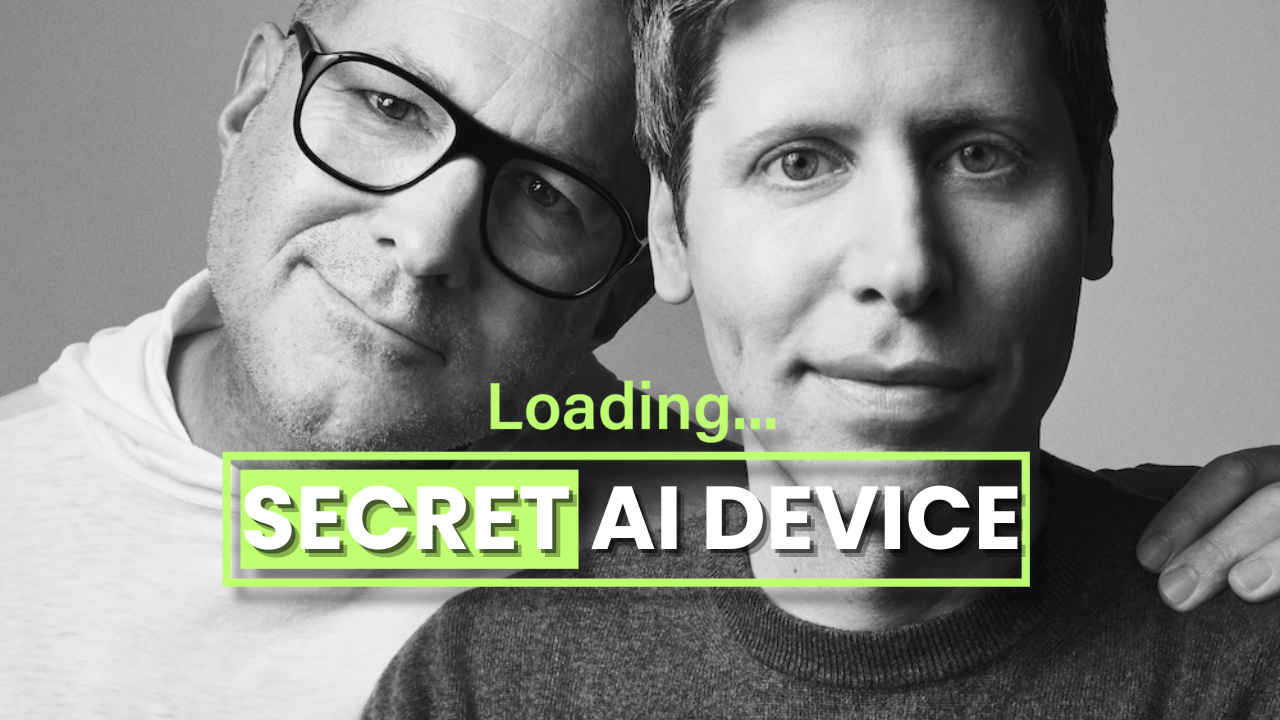

It’s no longer a secret that OpenAI is entering the hardware market. The AI startup has made headlines for joining forces with Jony Ive, a veteran designer who has previously worked for Apple, to develop some innovative AI products. While the company has not revealed which products are in development, OpenAI CEO Sam Altman has made yet another statement about its upcoming hardware product, raising eyebrows.
 Survey
Speaking at Emerson Collective’s Demo Day in San Francisco, Altman compared the company’s upcoming AI hardware device to the iPhone, calling Apple’s flagship smartphone the “crowning achievement of consumer products” so far, while arguing that the next era of personal technology must feel far more calming and less intrusive.
It must be noted that not much is officially known about the product, but it is widely assumed to be a screenless, pocket-sized device created by OpenAI’s acquisition of Ive’s design startup, io. Altman suggested that users might be surprised by how minimal the hardware appears. “When people see it, they say, ‘That’s it?’ It’s so simple,” he said, hinting at a form factor free of the visual clutter common in today’s consumer technology.
Altman compared the overload of modern devices with the experience he envisions for OpenAI hardware. He compared using modern apps to walking through Times Square, with “flashing lights,” constant noise, and endless interruptions. Instead, the AI device should create an environment that’s closer to “sitting in the most beautiful cabin by a lake,” offering peace rather than hyper-stimulation.
Altman stated that the device should be able to manage tasks over time and recognise “the best time to present information” or request input. It would eventually develop “incredible contextual awareness of your whole life,” he added.
Meanwhile, Ive described the design philosophy as striking a balance between sophistication and simplicity. “I love solutions that teeter on appearing almost naive in their simplicity,” he said, adding that the goal is for users to interact with the product naturally, “almost without thought.”
Ive confirmed that the device could be ready in under two years, which means we can expect the launch in 2027. However, it has not been confirmed at the moment.


