
Memory prices are going up 16GB RAM phones may be the first to go
 Follow Us
Rising memory prices may push 16GB RAM smartphones out of the market by 2026, with brands slowing or discontinuing high-RAM variants.
Hardware upgrades could stall, as manufacturers keep the same RAM configurations across generations to control costs.
Mid-range and budget phones will be affected, with 8GB becoming the cap for many mid-range models and 4GB making a comeback in entry-level devices.
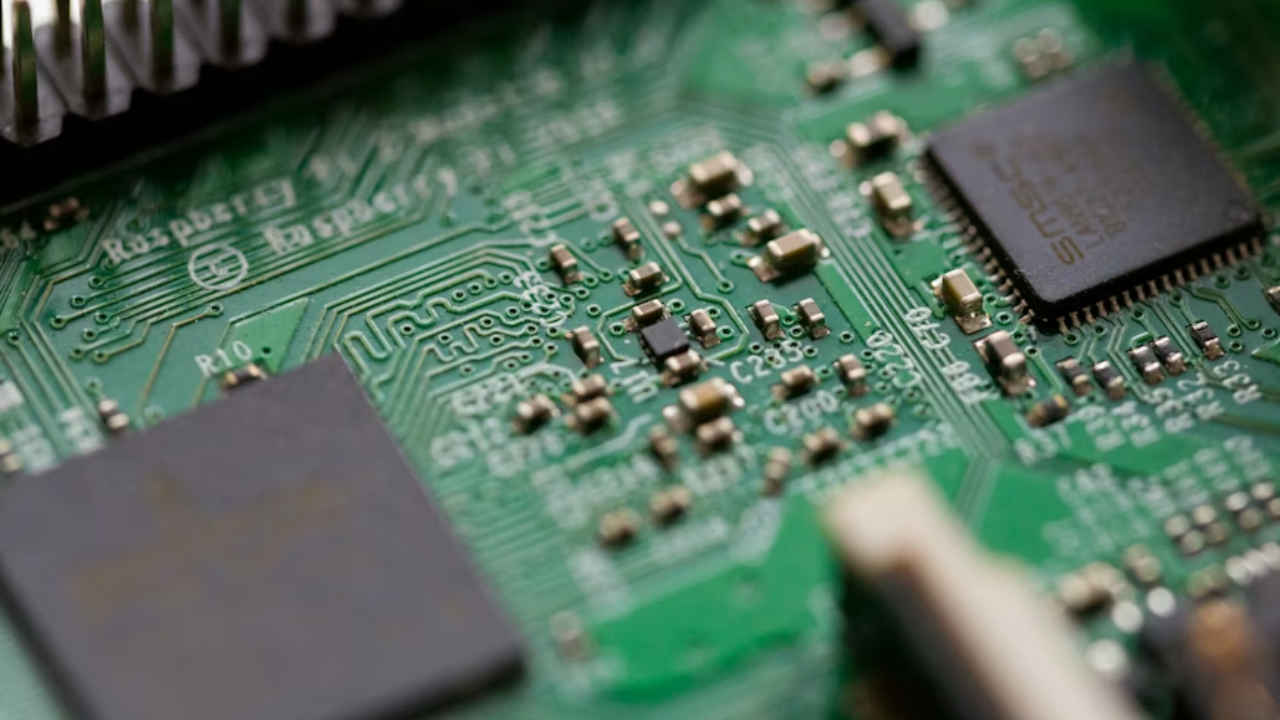

Smartphone brands around the globe are running into a problem, and it can’t be patched using clever marketing. As the shortage of the memory components increases, the prices of the memory chips are also going up. There have even been reports suggesting that Samsung’s memory division prioritised external buyers over its own smartphone manufacturing arm, as higher profits were available elsewhere. What was initially seen as a temporary disruption now appears far more serious, with industry reports indicating that the pressure on supply chains could persist for several years.
 Survey
TrendForce recently reported that it’s likely that high-end smartphones will slow their transition to 16GB of RAM and may become a rarity by 2026. Some tipsters have gone a step further, suggesting that brands may quietly discontinue these variants altogether. We also believe that if the global shortage of the memory chips continues, then in the long run the effect can also be seen in the 12GB models, which currently are sitting comfortably in the upper mid-range and flagship space.
Also read: Is iPhone 17 getting a price hike in India? Here is the truth
The industry may also experience a slowdown in year-on-year hardware upgrades, even in the flagship segment. As a result, smartphone manufacturers may choose to hold the line by maintaining the same RAM configurations across multiple generations of devices, rather than consistently pushing specifications forward.
The ripple effect of this will soon also be visible in the mid-range and budget segments as well, as the devices that now come with 8GB or 12GB RAM options may get capped lower. Analysts also indicated that the mid-range smartphones may soon be topped out at 8GB RAM, while entry-level and lower-priced models could see a return of 4GB variants. Now, it may feel like an unwanted comeback, but it’s driven less by choice and more by economics.
Also read: Realme Narzo 90 5G and Narzo 90x 5G launched in India: Check price and specifications
The signs of the global memory shortage are already visible across the industry, as several smartphone brands have either raised prices recently or hinted at doing so after launch. Even major players like Samsung and Apple are likely to follow the trend, with rumours suggesting that the smartphone makers are thinking of weighing price adjustments for upcoming models, including popular mid-range phones and flagship devices.
The root cause of the global memory chip shortage is the rapid expansion of artificial intelligence. Smartphones are now competing to offer AI features that attract buyers, and consumers are increasingly willing to pay more for AI-enabled devices. This has caused the demand for AI memory chips to increase dramatically.
Also read: Apple iPhone 16 Pro price slashed by over Rs 15,000 on this platform
At the same time, global tech giants are building massive data centres to support AI workloads and are willing to pay a premium for memory components. As a result, manufacturers are prioritising these higher-margin customers, which reduces the supply of memory chips for consumer electronics such as phones, laptops, and PCs.


