
Is someone threatening to leak your private photos? Here is what you should do
 Follow Us
Keep screenshots, phone numbers, usernames, profile links and payment demands before blocking the blackmailer.
File a complaint through the National Cyber Crime Reporting Portal or contact the cybercrime helpline at 1930.
Use Nyaya Setu for legal guidance and StopNCII.org if intimate images have already been shared online.
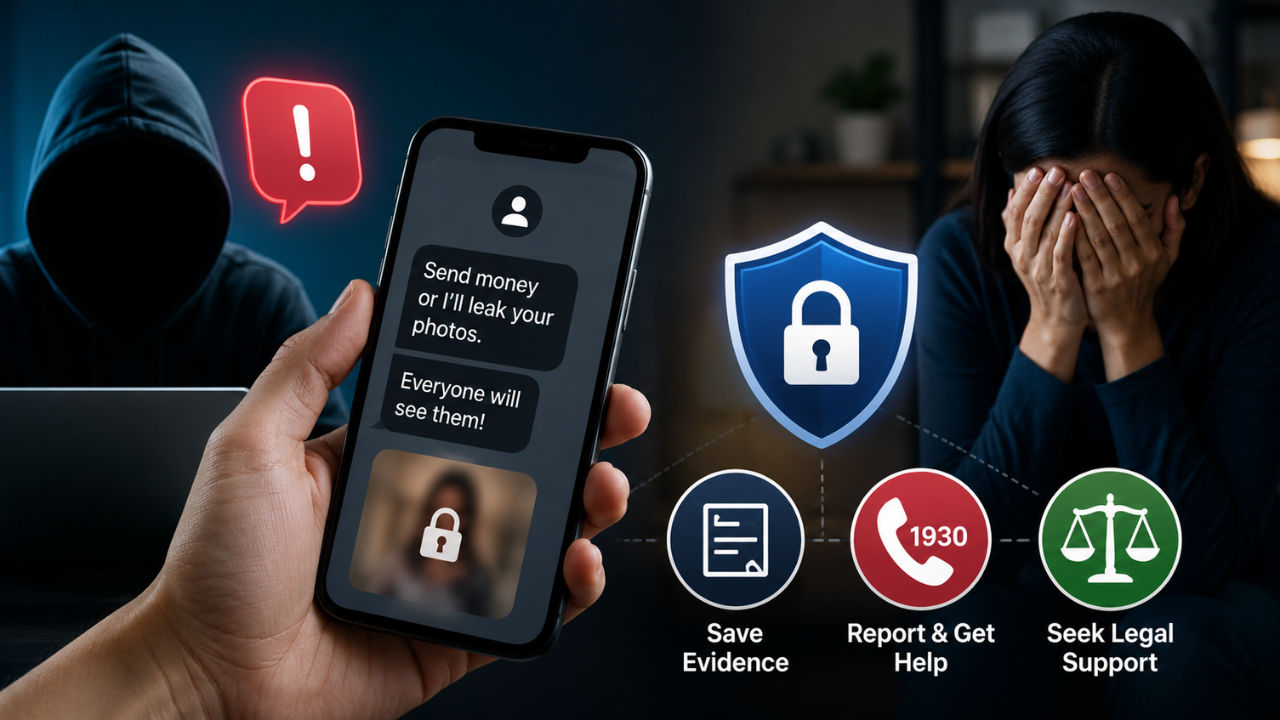

If you are someone who has been facing threats of leaking private photographs, then it is definitely blackmail or extortion. But paying the person or sending more images is unlikely to make the situation stop. All you need to do is preserve evidence, report the incident to cybercrime authorities and seek legal assistance if necessary.
 Survey
The first step is to save screenshots of the conversations, including phone numbers, usernames, profile links, payment demands and any other details that could help identify the accused. Avoid deleting the messages before preserving the evidence.
What should you do?
The victim can file a complaint through the National Cyber Crime Reporting Portal or contact the cybercrime helpline at 1930. A complaint can also be made at the nearest police station or cybercrime cell.
When you are filing a complaint, always offer as much information as possible about the person making the threats, including their phone number, social media account, WhatsApp number or bank details if money was demanded.
Nyaya Setu legal guidance
The people who are seeking legal assistance can also use the government’s Nyaya Setu platform. The service provides access to legal information and can connect eligible users with lawyers through the Tele-Law system.
Also read: ChatGPT gets Google Drive support, reservation search and other new features: Here is what is new
The users can explain their situation through the platform’s AI assistant, Dishika, and seek information about the available legal options. Depending on the case and eligibility, users may also be connected with panel lawyers for further assistance.
What if your photos are already online?
If the intimate images have already been shared online, victims can also use StopNCII.org, a free service designed to help prevent the spread of non-consensual intimate images on participating platforms.
The service creates a digital hash of the selected images on the user’s device rather than uploading the original photographs. Participating platforms can then use the hash to identify matching uploads and take action under their policies.
Victims should also report the specific posts or accounts directly to the platform where the images appear. Most importantly, do not pay the blackmailer or agree to further demands.


