
India unveils EV policy to attract global giants: All you need to know
 Follow Us
The Government of India has greenlit an EV policy, in an attempt to promote EV manufacturing.
Companies investing a minimum of USD 500 million in manufacturing facilities for EVs will receive duty concessions.
The government not only wants to promote local manufacturing but also aims to boost the Make in India initiative.
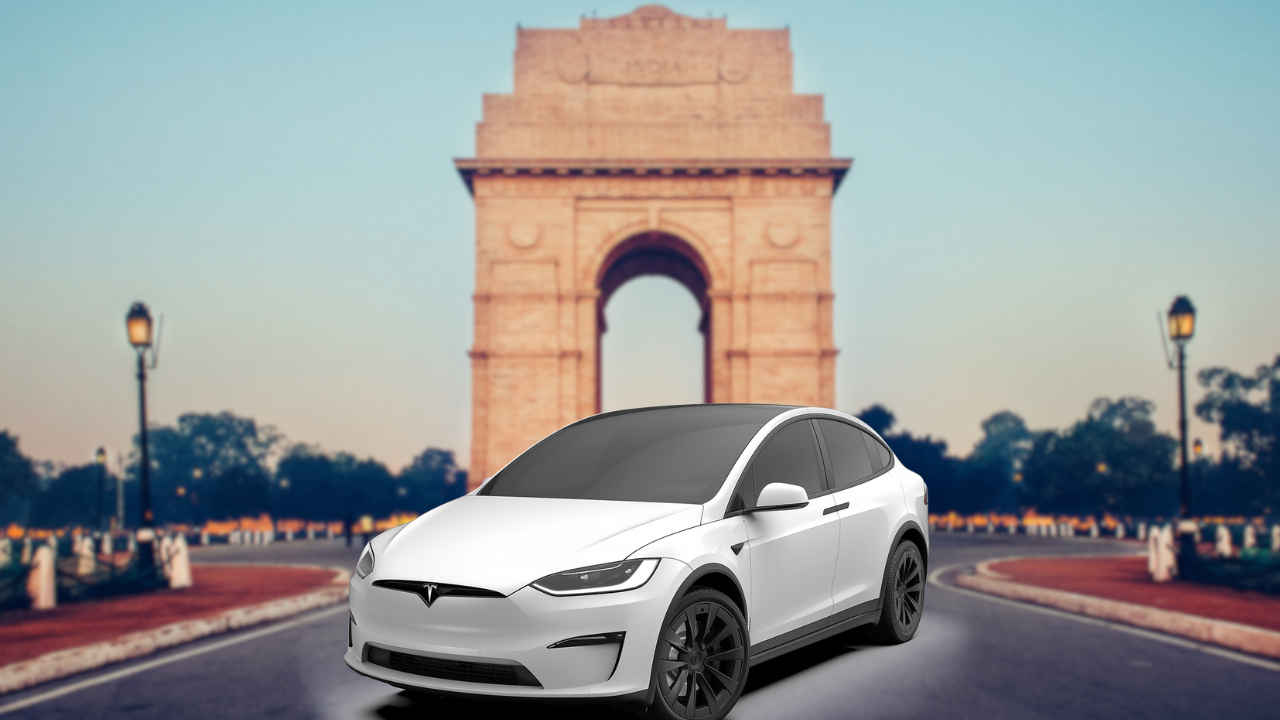

The Government of India has greenlit an EV policy, in an attempt to promote EV manufacturing within the country. This policy aims to provide incentives to big companies such as Tesla to establish manufacturing units within India. The government plans to change the country’s EV atmosphere with this move.
 Survey
So what is the EV policy?
This policy states that companies that invest a minimum of USD 500 million in manufacturing facilities for e-vehicles will receive duty concessions. This is a well-thought-out move as it is aimed to attract big players in the EV manufacturing market to India and pitch the country as a premier destination for EV production.
Also read: India’s EV future prospects from the Formula E race in Hyderabad
This policy has more incentives as it also allows companies to import a limited number of EVs at lower customs duty. The importance of domestic value addition (DVA) is reflected here wherein companies are required to achieve 50% DVA within five years. Further, a bank guarantee reinforces the idea in order to ensure compliance with investment and DVA criteria.
With this EV policy, the government not only wants to promote local manufacturing but also aims to boost the Make in India initiative, build healthy competition among EV players, and further reduce its reliance on imported crude oil.
Also read: Mobile to automobile, Xiaomi seems to offer it all: 3 leaked features of company’s first EV

The EV market in India is projected to reach one crore units in annual sales by 2030. This policy aims to work on this growth potential. This could generate five crore direct and indirect jobs and eventually drive economic development while addressing environmental concerns.
This policy could work out in India’s favour as we are in the middle of an EV revolution currently.


