

India Post update address scam: Do not respond to fake delivery messages or else you might lose your life savings, tips to stay safe
 Follow Us
Fake India Post SMS claiming failed delivery are circulating, urging users to update addresses via suspicious links.
PIB Fact Check has clarified that India Post never asks for address updates or payments through SMS links.
Clicking such links can lead to phishing websites that steal bank details, Aadhaar information, and OTPs.
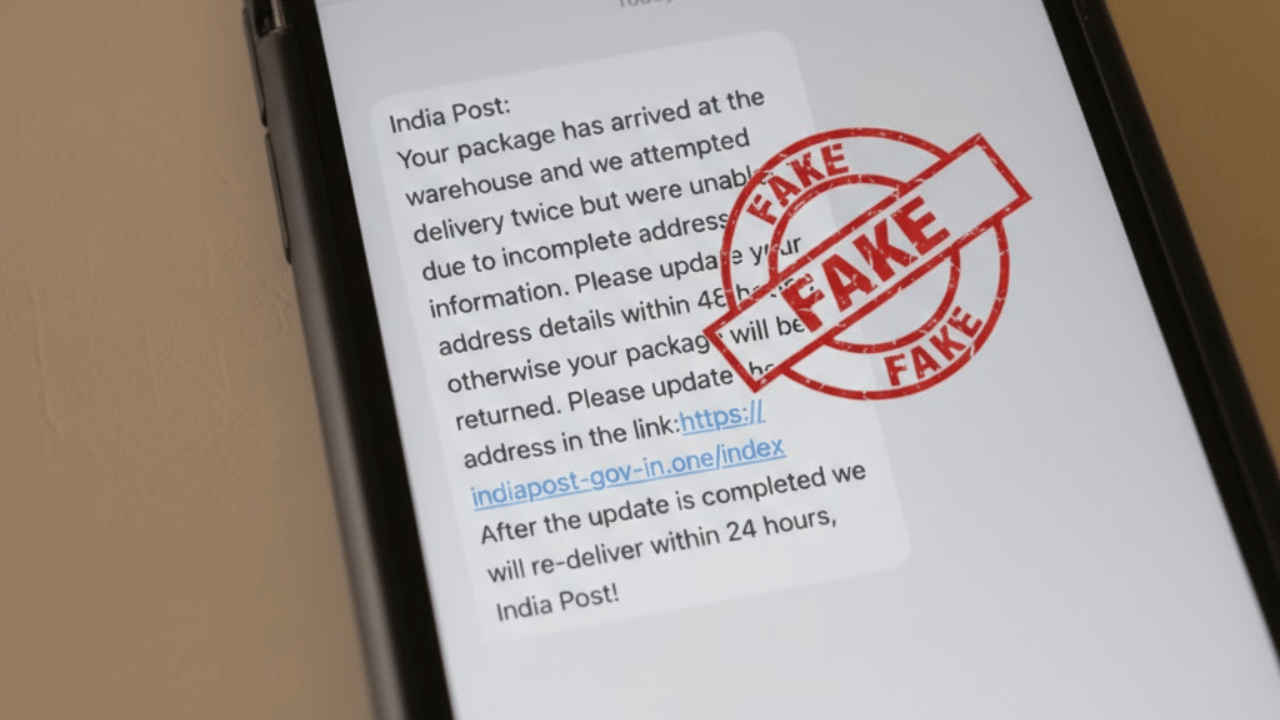

Many Indians are receiving SMS that claim their parcel has arrived at an India Post warehouse but could not be delivered due to an incomplete address. The message asks recipients to update their address within a limited time to avoid the package being returned. At first, the SMS seems real and can make people worried. It says that delivery attempts have failed and that you need to act quickly, usually by updating your address through the link in the message. However, the India Post officials and the PIB have clarified that the message is fake and designed to trick people into giving their financial and personal information.
 Survey
Also read: Apple iPhone 16 Plus available with over Rs 21,500 discount on this platform
The government’s fact-checking agency, PIB Fact Check, has recently warned the Indian users about a new scam related to the India Post. In a tweet shared by the official account of PIB Fact Check on X (formerly Twitter), the agency shared that India Post never sends SMS messages asking customers to update address details through links. They also clarified that any message making such claims should be treated as a scam. Furthermore, the officials have also advised people not to share personal information like Aadhaar numbers, bank details, or OTPs on unknown websites.
Have you also received an SMS stating that your package has arrived at the warehouse, further asking you to update your address details within 24 hours to avoid the package being returned❓#PIBFactCheck
— PIB Fact Check (@PIBFactCheck) February 10, 2026
❌ Beware! This message is #Fake
✅ India Post never sends such… pic.twitter.com/bqY6EFzyyX
The fake India Post SMS usually contains a phishing link, and once you click it, you’re redirected to a website that closely resembles the real India Post website. At the website you’ll be asked to update your address, and following that you’ll be asked to pay a small amount of money.
The message on the website usually says that once you make the payment, your address will be updated and posts that your parcel will be delivered again within 24 hours. However, once you enter the financial details and make the payment, you unknowingly share your bank details with the scammers.
As online shopping and courier services are now common, these delivery scams are increasing. Scammers use the fear of missing a parcel to trick people into sharing important information. Cyber experts say that the scammers try to create a sense of urgency so people act quickly without checking the message. They further added that the users need to be smart and should not click the unknown links.
Also read: Samsung Galaxy Unpacked 2026: Date, India timings, pre-reservation benefits and what to expect
How to be safe from fake delivery messages
Follow the easy tips below to be safe from fake India Post-delivery message scam:
- Always check who sent the SMS. Real India Post messages usually come from official names like INPOST-G.
- Do not click on links in messages from unknown or suspicious numbers.
- If you are waiting for a parcel, go directly to the official India Post website and track it using your tracking number.
- If the website shows that delivery failed, you can visit the nearest India Post office and collect your parcel.
- Never share your personal details, bank card information, or OTP with unknown websites. Government offices do not ask for such details through SMS.
- If you get a fake message, report it to the cybercrime helpline or inform PIB Fact Check through their official social media pages.


