
Humanoid robots, smart jewellery and more: OpenAI is now working on AI gadgets
 Follow Us
OpenAI has filed a trademark application with the US Patent and Trademark Office (USPTO), and it hints at some exciting new projects.
The application reveals that the company might be working on hardware, including headphones, smart glasses, smartwatches, virtual and augmented reality headsets, and even smart jewellery.
Among the details in the trademark filing are mentions of humanoid robots.
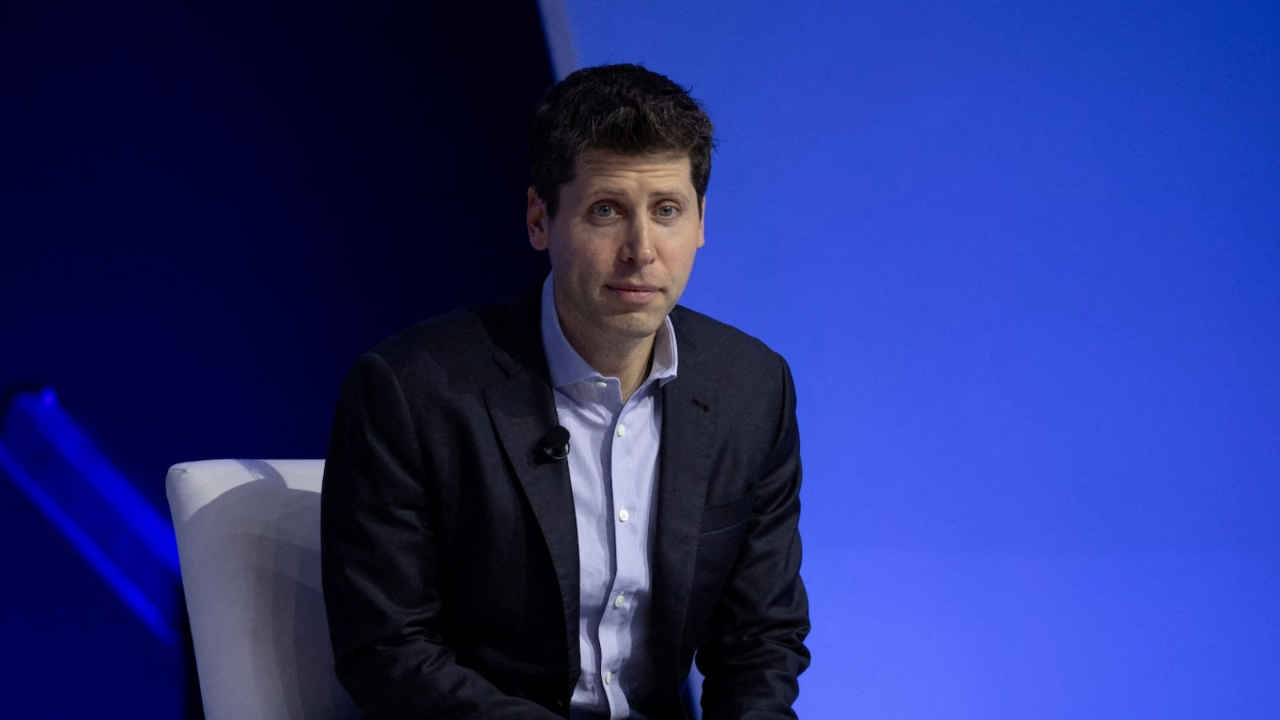

OpenAI, the company behind the popular AI chatbot ChatGPT, has filed a trademark application with the US Patent and Trademark Office (USPTO), and it hints at some exciting new projects. While filing for trademarks is common for companies, this one stands out because of the range of products OpenAI is exploring. The application reveals that the company might be working on hardware, including headphones, smart glasses, smartwatches, virtual and augmented reality headsets, and even smart jewellery.
 Survey
This move follows OpenAI’s collaboration with Jony Ive, the former Apple designer, on a hardware project. OpenAI’s CEO, Sam Altman, also mentioned recently that the company plans to develop AI-powered consumer gadgets in partnership with multiple companies. However, he cautioned that it might take several years before even a prototype of these devices is ready for release.
Also read: OpenAI CEO Sam Altman to meet PM Modi this week: Here is everything we know so far
Among the more surprising details in the trademark filing are mentions of humanoid robots. According to the application, OpenAI is specifically working on “user-programmable humanoid robots” that could communicate and learn to assist and entertain people (via TechCrunch).
The company has already started recruiting for a robotics team, led by Caitlin Kalinowski, a former Meta executive. Job listings suggest that OpenAI aims to create robots with human-like intelligence that can perform tasks in real-world environments.
OpenAI’s trademark filing also references custom AI chips and services for quantum computing. It’s been rumoured for some time that the company is working on custom chips designed to run its AI models. Reports indicate that OpenAI is collaborating with semiconductor giants like Broadcom and TSMC, with plans to release these chips by 2026.
Also read: OpenAI faces legal heat in India, here’s why
While the trademark filing reveals some exciting possibilities, it’s important to remember that such applications are often written to cover a broad range of ideas. This means that while these innovations could eventually become a reality, it might take time before they hit the market, or in some cases, the products might not be released at all.


