E-Magazine
Claude AI helps scientists uncover 40 year old mystery surrounding vault-like proteins, check details
Claude identified vault-like proteins across 29 bacterial groups and four archaeal groups.
Researchers mapped the first 3D structure of a prokaryotic vault protein using Claude.
Claude reduced protein isolation time from three days to just 90 minutes, accelerating research.
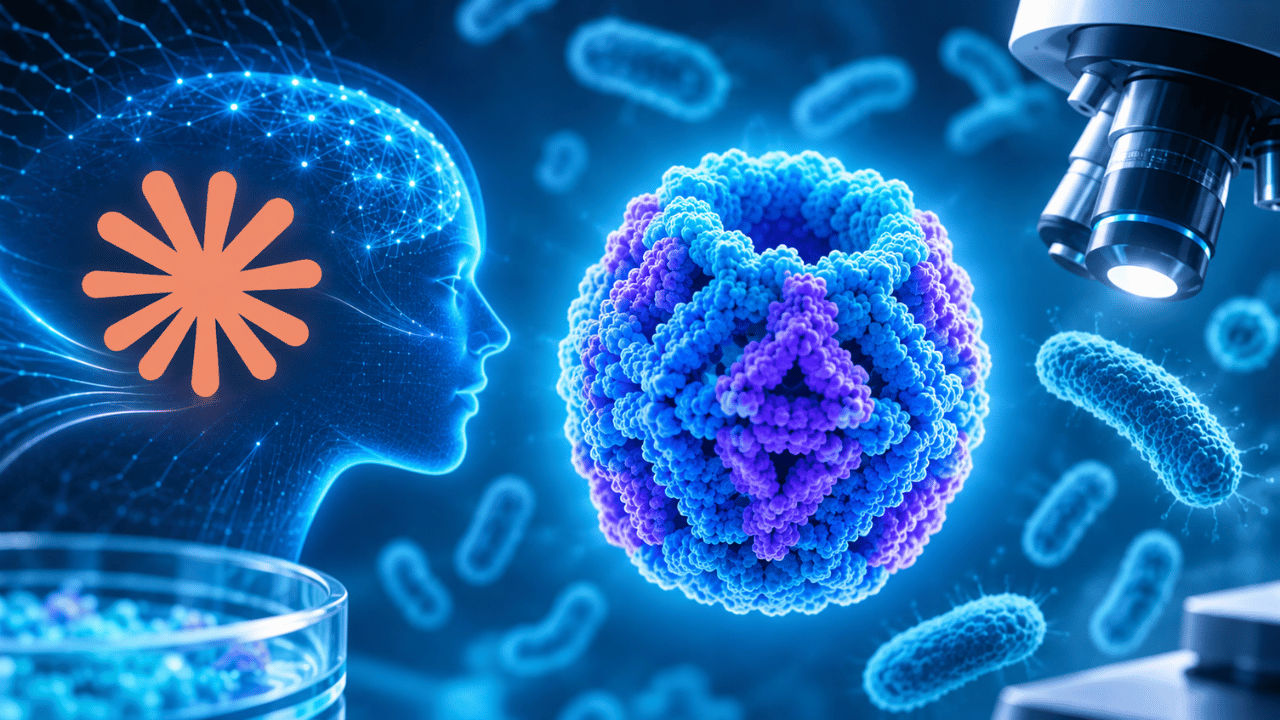
Anthropic’s biology research team has recently uncovered the first 3D structure of a vault-like protein particle in prokaryotic cells. For the unaware, vaults are large, hollow protein structures which are found across many living organisms. However, the exact purpose of these remains unknown despite decades of research. According to the shared details, Claude helped the team identify previously overlooked proteins, developed a faster method to isolate them and mapped their structure using advanced imaging. Follow along with the article to learn everything you need to know about the new discoveries on vault particles using Claude AI.
Anthropic discovers vault like structures
Researchers Leonard Rome and Nancy Kedersha were the first to discover vaults in 1986. They are barrel-shaped structures which are found in organisms ranging from simple slime molds to humans. However, the biological role of these structures remains unclear even after years of research.
Until now, researchers had mainly studied vaults in complex cells but Anthropic's team have recently found that related proteins are also present in bacteria, archaea and bacteriophages, viruses that infect bacteria. By studying these simpler biological systems, researchers hope to understand how vaults evolved and what they actually do.
Claude AI helps map the first Prokaryotic Vault structure
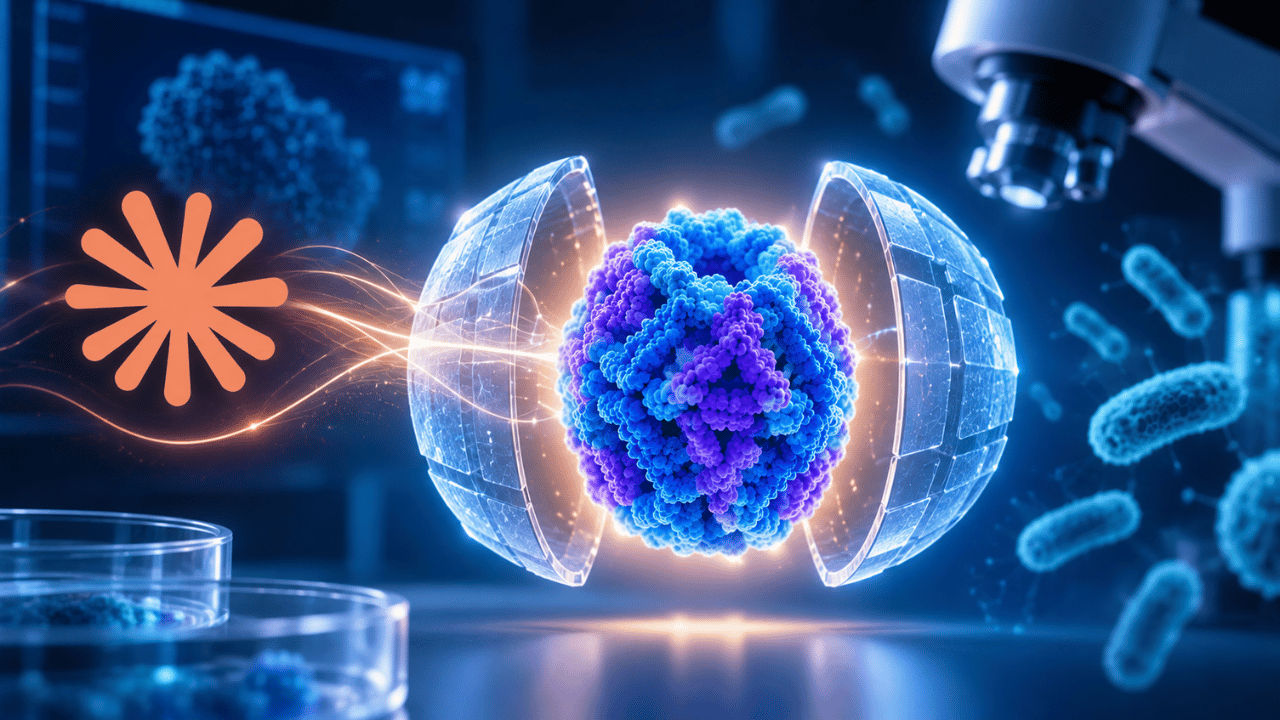
The team used Claude to search a database containing around 15 billion predicted proteins and identified vault-related proteins across 29 major groups of bacteria and four groups of archaea.
Researchers tested 44 selected proteins, of which seven formed vault-like particles. Four were confirmed to have the expected shape using cryo-electron microscopy.
The team selected a bacteriophage protein called L05 for detailed analysis. Its vault consists of 96 copies of a single protein and measures approximately 54nm long and 45 nm wide.
Claude also helped researchers speed up the isolation process. A conventional method that takes around three days was replaced with an approach that took approximately 90 minutes.
Larger Vaults could open new possibilities
Researchers also modified the L05 protein to understand how vaults assemble. By adding two extra repeating segments, they created larger particles with around 20 per cent more internal volume.
The team believes these structures could eventually serve as tiny containers for delivering enzymes and other molecules. However, their natural function remains unknown. Researchers also identified an unidentified molecule inside the protein structure that resembles coenzyme A, offering another possible clue.
Anthropic needs you
Anthropic has also released the findings in a technical report and has urged people to help them understand what the vaults might be doing. Eligible users can reach out to the company via mail on mdurrant[at]anthropic.com, nicholasp[at]anthropic.com.