Apple buys Israeli startup Q.ai in push towards hands-free AI wearables
 Follow Us
Apple confirms it has acquired Q.ai, a Tel Aviv-founded audio AI startup with “silent speech” research.
The deal is supposedly valued at about $1.6bn
Q.ai tech works by interpreting whispered or mouthed words and analysing facial micromovements


Apple has acquired Q.ai, a secretive Israeli startup working on artificial intelligence for audio, in a move that signals fresh urgency around on-device AI experiences and the next wave of wearables. Apple confirmed the acquisition on Thursday but did not disclose financial terms. A source familiar with the matter told Reuters, who first reported the story, that the deal valued Q.ai at about $1.6 billion, putting it among Apple’s larger purchases in recent years. Some analysts have reported a valuation closer to $2 billion.
 Survey
Apple also gave a clearer hint of what it bought Q.ai for than it typically does. The company said the startup has worked on machine learning applications that help devices understand whispered speech and improve audio in difficult environments.
Public filings suggest ambitions that go beyond cleaner voice pickup. Q.ai filed a patent application describing the use of “facial skin micromovements” to detect words that are mouthed or spoken, identify a person, and assess indicators such as emotions, heart rate and respiration. In practical terms, this points to a future where headphones or glasses could infer what a user is trying to say without them speaking out loud, potentially enabling more private interactions with an AI assistant.
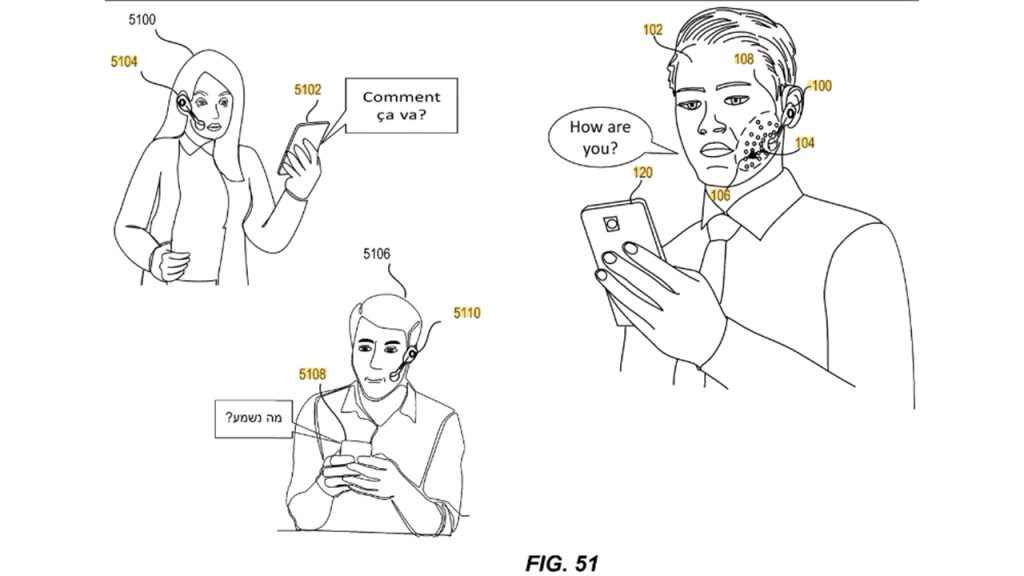
All of Q.ai’s roughly 100 employees will join Apple, including chief executive Aviad Maizels and co-founders Yonatan Wexler and Avi Barliya. Maizels previously founded 3D sensing firm PrimeSense, which Apple acquired in 2013, technology that later contributed to Apple’s shift from fingerprint sensors to facial recognition on iPhone.
The purchase lands as big tech rivals push AI further away from keyboards and phone screens. The acquisition falls within a broader effort to build wearables that act as an always-available interface to AI, with Meta’s smart glasses an early proof point and Google and Snap also preparing smart-glasses efforts.
For Apple, the timing also matters because the company is under pressure to show that its AI strategy can translate into everyday, useful hardware experiences, not just software features.


