
YouTube cannot proactively track or block unauthorised court hearing videos, says Google
 Follow Us
Google says YouTube cannot monitor every uploaded video.
YouTube removes content after specific legal requests.
Google says checking millions of videos is not possible.
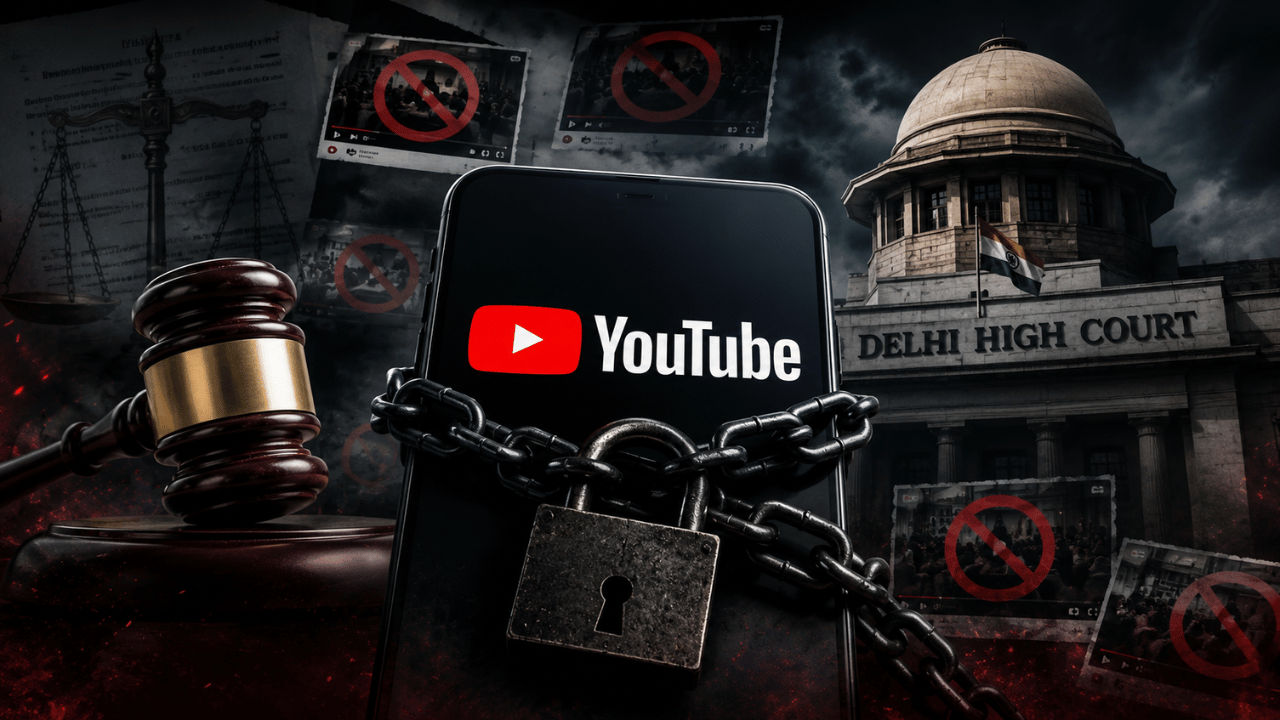

Google has recently told the Delhi High Court that it cannot monitor YouTube or stop the re-upload of unauthorised recordings of court proceedings. The Mountain View-based tech giant argued that such a direction is neither legally sustainable nor practically possible. In an affidavit filed before the court, the company said YouTube functions only as an intermediary and does not create or control videos uploaded by users. It maintained that the platform can remove content only after specific videos are identified and declared unlawful by a competent court. The submission came in response to a public interest litigation seeking action against the circulation of videos from a recent Delhi High Court hearing involving former Delhi Chief Minister Arvind Kejriwal.
 Survey
Google vs Delhi High Court
Google recently filed an affidavit in response to a Public Interest Litigation (PIL) filed by advocate Vaibhav Singh. The PIL was filed after videos of an April 13 court hearing before Justice Swarana Kanta Sharma were shared on social media. The hearing was about Arvind Kejriwal’s request for the judge to step away from hearing the excise policy case.
Also read: India mulling AI law to tackle deepfakes, cyber attacks and accountability gaps
Google told the court that many of the YouTube videos mentioned in the case had already been blocked in India or removed before the court passed its interim order. After the court’s directions, the remaining videos were also blocked. Google also said that the petitioner has not reported any new video links since then.
Earlier, the Delhi High Court said that recording and sharing court proceedings without permission is a serious concern for the judiciary. The court directed online platforms to remove such content whenever specific links are brought to their attention.
YouTube cannot decide what is unlawful
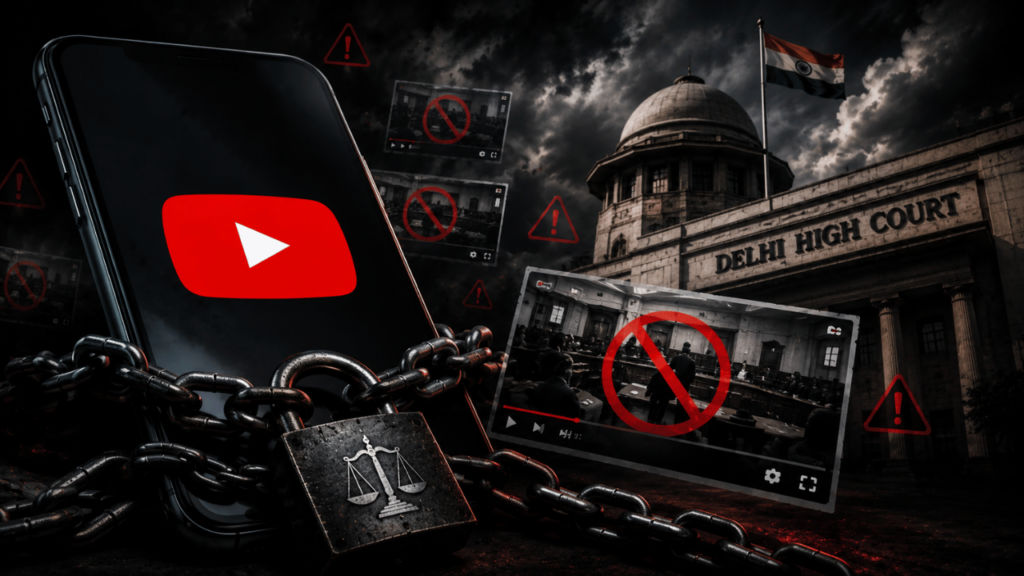
Google told the Delhi High Court that videos of court hearings are recorded outside YouTube and uploaded by other users. It said it cannot tell if a video contains court proceedings, whether the recording was allowed by the court, or if it breaks any law. Google also said that rules for recording court proceedings are different in different courts across India.
Also read: WhatsApp may soon make it easier to see who is online on iPhone
The company said that examining millions of videos uploaded to YouTube to identify possible violations is practically impossible, and they can’t do that. They further added that intermediaries cannot be expected to perform the role of deciding whether content is legal or illegal without a court order.


