
 E-Magazine
How to fill Census 2027 form online: Step-by-step guide
Fill out the Census 2027 form online from home.
Self-enumeration is open in four states until November 30, 2026.
The online form includes 40 questions in 16 Indian languages.
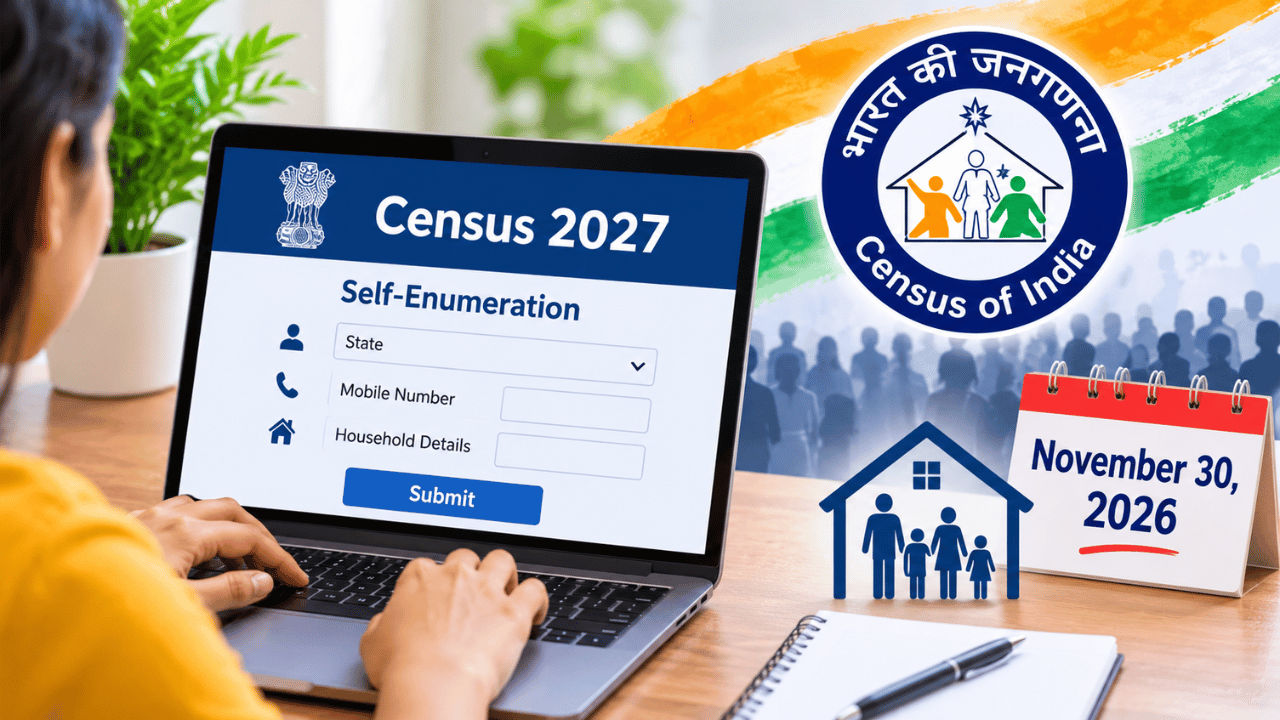
The Indian government has once again started the Census process for the year 2027. During this time, the government authorities officially and systematically count the population and collect related demographic, economic, and social information. While the process is conducted by enumerators visiting households, the government has also introduced a self-enumeration facility allowing the residents of the country to fill out the census form using a smartphone, laptop or computer. The facility has already started in Uttar Pradesh, Punjab, Goa and the non-snow-bound areas of Uttarakhand. Here is everything you need to know about filling out the census form online and how you can self-enumerate.
Prerequisites
The following are some of the requirements that you should take care of before you start the online Census process:
- Keep in mind that you need to have a good internet connection throughout the process.
- Your mobile number should be active, preferably the one registered during Phase I, since you will use it to log in.
- Basic information about one’s household and family members.
- Access to the official Census Self-Enumeration portal.
- The facility has already started in Uttar Pradesh, Punjab, Goa and the non-snow-bound areas of Uttarakhand. It will remain available till November 30, 2026, in these areas.
How to self-enumerate for Census 2027 from home
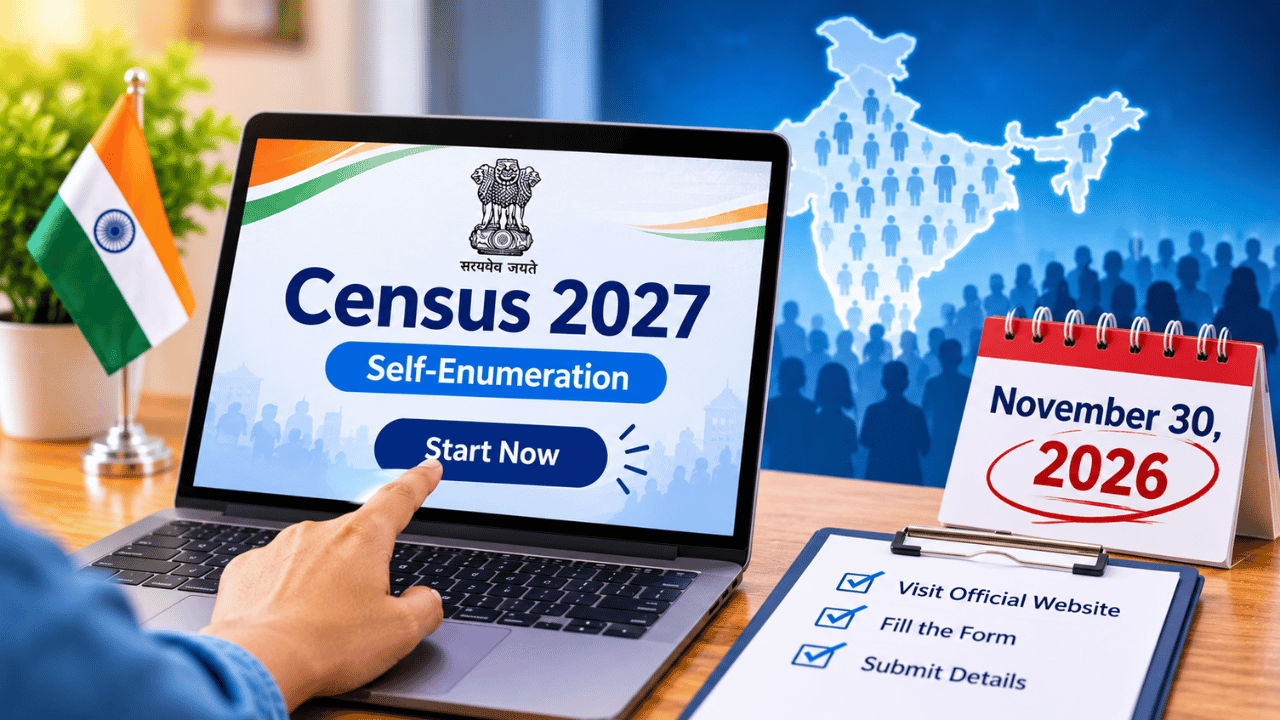
Now that you’ve got all the things ready with you, follow the easy steps below to fill out the Census form online:
- Launch your web browser and visit the official Census website at https://se.census.gov.in.
- Look for the Self-Enumeration option and select it.
- Select your state, then enter your mobile number and other details as instructed.
- Identify your location on the map.
- Enter the details about your house and family members.
- Once filled, carefully review all the answers before proceeding.
- Now, submit the form.
Once you have submitted the form successfully, you will be provided with a unique SE ID number. It is important that you keep this ID safe because it will be needed when the Census officer visits your place to match your online submission with the Census process.
Benefits of an online census
Self-enumeration makes things easier as it allows users to participate in the 2027 census from the comfort of their home. Not only that, but families also get time to fill in their information at their convenience, before the enumerator’s door-to-door visit.
FAQs
Q. How many questions will the online Census form have?
Ans: The online Census form will have 40 questions. It will be available in 16 Indian languages.
Q. When will the online Census begin in other states?
Ans: In the remaining states and UTs, self-enumeration will take place from January 10 to 24, 2027. Door-to-door enumeration will begin on January 25 and continue until February 28, 2027. In Uttar Pradesh, Punjab, Goa and non-snow-bound Uttarakhand, door-to-door enumeration will run from December 1, 2026 to January 4, 2027, followed by a revisional round from January 5 to 9, 2027.
Q. Will the information remain safe?
Ans: Yes. The government will keep all information confidential under the Census Act, 1948. The data will be used only for statistics and development planning. Self-enumeration is voluntary and will not replace the door-to-door visit. Those who do not submit their details online will be covered by enumerators during their household visits.

Bhaskar Sharma Bhaskar is a Senior Copy Editor at Digit India who keeps a close watch on everything shaping the world of technology from smartphones and home appliances to AI, government tech initiatives, digital safety, and the latest industry developments. Whether it's breaking news, in-depth features, hands-on reviews, practical how-to guides, or exclusive scoops, he translates complex tech into stories that are easy to understand and worth reading. His work has been featured in iGeeksBlog, GuidingTech, and other leading publications. Before joining Digit India, he served as an assistant editor at TechBloat. A B.Tech graduate and full-time tech journalist, he is driven by just one goal, which is to help readers stay informed, stay secure, and stay ahead in an ever-changing digital world.
View full profile