
Govt asks Meta to stop WhatsApp username feature rollout in India: Here is why
 Follow Us
WhatsApp usernames will let users connect without sharing phone numbers.
The government is examining the feature over possible scam and impersonation risks.
WhatsApp says it has added safety measures, including username protection and reporting tools.
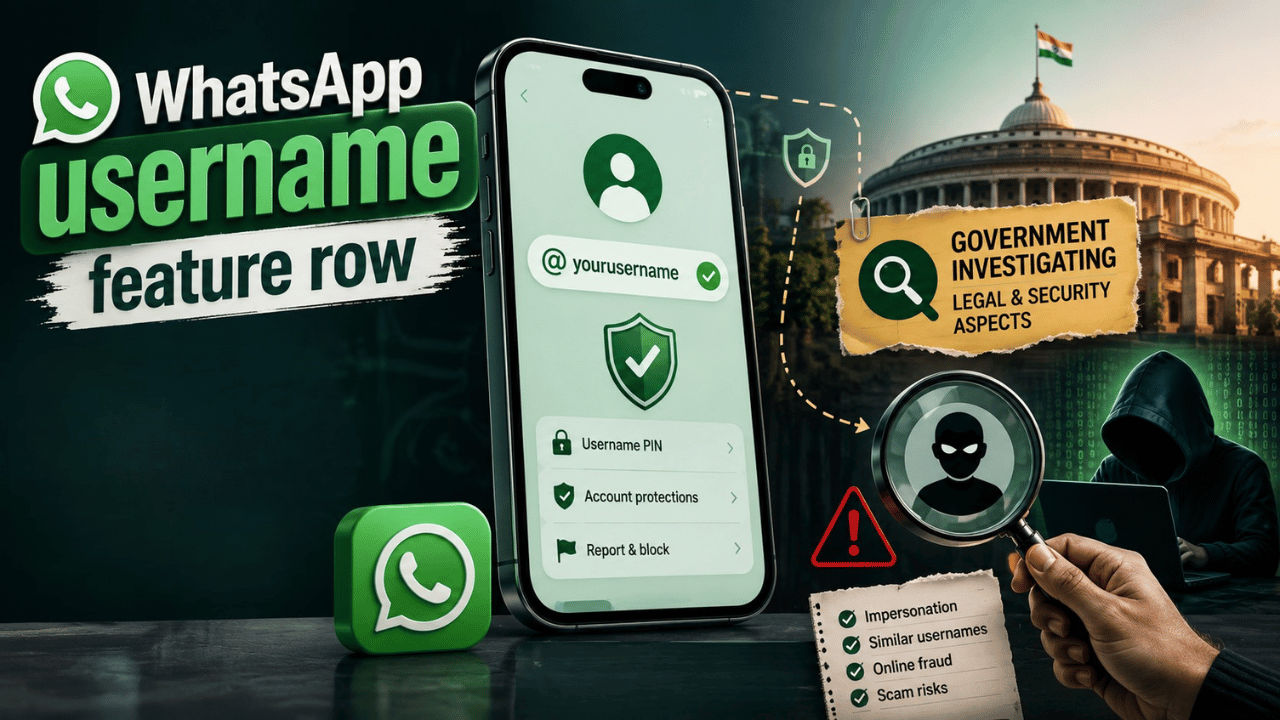

The Indian government has asked Meta to pause the launch of WhatsApp’s new username feature until it completes discussions on its privacy and security impact. Furthermore, the government has also sought a detailed explanation from the company on how the feature will work and what steps it will take to prevent misuse. The proposed update would let people connect on WhatsApp without sharing their mobile phone numbers, giving users more privacy. However, officials are reviewing whether this could also make it easier for fraudsters to hide their identity or impersonate others. Here’s everything you need to know about the new WhatsApp username feature row.
 Survey
WhatsApp username feature row
WhatsApp has recently rolled out a new feature called ‘Username‘, which will help in improving a user’s privacy. The feature is said to break the anomaly of WhatsApp, where users had to provide their phone numbers to connect with other individuals over the messaging app. However, now you can just share your unique username rather than providing your phone number to anyone you’re connecting with on WhatsApp.
The Username feature is expected to be very useful, especially when you’re communicating with new people, large groups, and businesses, as it provides an added layer of security without compromising on the ease of contacting other individuals. Officials are reviewing whether fraudsters could use usernames to impersonate individuals or organisations and make it harder for law enforcement agencies to trace suspicious accounts. The government has asked Meta to explain the feature and has directed the company not to launch it in India until the ongoing review and consultations are complete.
Also read: Researcher used Claude to get free backstage passes to every major US music festival
What did WhatsApp say?
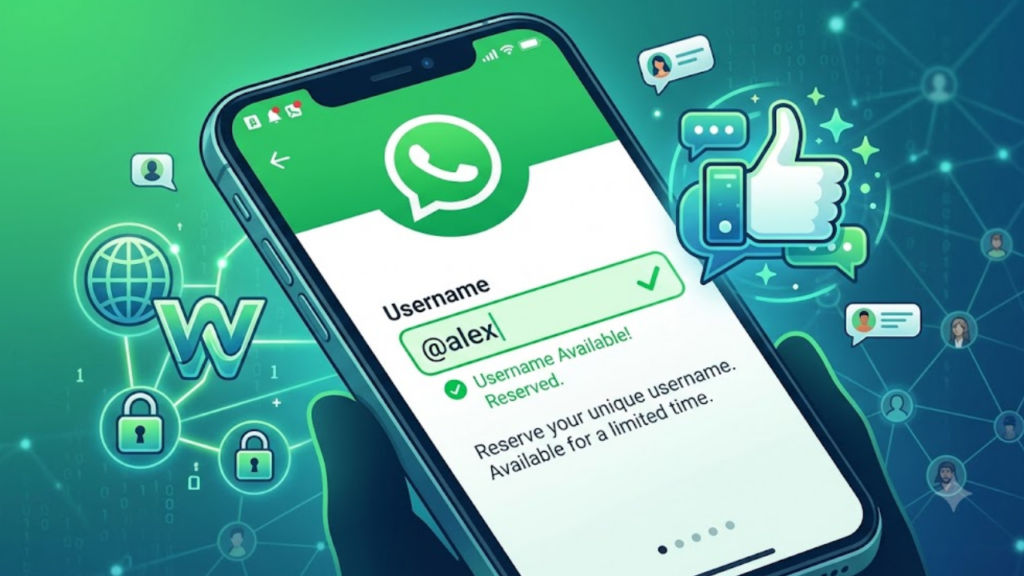
Our sister company Times Now reached out to WhatsApp to understand how the platform plans to prevent the misuse of usernames. Responding to the concerns, the messaging platform said that they have introduced several protections to reduce the risk of impersonation and scams. For example, they have reserved existing Facebook and Instagram usernames for their owners. Though the reservation is for a limited time, if not claimed, then the username can be grabbed by anyone.
They further added that ‘usernames linked to public figures, government entities, celebrities and verified Meta accounts will only be available to their legitimate owners. And the similar-looking versions of well-known names will also be restricted.’
To keep the users protected, the company added that they have ‘automated systems that detect suspicious behaviour and remove abusive activity and ban accounts involved in impersonation’. Not only this, but the system also limits how many new people an account can contact through usernames, blocks repeated attempts to guess username keys and restricts how often users can change their usernames.
Aside from that, WhatsApp also clarified that they are rolling out a username PIN that would restrict unwanted guests from texting you. All you need to do is enable it from settings.
Also read: Trusting that viral photo? Check these 5 AI image detection tricks before that
What can you do as a WhatsApp user?
If you find someone impersonating you or your loved ones, then you can report the fake or misleading usernames in a similar fashion to how you report suspicious accounts today. The company also added that ‘when you receive a message from an unknown person, WhatsApp will continue to show details such as whether the account is new, whether there are common groups, and the country where the user is based.’ These details can help you decide whether to trust, block or report the account.


