Best 5G Phones with Price List

Price Updated on Dec 05, 2025

The year 2025 has already seen a lot of smartphone launches, and we bring you the best 5G phones today. From premium flagships to feature-packed budget devices, smartphone makers have pushed the envelope to offer better performance, sleeker designs, and faster connectivity. We have seen phones that not only bring top-tier specifications but also deliver specific user needs. Be it gaming, photography, or all-day battery life. The rise in competition has also made 5G phones more accessible than ever, with impressive options even under 15000. Whether you are looking for a daily-use phone or a performance-focused machine, there’s a 5G smartphone for everyone this year.

How to Choose the Right 5G Phone?

Now that 5G is pretty much everywhere, even in phones under 15000, it’s easy to assume any 5G phone is a good 5G phone. But that’s not always the case. Some phones just have 5G, while others actually use it well. So before you upgrade, take a second to think about what you really need from your next device.

Consider Your Usage Needs:

  • Gamer: If you’re a gamer, focus on phones with powerful processors like the Snapdragon 8 series or Dimensity 8000+, paired with fast RAM and storage. A high refresh rate display and good thermals matter just as much as 5G support here. If you shoot a lot of photos or videos, look beyond megapixels and go for phones with OIS, reliable HDR, and a good secondary lens.
  • Frequent Travelers/On-the-Go Users: if you’re someone who travels or stays on the go, battery life and fast charging should be your main priorities, especially if you’re planning to use mobile data heavily.
  • Content Creators (Photo/Video): If you shoot a lot of photos or videos, look beyond megapixels and go for phones with OIS, reliable HDR, and a good secondary lens.
  • Display quality: Display quality is another key factor, especially now that even budget phones offer AMOLED screens. If you watch a lot of content, look for good brightness, colour accuracy, and HDR support.
  • Software Experience: And don’t forget software—clean, smooth UI can make even mid-range phones feel premium, while bloatware and ads can ruin the experience, no matter how good the specs are.
  • Find the Right Balance: At the end of the day, it’s all about balance. 5G is great, but it should come with the right combination of performance, battery, camera, and software that fits your daily life. Once you’ve figured that out, choosing the right phone becomes a whole lot easier.

We have rounded up the top 5G phones of 2025 across different price points. So before you make that upgrade, here are the top options you should definitely keep on your radar.

1
109,999

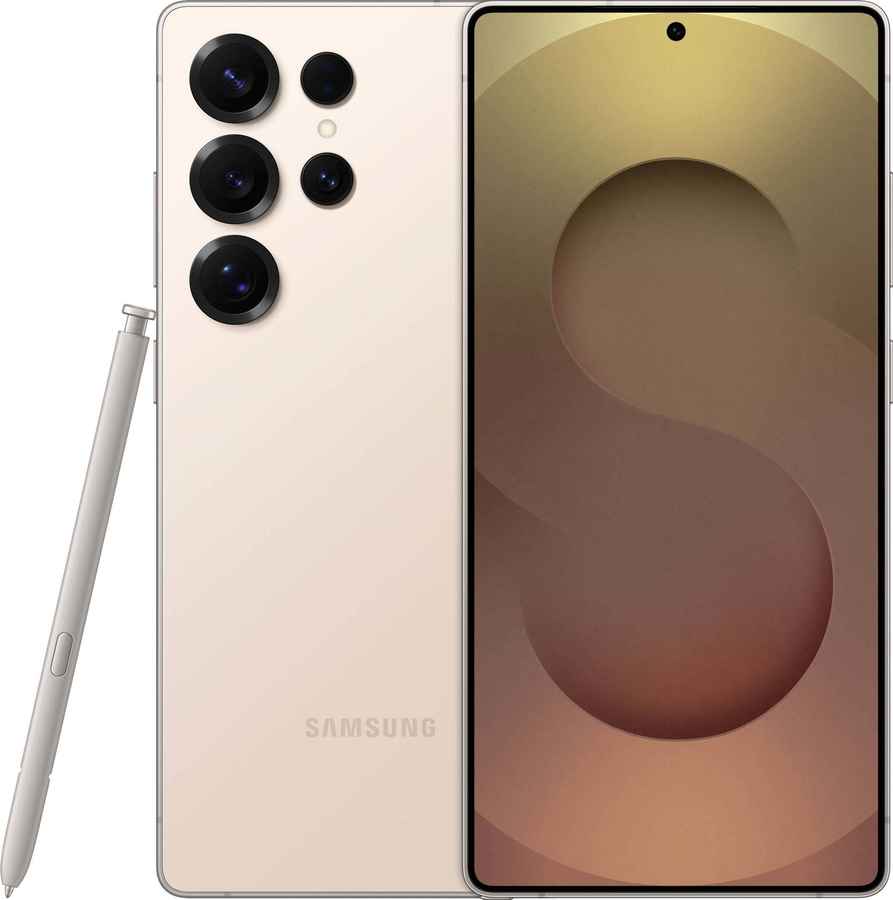
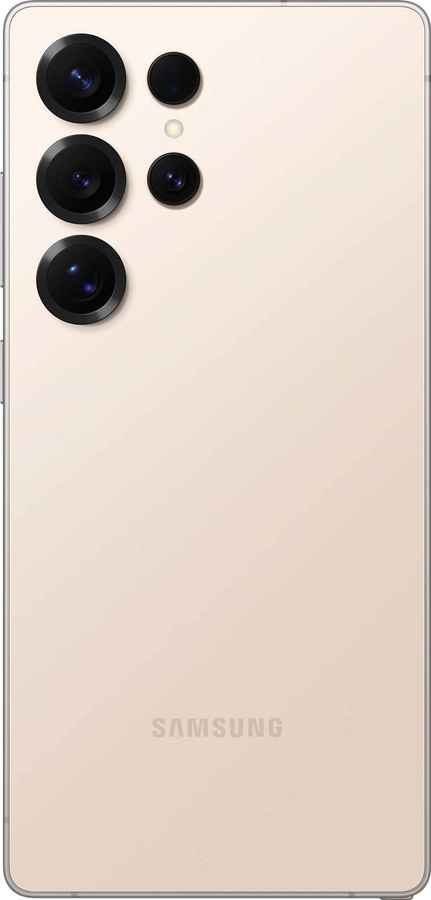
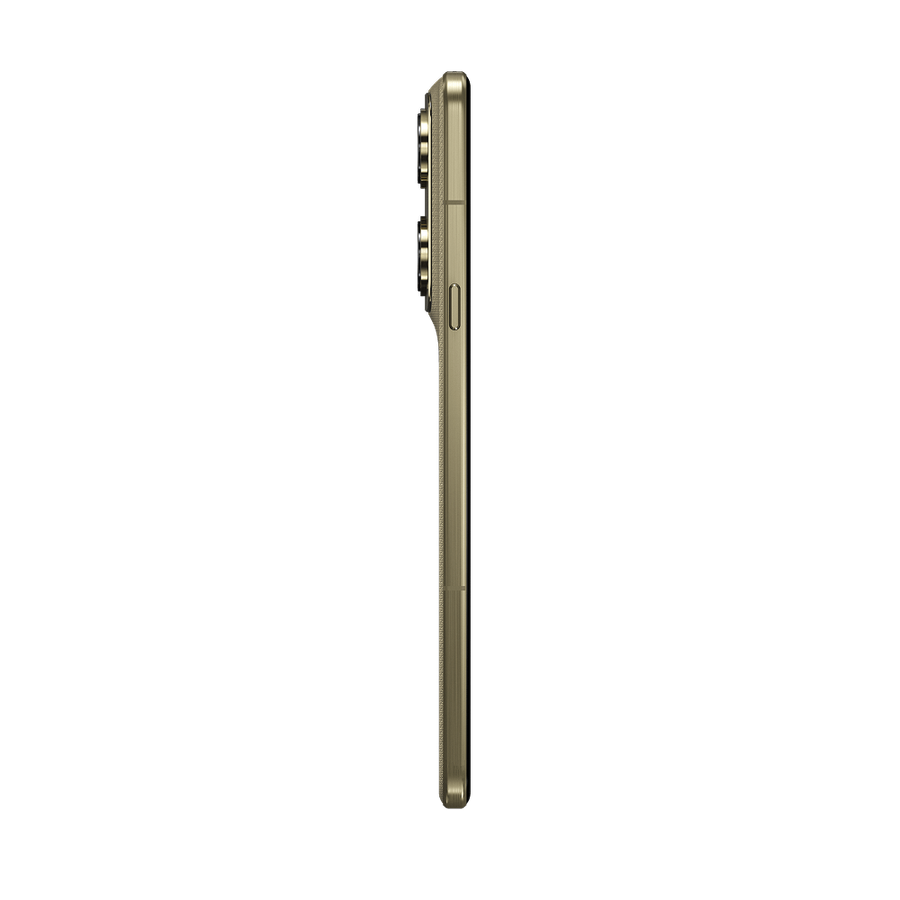
The Samsung Galaxy S25 Edge isn’t here to chase spec sheet dominance; it’s here to feel right. And it does. At just 5.8mm thick and 168g, it’s the slimmest and most comfortable flagship Samsung has ever made, earning a strong 8.8 in Build and Design in our tests. Despite that sleek profile, it still fits a gorgeous 6.7-inch AMOLED display and a titanium frame that oozes refinement. Under the hood, the Snapdragon 8 Gen 4 delivers fast, fluid everyday performance, but in longer gaming sessions or intensive tasks, the slim design reveals its limits with slightly quicker thermal throttling, which explains its 8 in Performance and Camera. The 50MP main shooter with OIS performs reliably, but the supporting lenses are more utilitarian than exciting. Battery life from the 4000mAh cell is average, though 45W fast charging makes up for it somewhat. On paper, it might not tick every flagship box as there’s no DeX mode or wireless charging, but it nails the essentials with an elegance most phones forget to aim for. It’s also surprisingly practical, scoring 8.3 for Features, 8.2 for Value, and an impressive 9 in AI-Q, which reflects its smart balance of real-world usability and design-forward thinking. If you’re tired of pocket-stretching flagships and want something that feels like a piece of design, not just hardware, the S25 Edge is one of the most refreshing phones of the year.

SPEC
SCORE
60%
  • View Rating
    PERFORMANCE Icon PERFORMANCE 4.03
    • Qualcomm Snapdragon 8 Elite
    • Octa core (4.47 GHz, Dual core, Oryon + 3.5 GHz, Hexa Core, Oryon)
    • RAM: 12 GB
    • Storage: 256 GB, 512 GB
  • View Rating
    DISPLAY Icon DISPLAY 3.12
    • 6.7 inches (17.02 cm)
    • Dynamic AMOLED 2x
    • 1440×3120 px (QHD+)
    • 120 Hz
  • View Rating
    CAMERA Icon CAMERA 3
    • Front Camera: 12 MP
    • Rear Camera: 200 MP
    • Number Of Rear Cameras: 2
    • Max Video Resolution: 7680×4320
  • View Rating
    BATTERY Icon BATTERY 1.34
    • Battery: 3900 mAh
    • Fast Charging: Yes
    • Charging Port: USB Type-C
REAR CAMERA COMPARE TO
Pros PROS

Incredibly thin and lightweight

Doesn't feel fragile

Excellent display quality

Solid performance

Reliable main camera

Surprisingly good battery endurance

Pros Cons

Battery capacity still feels limiting for power users

Camera island design causes severe wobble

Charging speeds are slow by 2025 standards

2
50,999

The OnePlus 13s is a compact comeback done right. With a Digit Rating of 8.1, it proves that phones don’t need to be massive to feel premium or perform like flagships. At 8.1mm thick and just 202g, it fits perfectly in one hand without skimping on essentials, earning it a respectable 7.9 in Build and Design for its balance of comfort and aesthetic polish. Powered by the Snapdragon 8s Gen 3, the 13s delivers smooth performance and stable thermals, locking in a consistent 8 in Performance. It breezed through daily tasks, handled games capably, and paired that speed with good battery optimisation and super-fast charging. The display, a flat 1.5K AMOLED with LTPO tech, is a delight to use, helping it land a solid 8 in Features and Specifications. However, it’s not perfect. There’s no wireless charging, no official IP rating, and the camera system, while solid, lacks an ultrawide lens, which some users may miss. But these omissions also keep the cost in check, giving the phone a fair Value score of 8. In a world where every phone seems to be pushing 220g+, the 13s dares to be light, sharp, and fast without chasing spec-sheet inflation. If you’re tired of pocket-busting flagships and just want a clean, compact, high-performance phone that gets the job done with zero drama, the OnePlus 13s is one of 2025’s most refined picks.

SPEC
SCORE
16.4%
  • View Rating
    PERFORMANCE Icon PERFORMANCE 0
    • Qualcomm SM8750-AB Snapdragon 8 Elite
    • Octa core (4.32 GHz, Dual core, Oryon V2 Phoenix L + 3.53 GHz, Hexa core, Oryon V2 Phoenix M)
    • RAM: 12 GB
    • Storage: 256 GB
  • View Rating
    DISPLAY Icon DISPLAY 0.07
    • 6.32 inches
    • LTPO AMOLED
    • 1216 x 2640 px
    • 120 Hz
  • View Rating
    CAMERA Icon CAMERA 1.6
    • Front Camera: 32 MP
    • Rear Camera: 50 MP
    • Number Of Rear Cameras: 2
    • Max Video Resolution: 3840 x 2160
  • View Rating
    BATTERY Icon BATTERY 1.65
    • Battery: 5850 mAh
    • Fast Charging: Yes
    • Charging Port: USB Type-C 2.0
REAR CAMERA COMPARE TO
Pros PROS

Compact and lightweight design

Excellent battery life

Smooth, colour-accurate display

Consistent performance

Fast 80W wired charging with pass-through charging support

Pros Cons

No wireless charging despite premium pricing

No ultra-wide camera

3
20,999

The Vivo T4 5G is one of those phones that gets so close to greatness, you can almost forgive the rough edges. With a Digit Rating of 8, it’s a surprisingly well-rounded package that delivers on performance, battery, and everyday usability, especially at its sub-Rs 25K price point. Powered by the Snapdragon 6 Gen 1 and paired with a slick 120Hz AMOLED display, the T4 5G scored a commendable 8.6 in Performance, making it one of the fastest in its class. Whether you're gaming or multitasking, it rarely breaks a sweat. It also packs a massive 7,300mAh battery, which easily pushes two-day endurance, backed by 44W fast charging. On features, the phone clocks in at 8.2, thanks to a solid core spec sheet that includes HDR10+ support, good stereo separation in multimedia, and a responsive software experience. But then come the trade-offs. With a Build & Design score of 6.5, it’s clear this isn’t a phone you’ll buy for aesthetics. The plastic back feels a bit dated, and the large camera bump doesn’t help its ergonomics either. Still, with a Value score of 8.1, the T4 5G remains a smart choice for users prioritising performance and battery life over looks. Had Vivo priced it just a notch lower, or refined the design, it could’ve been a category disruptor. But even now, it holds strong as one of the best-performing daily drivers in its class.

SPEC
SCORE
33.6%
  • View Rating
    PERFORMANCE Icon PERFORMANCE 0.79
    • Snapdragon 7s Gen 3 Mobile Platform
    • Octa-core (1×2.4 GHz Cortex-A710 + 3×2.36 GHz Cortex-A710 + 4×1.8 GHz Cortex-A510)
    • RAM: 8 GB
    • Storage: 128 GB
  • View Rating
    DISPLAY Icon DISPLAY 2.07
    • 6.77 inch
    • AMOLED+, 120Hz, 5000 nits
    • 2392 × 1080
    • 120 Hz
  • View Rating
    CAMERA Icon CAMERA 2.32
    • Front Camera: 32 MP
    • Rear Camera: 50 MP
    • Number Of Rear Cameras: 4
    • Max Video Resolution: 4K/1080p/720p
  • View Rating
    BATTERY Icon BATTERY 1.67
    • Battery: 5000 mAh
    • Fast Charging: Yes
REAR CAMERA COMPARE TO
Pros PROS

Excellent Battery Life

Sleek and Lightweight Design

Stable Performance

Pros Cons

Mono Speaker Setup

60 FPS BGMI

Average Front Camera

4
94,999

The Vivo X200 Pro is a photography-first flagship that knows exactly what it wants to be, and mostly nails it. With a Digit Rating of 8.1 and an exceptional 9.4 in Features and Specifications, this phone brings a pro-level imaging experience straight into your pocket. Powered by the Dimensity 9300 and Vivo’s custom V3 imaging chip, it focuses on precision where it matters most: portraits, night shots, and clean, stable video. The telephoto lens, in particular, is the MVP, easily outclassing rivals in optical clarity and detail. You also get an expansive AMOLED display with Dolby Vision, one of the smoothest in this category. During our tests, performance held steady at 8.2, keeping games and apps running reliably without overheating. However, this laser-focused on camera prowess comes at a cost. The design score of 6.2 reflects that compromise as the X200 Pro isn’t the slimmest or lightest, and its glossy, smudge-prone back feels a step behind other 2025 flagships. Still, with a Value rating of 8.1, it redeems itself by offering tangible improvements in battery life, clean haptics, and fast charging. Funtouch OS also shows noticeable refinement, though bloatware continues to be a small thorn. Overall, if photography is your top priority and you’re not overly fussed about ultra-premium materials, the Vivo X200 Pro offers a nearly picture-perfect experience, smart, specialised, and worthy of the spotlight.

SPEC
SCORE
71%
  • View Rating
    PERFORMANCE Icon PERFORMANCE 3.37
    • MediaTek Dimensity 9400
    • Octa core (3.626 GHz, Single core, Cortex X925 + 3.3 GHz, Tri core, Cortex X4 + 2.4 GHz, Quad core, Cortex A720)
    • RAM: 16 GB
    • Storage: 512 GB
  • View Rating
    DISPLAY Icon DISPLAY 3.38
    • 6.78 inches (17.22 cm)
    • LTPO AMOLED (Curved Display)
    • 1260×2800 px (FHD+)
    • 120 Hz
  • View Rating
    CAMERA Icon CAMERA 4.32
    • Front Camera: 32 MP
    • Rear Camera: 50 MP
    • Number Of Rear Cameras: 3
    • Max Video Resolution: 7680×4320
  • View Rating
    BATTERY Icon BATTERY 2.36
    • Battery: 6000 mAh
    • Fast Charging: Yes
    • Charging Port: USB Type-C
REAR CAMERA COMPARE TO
5
36,999

The Realme GT 7 is all about speed, but it’s also more than just a spec-sheet sprinter. With a Digit Rating of 7.8, it delivers a well-balanced experience that blends raw performance with practical usability, especially for users who want power without breaking the bank. Its Features and Specifications score of 8.2 reflects how well-equipped this phone is for its Rs 39,999 price tag, packing the MediaTek Dimensity 9400e chip, a 1.5K AMOLED display, and a dependable dual-camera setup. In performance testing, the GT 7 clocked in at 7.7, delivering snappy app launches and solid multitasking. However, sustained workloads revealed thermal limitations, and while gaming is smooth, it’s not quite at flagship killer levels. Still, it handles daily use and mid-session gaming well enough to satisfy most power users. Design-wise, it scored 7.7, owing to a plastic build that feels more functional than premium. It’s slim, lightweight, and easy to hold, but lacks the in-hand luxe of glass or metal competitors. The camera system punches above its weight in daylight, though low-light output is average. With a Value score of 7.9, the Realme GT 7 remains a sensible option for users seeking a reliable performance-first phone with a great screen, decent battery life, and fast charging. It’s not flashy or over-engineered, but it is fast, efficient, and well-rounded enough to make a strong case in the sub-Rs 40K segment.

SPEC
SCORE
53%
  • View Rating
    PERFORMANCE Icon PERFORMANCE 1.9
    • Mediatek Dimensity 9400e
    • Octa-core (1×3.4 GHz Cortex-X4 & 3×2.85 GHz Cortex-X4 & 4×2.0 GHz Cortex-A720)
    • RAM: 8 GB
    • Storage: 256 GB
  • View Rating
    DISPLAY Icon DISPLAY 3.44
    • 6.78 inches
    • LTPO AMOLED
    • 1264 x 2780 px
    • 120 Hz
  • View Rating
    CAMERA Icon CAMERA 2.88
    • Front Camera: 32 MP
    • Rear Camera: 50 MP
    • Number Of Rear Cameras: 3
    • Max Video Resolution: 7680 x 4320
  • View Rating
    BATTERY Icon BATTERY 2.73
    • Battery: 7000 mAh
    • Fast Charging: Yes
    • Charging Port: Type-C
REAR CAMERA COMPARE TO
Pros PROS

Powerful Performance

Colour-accurate Display

Great Battery Life

Pros Cons

Plastic Build

Average Low-Light Camera Performance

Display could have been brighter

6
35,488

The iQOO Neo 10 feels like it was built to impress on paper, and in many ways, it does. With a Digit Rating of 7.8, it’s a classic iQOO formula: big battery, bold display, and benchmark-worthy internals, aimed squarely at performance-first users. Backed by the new Snapdragon 8s Gen 4 and a sharp 1.5K 144Hz OLED panel, it racked up an 8.3 in Features, easily outclassing many phones in its price bracket when it comes to sheer hardware value. In testing, the Neo 10 scored 7.7 in Performance. It’s fast, no doubt, but it gets warm under pressure and occasionally dips in sustained loads. For casual users or mid-core gamers, that’s not a dealbreaker, especially when paired with the massive 7000mAh battery and 120W fast charging that’s hard to find elsewhere. The design, though, is a bit polarising. Earning 7.6 in Build, it’s sturdy but not particularly premium, with a plastic frame and back that feel more functional than refined. That said, it’s ergonomic and surprisingly lightweight given the battery capacity. At Rs 31,999, its Value score of 7.9 makes it a sensible choice for performance seekers, even though its sibling, the Neo 10R, offers similar specs at a lower price. If you're looking for a big-screen, big-battery phone with the kind of speed that doesn’t break the bank, the Neo 10 fits the bill. Just know it’s not the only star in iQOO’s own lineup.

SPEC
SCORE
78%
  • View Rating
    PERFORMANCE Icon PERFORMANCE 2.69
    • Qualcomm SM8735 Snapdragon 8s Gen 4
    • Octa-core (1×3.21 GHz Cortex-X4 & 3×3.0 GHz Cortex-A720 & 2×2.8 GHz Cortex-A720 & 2×2.0 GHz Cortex-A720)
    • RAM: 8 GB
    • Storage: 128 GB
  • View Rating
    DISPLAY Icon DISPLAY 3.53
    • 6.78 inches
    • AMOLED
    • 1260 x 2800 px
    • 120 Hz
  • View Rating
    CAMERA Icon CAMERA 4.06
    • Front Camera: 32 MP
    • Rear Camera: 50 MP
    • Number Of Rear Cameras: 2
    • Max Video Resolution: 3840 x 2160
  • View Rating
    BATTERY Icon BATTERY 2.61
    • Battery: 7000 mAh
    • Fast Charging: Yes
    • Charging Port: USB Type-C 2.0
REAR CAMERA COMPARE TO
Pros PROS

Flagship-level power

Smooth BGMI gameplay

Excellent battery backup

Decent Cameras

Pros Cons

Performance dips

Low-Light weakness

7
29,999
See More Variants

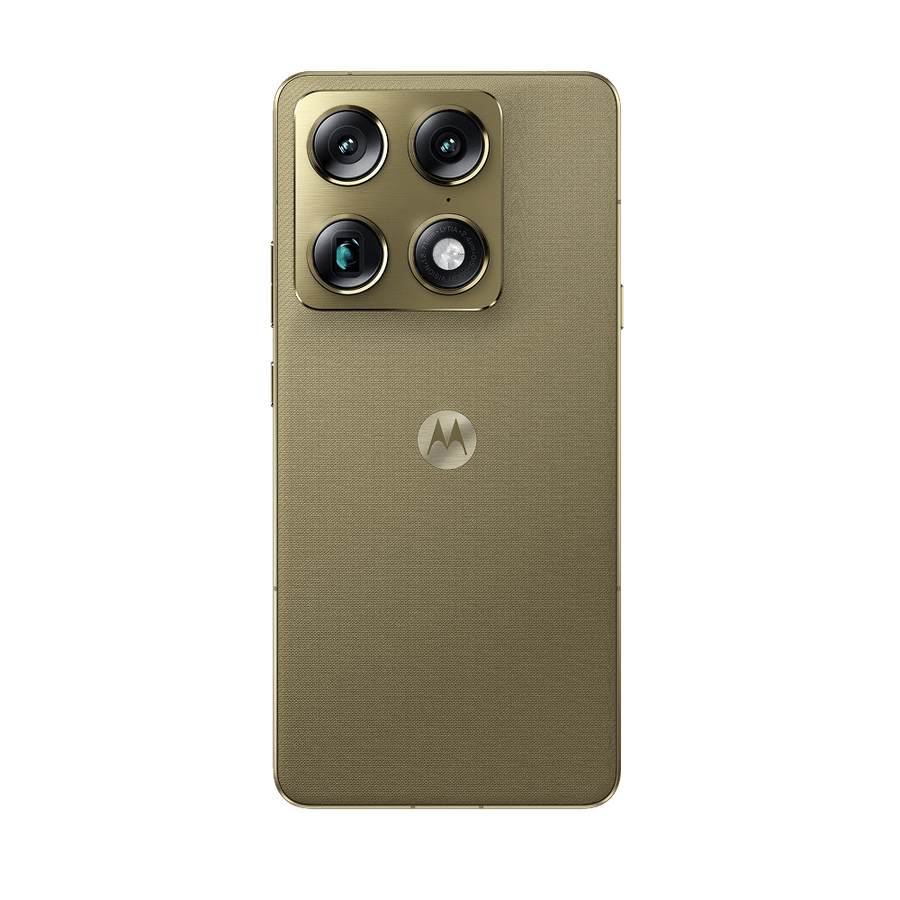
The Motorola Edge 60 Pro is not just another spec-focused mid-ranger; it’s a personality phone. Dressed in a vegan leather jacket and offering a clean Android experience, it scored a Digit Rating of 7.8, standing out in a crowded Rs 30K segment by doing things a little differently. With a Features and Specifications score of 8.8, the Edge 60 Pro flexes its strengths: a stunning 144Hz curved pOLED display, a 50MP selfie camera, wireless charging (rare at this price), and IP68 water resistance. These are features that even pricier phones sometimes skip. Performance, however, is where things level out. Scoring 7.3, the phone runs on the Snapdragon 7 Gen 3, which handles day-to-day tasks with ease but doesn’t quite impress in heavy gaming or intense multitasking. For casual users, it’s smooth and responsive, but power users might notice the difference. The Build and Design score of 8 reflects Motorola’s effort to bring texture, grip, and charm with its slim frame and vegan leather back, making it one of the few phones that feels this unique in hand. A Value for Money rating of 7.9 reflects the balance; it’s not about pushing limits, but about standing apart. If you want a distinctive design, clean UI, and one of the best displays in this range, the Edge 60 Pro has character where many phones just have components.

SPEC
SCORE
76%
  • View Rating
    PERFORMANCE Icon PERFORMANCE 2.65
    • MediaTek Dimensity 8350 Extreme Edition
    • Octa core (3.35 GHz, Single core, Cortex A715 + 3.2 GHz, Tri core, Cortex A715 + 2.2 GHz, Quad core, Cortex A510)
    • RAM: 8 GB
    • Storage: 256 GB
  • View Rating
    DISPLAY Icon DISPLAY 3.39
    • 6.7 inches (17.02 cm)
    • P-OLED (Curved Display)
    • 1220×2712 px (FHD+)
    • 120 Hz
  • View Rating
    CAMERA Icon CAMERA 2.82
    • Front Camera: 50 MP
    • Rear Camera: 50 MP
    • Number Of Rear Cameras: 3
    • Max Video Resolution: 3840×2160
  • View Rating
    BATTERY Icon BATTERY 2.57
    • Battery: 6000 mAh
    • Fast Charging: Yes
    • Charging Port: USB Type-C
REAR CAMERA COMPARE TO
8

The iPhone 16 plays it safe but plays it well. Earning a Digit Rating of 8, it sticks to Apple’s winning formula: a smooth, lag-free experience, consistent cameras, and a well-integrated ecosystem. With a Build & Design score of 8.7, this is still one of the best-built compact flagships around. It’s lightweight, comfortable to use, and undeniably premium in the hand, even if it looks a lot like its predecessor. Performance sees a modest bump thanks to the A18 chip, clocking an 8.1 in tests. It’s more than capable for everything from 4K video editing to gaming, though not a dramatic leap from the iPhone 15. The real pain point is the 7.4 in Features, as Apple Intelligence feels a bit behind the curve on AI. Camera quality remains reliably strong, as always, with excellent colour science, Smart HDR 5, and sharp 4K video, though some will find the lack of a high-res telephoto or ultrawide upgrades underwhelming in 2025. With a Value score of 8, the phone now makes more sense post-launch, especially with prices dropping slightly and software updates ironing out the rough edges. If you're looking for a reliable iPhone experience and aren’t chasing cutting-edge features, the iPhone 16 is now a smarter buy than it was at launch. Just don’t expect it to surprise you, and you’ll walk away satisfied.

SPEC
SCORE
61%
  • View Rating
    PERFORMANCE Icon PERFORMANCE 2.61
    • Apple A18
    • Hexa Core (4.04 GHz, Dual core + 2.2 GHz, Quad core)
    • RAM: 8 GB
    • Storage: 128 GB
  • View Rating
    DISPLAY Icon DISPLAY 3.09
    • 6.1 inches (15.49 cm)
    • Super Retina XDR
    • 1179×2556 px (FHD+)
    • 60 Hz
  • View Rating
    CAMERA Icon CAMERA 4.01
    • Front Camera: 12 MP
    • Rear Camera: 48 MP
    • Number Of Rear Cameras: 2
    • Max Video Resolution: 3840×2160
  • View Rating
    BATTERY Icon BATTERY 2.2
    • Battery: 3561 mAh
    • Fast Charging: Yes
    • Charging Port: USB Type-C
REAR CAMERA COMPARE TO
9
18,784
See More Variants

The CMF Phone 2 Pro is unapologetically Gen Z and leans into that identity with flair. With a Digit Rating of 7.4, it doesn’t try to be the most powerful or premium phone in its class. Instead, it wins hearts through its playful design, customisable aesthetics, and a clean Nothing OS experience that skips the bloat and gets straight to the point. Under the hood, the Dimensity 7300 and a 120Hz AMOLED panel help the phone earn a 7.4 in Performance and 7.7 in Features, delivering a smooth everyday experience that feels fast enough for most users. Multitasking, casual gaming, and social scrolling all feel snappy, and the software polish is a definite highlight. But the Build & Design score of 6.9 tells a different story. The phone’s plastic chassis and modular back are more about expression than refinement. The rotating crown and swappable back plates are fun, but they don’t quite elevate the phone to a premium feel. That said, the minimalist aesthetic and colour options do help it stand out in the crowd. With a Value score of 7.5, it’s not the most spec-packed phone at Rs 18,999, but it delivers where it counts for its target audience: performance, personality, and clean software. For users who want their phone to be an accessory as much as a tool, the CMF Phone 2 Pro offers style with just enough substance.

SPEC
SCORE
59%
  • View Rating
    PERFORMANCE Icon PERFORMANCE 2.39
    • MediaTek Dimensity 7300 Pro
    • Octa core (2.5 GHz, Quad core, Cortex A78 + 2 GHz, Quad core, Cortex A55,)
    • RAM: 8 GB
    • Storage: 128 GB
  • View Rating
    DISPLAY Icon DISPLAY 3.18
    • 6.77 inches (17.2 cm)
    • Flexible AMOLED
    • 1080×2392 px (FHD+)
    • 120 Hz
  • View Rating
    CAMERA Icon CAMERA 2.77
    • Front Camera: 16 MP
    • Rear Camera: 50 MP
    • Number Of Rear Cameras: 3
    • Max Video Resolution: 3840×2160
  • View Rating
    BATTERY Icon BATTERY 2.02
    • Battery: 5000 mAh
    • Fast Charging: Yes
    • Charging Port: USB Type-C
REAR CAMERA COMPARE TO
Pros PROS

Solid AMOLED display

Clean and smooth software

Battery lasts a full day

Reliable performance for daily use

Pros Cons

Mono speaker setup

Gaming performance is limited

Camera tuning could be improved

10

The Redmi 14C 5G doesn’t pretend to be more than it is, and that’s exactly its strength. With a Digit Rating of 6.1, it aims to make 5G accessible for under Rs 10,000, and in that narrow lane, it delivers a mostly dependable budget experience. Powered by the Snapdragon 4 Gen 2, the phone scored 5.7 in Performance, enough for basic tasks like calling, messaging, and occasional app use, but don’t expect fluid multitasking or intense gaming. The 6.88-inch display is surprisingly spacious, though resolution and brightness feel average. Still, with a Features score of 6.6, you do get essentials like 5G support, a headphone jack, and expandable storage, practical additions that matter at this price. Design-wise, it earns a 6.4, with a large but lightweight plastic build that feels functional rather than refined. It’s simple, sturdy, and easy to grip, even if the aesthetics feel a bit behind the curve. With a Value for Money rating of 6.1, it holds up if your expectations are realistic. This is a utility-first phone meant for first-time smartphone users, or someone who just needs 5G on a tight budget. If all you need is a basic device that can handle calls, WhatsApp, and the occasional reel scroll, while giving you access to 5G networks, the Redmi 14C 5G gets the job done without trying to be anything more.

SPEC
SCORE
34%
  • View Rating
    PERFORMANCE Icon PERFORMANCE 1.9
    • Qualcomm Snapdragon 4 Gen 2
    • Octa core (2.2 GHz, Dual core, Cortex A78 + 1.95 GHz, Hexa Core, Cortex A55)
    • RAM: 4 GB
    • Storage: 64 GB
  • View Rating
    DISPLAY Icon DISPLAY 1.55
    • 6.88 inches (17.48 cm)
    • IPS LCD
    • 720×1640 px (HD+)
    • 120 Hz
  • View Rating
    CAMERA Icon CAMERA 1.47
    • Front Camera: 8 MP
    • Rear Camera: 50 MP
    • Number Of Rear Cameras: 1
    • Max Video Resolution: 1920×1080
  • View Rating
    BATTERY Icon BATTERY 1.88
    • Battery: 5160 mAh
    • Fast Charging: Yes
    • Charging Port: 3.5 mm
REAR CAMERA COMPARE TO
Compare Now Compare Now
Digit.in
Logo
Digit.in
Logo