

Why Samsung’s APV codec might be one of the biggest upgrade to smartphone video recording in years
 Follow Us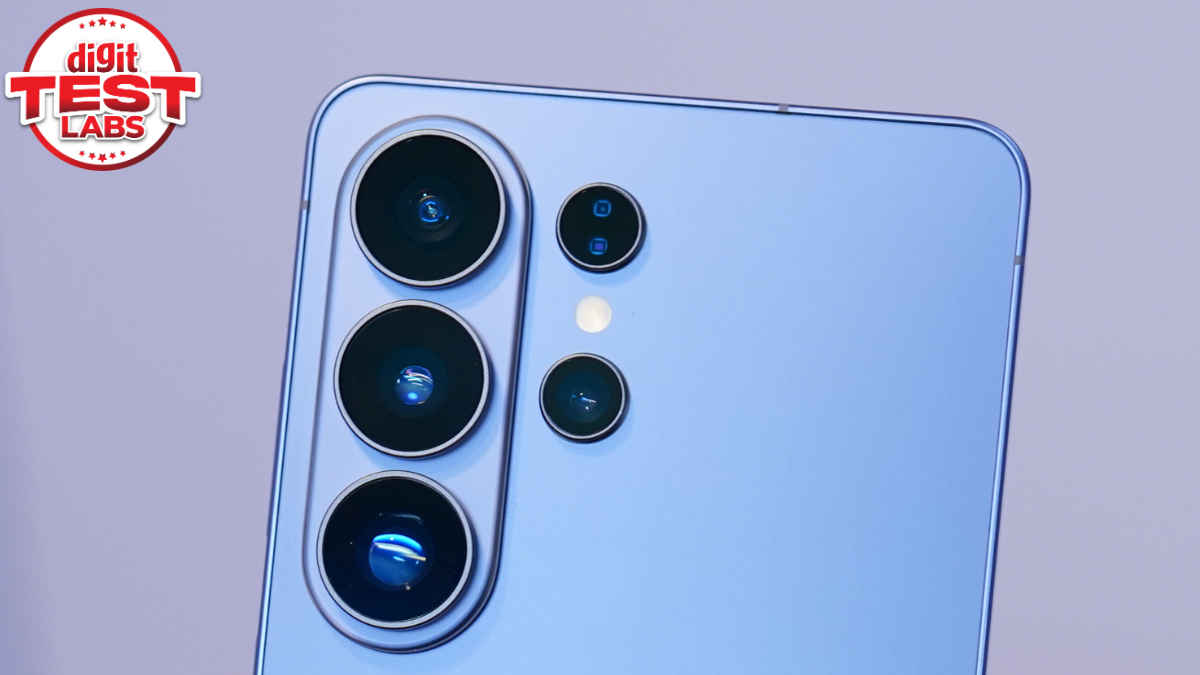

For years, Apple iPhones have been considered the gold standard for smartphone videography. If you wanted to shoot videos that gave editors more room for colour grading and post-production work, features like ProRes and Log recording on the iPhone have often been the preferred choice. Of course, Android phones have improved massively over the years and can record excellent videos too, but creators looking for more flexibility after hitting record have usually had limited options. But with the Galaxy S26 Ultra, Samsung is trying to change that. The company’s latest flagship devices now support the APV codec. Short for Advanced Professional Video, APV may sound like another technical feature hidden deep inside the camera app, but for people serious about shooting on their phone, it could end up being one of the most important upgrades in years.
 Survey
Also read: Samsung Galaxy S26 Ultra review: King of the hill
At its simplest, the APV codec is a new video format developed by Samsung that is designed to preserve more image information while making footage easier to edit. Samsung says it offers visually lossless quality, better colour reproduction through YUV 4:2:2 colour sampling, and roughly 10 per cent better compression efficiency than comparable professional codecs. It has also been released as an open standard, rather than being locked into Samsung’s ecosystem.
Granted, the aforementioned details may sound like marketing jargon, but the real-world benefit is surprisingly easy to understand. To give context in simple words, imagine shooting a video, editing it, exporting it, making a few changes, exporting it again and then uploading different versions for YouTube, Instagram and other platforms. Every step can chip away at image quality. APV is designed to minimise that degradation and retain more detail throughout the workflow.
In many ways, APV feels like Samsung’s, or shall we say, Android’s answer to Apple ProRes. Apple gave creators a professional-grade format that editors love because it is easier to work with and holds up well during colour grading. Samsung is aiming for a similar audience, but with a format built specifically for Android and mobile workflows.
As someone who uses the Galaxy S26 Ultra, I can definitely see the appeal here. Understand, most people are not shooting films every day. Sometimes you simply spot a scene worth capturing, and your phone is the only camera you have with you. In those situations, having access to a format that gives editors more room to work with later is quite useful. You may not notice the difference immediately when watching the clip on your phone, but the person editing that footage certainly will.
Samsung is also trying to simplify another part of the filmmaking process: colour grading. This is where Cine LUT comes in. LUT stands for Look-Up Table, but the easiest way to think about it is as a professional preset. Instead of manually adjusting colours, contrast and tones in Pro mode, you can simply apply a cinematic style with a tap. Samsung offers options inspired by genres such as Standard, Thriller, Romance, Blockbuster and Coming of age.

For casual creators, I think this helps a lot. Because not everyone knows how to operate Premiere Pro or Final Cut Pro. Sometimes you just want your footage to look more cinematic without putting in all of that effort. Cine LUT makes that process far more approachable.
Of course, APV is not perfect. High-quality video comes at a cost, and that cost is storage. Samsung itself notes that APV footage can consume several gigabytes per minute depending on the recording settings. If you shoot a lot of video, you will quickly fill up your phone or need an external SSD. Compatibility is also still developing, although support is steadily growing across editing software and video tools.
Also read: Samsung Galaxy Book 6 Ultra review: The Jack of all trades
The bigger question is whether other Android manufacturers will follow Samsung’s lead. There is no official confirmation yet from rival brands, but because APV is open source, supported by FFmpeg and backed at the chipset level through Qualcomm’s latest flagship platform, it has a realistic chance of spreading beyond Samsung devices if the industry sees enough demand.


