
YouTube will guess age of viewers to show appropriate content: Here’s how
 Follow Us
YouTube’s AI age detection system changes what content you can access
How YouTube’s behavior-based AI guesses your age to apply restrictions
Creators could face revenue dip as YouTube starts tagging viewers as under 18
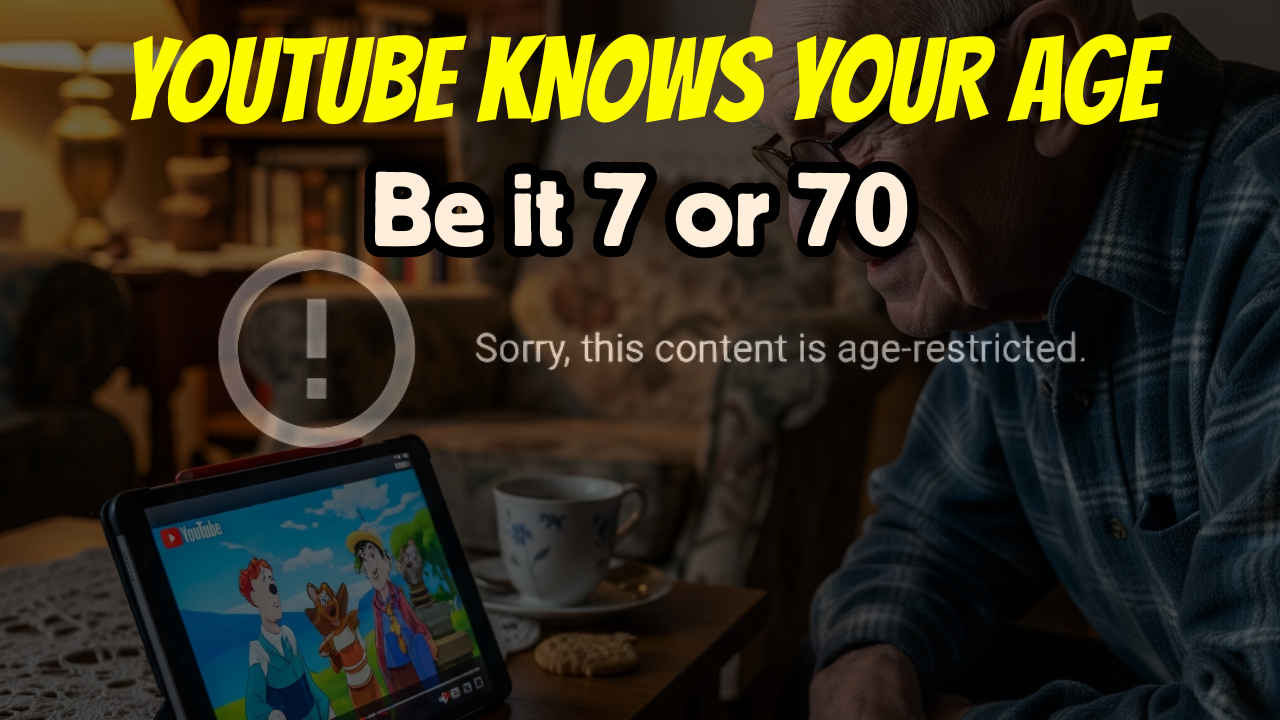

You might think you’ve outsmarted YouTube by entering a fake birthdate to get around those annoying age restrictions. Maybe you created your account when you were 13, claimed you were 21, and never looked back. But now, YouTube doesn’t really care what you told it, because it’s going to figure out how old you act.
 Survey
In a major shift rolling out August 13 in the U.S., YouTube will begin using artificial intelligence to estimate your age based on your behavior. It watches what you watch, when you watch it, how long you linger, and what you skip. From that, it builds a digital profile, not of who you say you are, but who you probably are.
And if it decides you’re under 18? Everything changes.
Also read: Social media ban for teens in Australia: Age-verification tech trial succeeds
The algorithm knows what you’re watching
Let’s say you’re bingeing animated reaction memes, dream house builds in Minecraft, Taylor Swift lyric videos, and “study with me” livestreams. That’s enough for YouTube’s new machine learning model to raise its virtual eyebrow and go, “Hmm, maybe we’re dealing with a teenager here.”
This isn’t just pattern recognition, it’s AI applied to your viewing history, engagement style, even your scroll behavior. It looks at what kinds of videos draw you in, how quickly you click away from certain types of content, and which rabbit holes you fall into on your recommended page.
Unlike a birthday you enter once and forget, this model keeps learning, constantly refining its estimate of your age over time.
Mislabeling adults or saving kids?
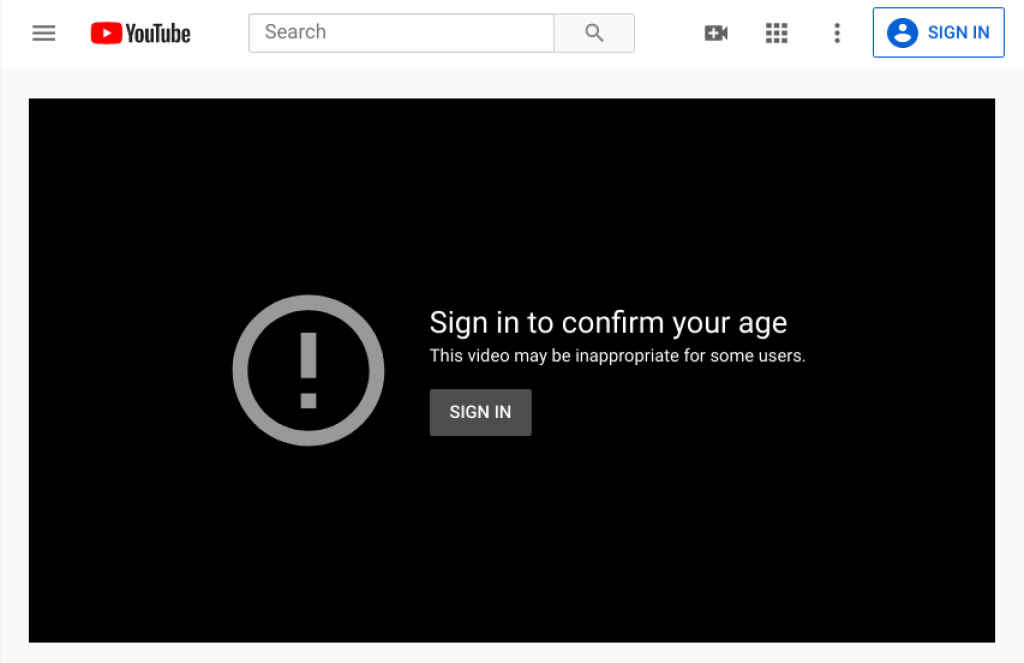
If YouTube’s system tags you as a minor, it flips a switch. Suddenly you can’t watch age-restricted videos (even if your account says you’re 25). Personalized ads disappear meaning that you’ll only get the basic, untargeted commercials, bedtime reminders and “take a break” nudges might start showing up, certain categories of videos like dating, or extreme fitness might quietly vanish from your homepage, and you may even find yourself locked out of certain live chats, comment sections, or creators’ content.
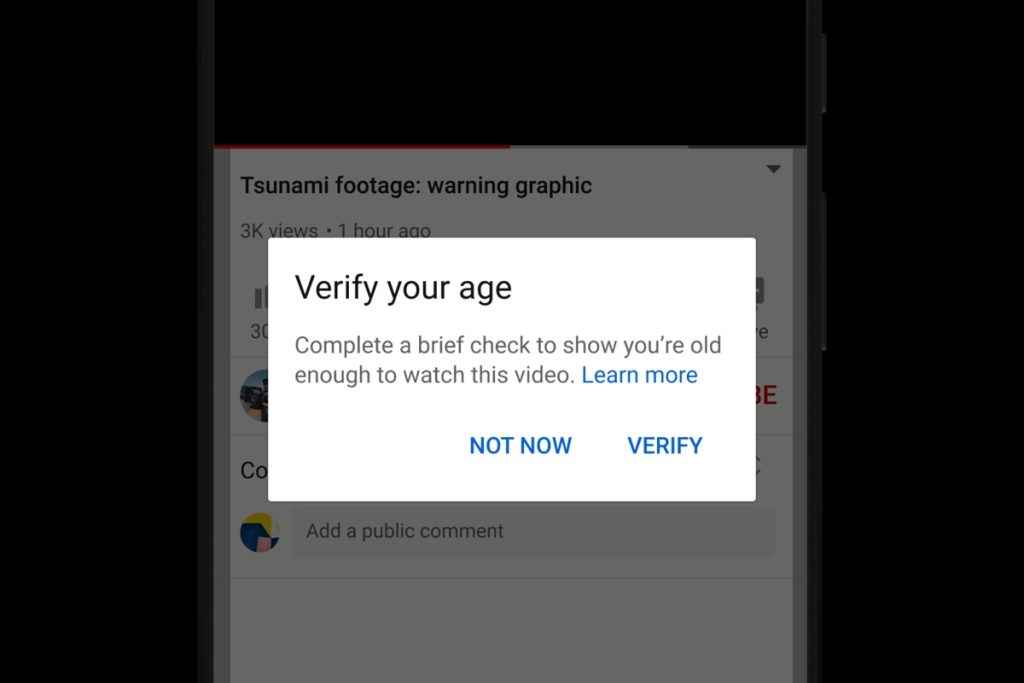
And if the system gets it wrong? You’ll have to verify your age through a selfie, a credit card, or official ID. Which, let’s be honest, not everyone wants to do.
From one angle, this sounds dystopian. YouTube is scanning your behavior to decide how old you are without asking? But the flip side is this: millions of kids under 13 already use the platform despite policies that say otherwise. They lie about their age, sign in with a parent’s account, or create burner profiles. The company is trying to design guardrails that kick in even when kids don’t ask for them. So, is it surveillance or safety? That depends on which side of the screen you’re on.
Also read: YouTube may soon use new tech to verify user age for safer content recommendations
Bigger than YouTube
If you’re a YouTuber, this update could quietly hit your revenue. Why? Because users flagged as minors won’t get personalized ads, and those ads are what pay the bills. So if your content appeals to younger audiences, even if it’s not explicitly made for kids, you might see a dip in your earnings.
What’s worse is that you may not even realize it’s happening. YouTube Analytics still shows audience age based on user profiles, not the AI’s behind-the-scenes judgment. So, you might see a healthy 18–24 demo in your dashboard, while the algorithm is quietly categorizing half of them as “minors” and stripping out the ad dollars.
Also, if your content starts getting restricted in recommendations because it’s not “age-appropriate,” your views could tank and you won’t necessarily know why.
What’s wild is that this might be the new norm. Age estimation by behavior isn’t just for video platforms anymore. Google has already used similar tools for the Play Store and Search. TikTok, Instagram, and Snapchat are experimenting with it too. The days of self-declared age are numbered.
And sure, that means fewer 12-year-olds pretending to be 22-year-olds online. But it also means platforms are getting bolder in judging who we are not by what we say, but by what we do.
There’s a part of me that loves the chaos of an unfiltered algorithm, the thrill of discovery. But there’s also a part of me that knows not everyone should see everything, all the time, especially not kids navigating anxiety, identity, and the hyper-comparison culture that social media can amplify. Maybe the real question is: how do we build an internet that grows with us without leaving us behind?
YouTube’s new AI age estimation system is more than a feature update. It’s a philosophical shift moving from “tell us who you are” to “we’ll figure it out ourselves.” For younger viewers, that means safer spaces. For creators, it means a new era of guesswork and possibly lower earnings. And for all of us, it’s a reminder that the algorithm isn’t just recommending content anymore—it’s judging who we are. Like it or not, YouTube knows who’s watching.
Also read: Meta supports EU law on children accessing social media: Why this matters


