
Workday CEO Aneel Bhusri calls Oracle, SAP as AI ‘dinosaurs’
 Follow Us
Bhusri calls Oracle and SAP “dinosaurs” not built for AI
Workday wants HR data to govern identity for AI agents
Bhusri worries most about AI replacing low-cost outsourced jobs
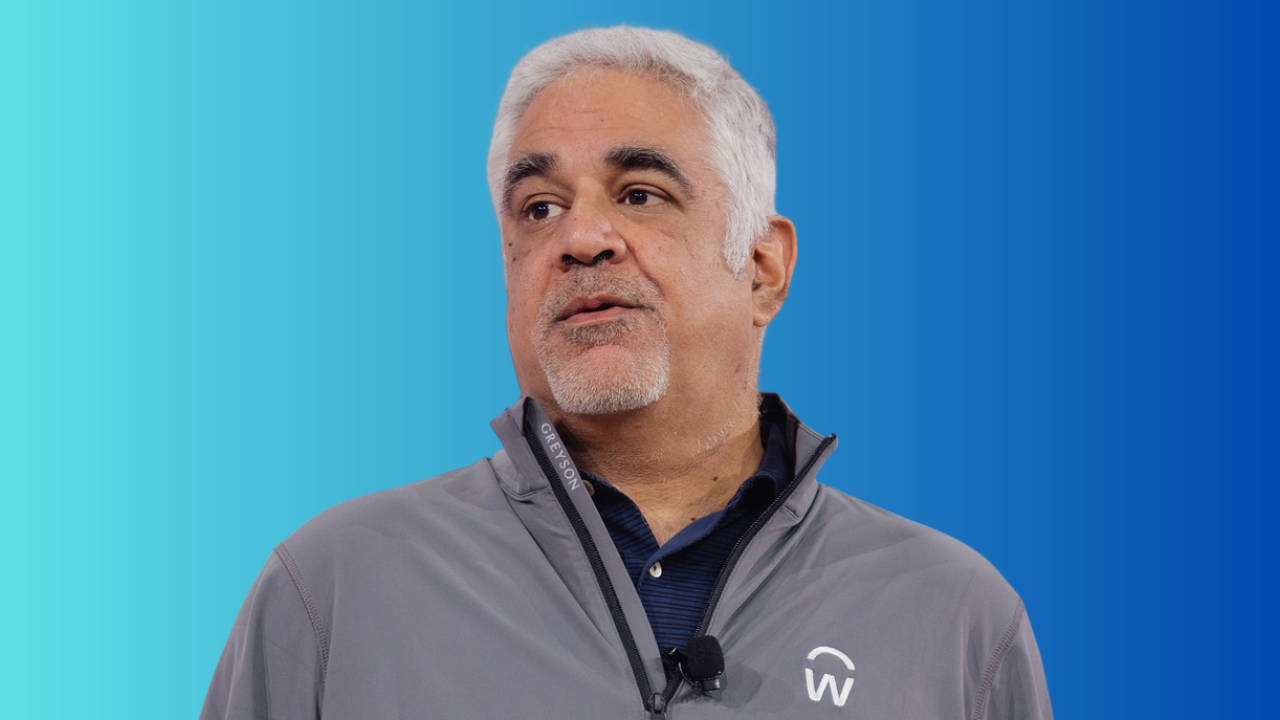

Every software company in the world is busy trying to reinvent and rejuvenate itself with AI, and a lot of that feels like an old phone in a new case, if you know what I mean. But that’s not the case as far as Workday’s AI pivot goes, according to co-founder, CEO and chair, Aneel Bhusri.
 Survey
“You know, I do think we are at that re-founding moment. That’s not marketing. That’s actually how we’re thinking about the company.”
From a co-founder nine months into his return, that’s not a throwaway line. Especially when juxtaposed against what Bhusri had to say about legacy SaaS giants.
“I have a lot of respect for SAP and Oracle, but I do think they’re dinosaurs. So I’ll just leave it there. I mean, they’ve built their businesses, but their technology is outdated. They’re not architected for AI. They don’t have a single data model, the combined data set, the single version of the software,” Bhusri said, without mincing any of his words.
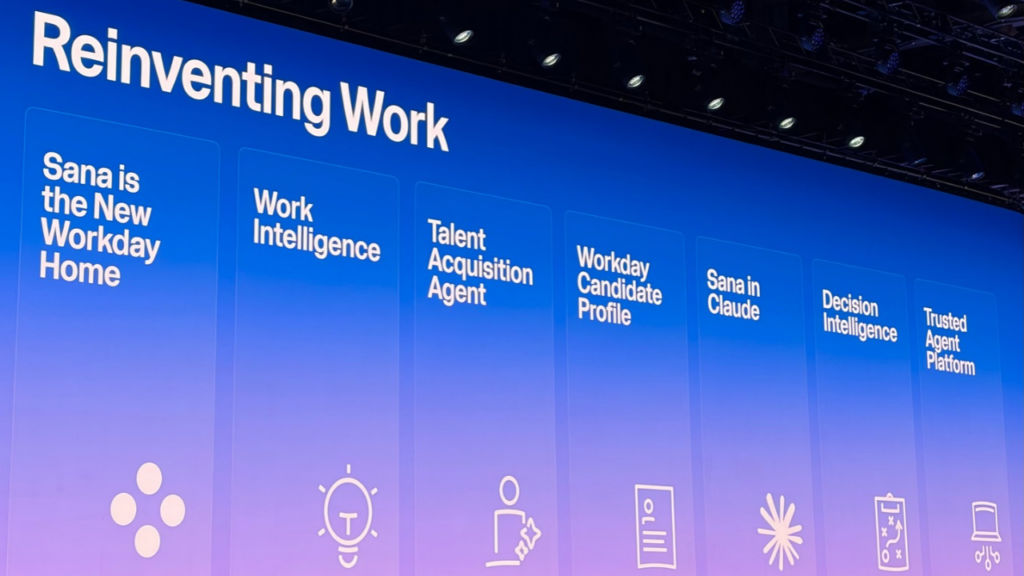
Also read: Workday Rising 2026: Workday wants to be the system of record behind every AI assistant
“You really do need great data to drive LLMs to give you great outcomes on AI. Our competitors just don’t have that,” according to Aneel Bhusri. It all boils down to the data, something that Bhusri thinks Workday has spent two decades building HR and finance on a single data model – which is Workday’s secret sauce, in a nutshell.
Every agent needs an employee ID
Having fired shots at competition, Bhusri isn’t resting on his laurels just yet, as evidenced by Workday’s acquisition of identity governance firm C1.ai as an essential piece of the AI-enabled governance puzzle inside companies of all shapes and sizes, something that Bhusri thinks the industry hasn’t yet grasped fully.

“The source of identity is the HR system. Who works for who? Who’s employed? Who’s not employed? Who got hired? Who got fired? That all starts in the HR system. So where do all the identity systems get their identity from? The HR system.”
If AI agents are going to get increased autonomy inside HR systems, do stuff like run payroll and screen candidates, Workday argues they need roles, permissions and auditability – exactly like human employees.
And what about scenarios where automated agents get stuff wrong? Bhusri was surprisingly blunt on who shoulders the liability. “If there are mistakes along the way, if it’s a software mistake, it’s our issue,” Bhusri said. ”If it’s a deployment and a configuration issue that the customer gave the agent more access than they should, that’s their issue. Surprisingly, in the enterprise world, the lines are much clearer than they are in the consumer world.”
AI’s impact on jobs and lessons for India
Workday has cut staff recently, and Bhusri refused to blame the difficult decision on the convenient AI narrative many tech CEOs are quick to offer.
“I want to address those cuts that we had recently. Those were not tied to AI,” Bhusri said, while being candid about the real reason. “We were a bloated organization. There was, in some parts of the development organization, ten layers between me and the developer getting work done. It was the actual individual contributors, the developers themselves who said, they couldn’t get anything done.”
In terms of the future of jobs in an increasingly AI-enabled workforce, Bhusri was asked if automation-costing tools might push more jobs to low-cost geographies like India. Bhusri had a completely unique point of view in his response.
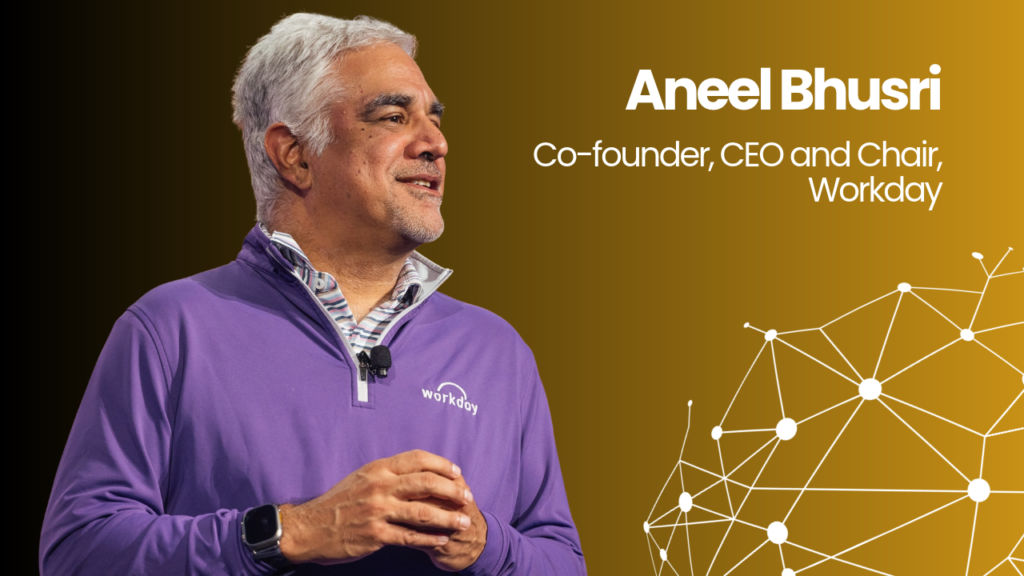
“I worry that the low-cost jobs are the ones that are going to get replaced by AI. It’s not about cost, it’s about productivity. It’s about people that are at the cutting edge of whatever discipline they’re in. It will lead to a lot of the low-level automation jobs that have been outsourced getting replaced by AI,” according to Bhusri.
For India’s IT services and back-office ecosystem, Bhusri’s view isn’t that work moves to low-cost markets – AI ensures that outsourced work stops needing humans at all. This also means that cutting-edge talent can come from any place in the world.
Bhusri also spoke about his concern on difficulty in getting jobs for fresh graduates. “Well, I actually worry about college grads getting jobs. I think that’s going to be impacted, and that is not a good sign,” he said. “We have to solve that as a society in these first-world countries. Because a lot of those jobs are actually the kind of jobs that AI can probably do.”
That’s the uncomfortable paradox of AI and careers – if the entry-level rung disappears, how does anyone climb to the second one? When always-on Autopilots run payroll, ledgers and hiring pipelines in production – and someone has to answer for what happens next. Workday and Bhusri don’t claim to have all the answers, but they offer the most thoughtful and comprehensive hint yet.
Also read: Workday opens its platform to AI agents: Autopilot Agents and Headless Access explained


