
Why Blindsight could define Elon Musk more than Tesla or SpaceX
 Follow Us
Elon Musk says Blindsight will let the blind finally see by end of 2026
Neuralink bypasses eyes, sending camera data directly to brain
Breakthrough could eclipse Tesla and SpaceX in legacy for Elon Musk
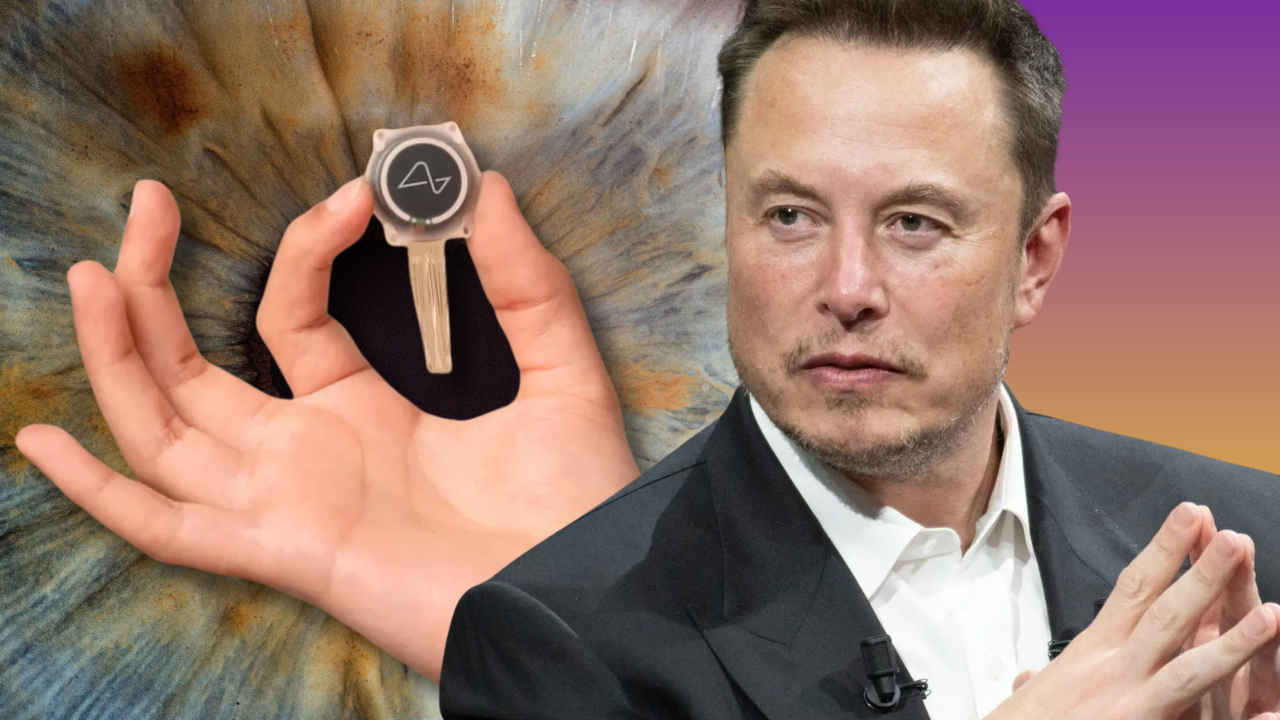

“Blindsight will enable those who have total loss of vision… to be able to see again,” tweeted Elon Musk.
 Survey
That’s not the kind of tweet you scroll past without a second thought, despite everything that Elon Musk is guilty of tweeting more often than not. For once, what Musk said had deep meaning in the realm of human possibility.
There’s been a major development in Blindsight’s potential to make a meaningful impact in people’s lives. In case you don’t know, Neuralink’s Blindsight – a brain implant designed to restore vision by bypassing damaged eyes or optic nerves and directly stimulating the visual cortex – just crossed a threshold that seemed more science fiction than hard, cold reality.
This Blindsight brain implant has been granted FDA Breakthrough Device status and is gearing up for its first human implants in 2026, pending regulatory clearance in the coming weeks and months. The wildly impossible thought of people living blind their whole lives or who lost their vision due to some accident might actually see again is actually closer to reality.
Also read: Elon Musk’s Neuralink gets FDA approval for Blindsight device to restore vision
In the past, Elon Musk has suggested how this vision restoration process will work through Neuralink’s Blindsight brain chip implant. “To set expectations correctly, the vision will be at first be low resolution, like Atari graphics,” Musk pointed out. “But eventually it has the potential to be better than natural vision and enable you to see in infrared, ultraviolet or even radar wavelengths, like Geordi La Forge.”
Blindsight could be Elon Musk’s saving grace
Of course, we all know that what Musk says and what Musk does can be two different things. Here we are in 2026, and Twitter, I mean X, is still a dumpster-fire, where Elon Musk’s own posts oscillate wildly between cryptic memes, rhetoric about AI risk, insensitive fun at other’s expense (like the Grok viral bikini trend), and other routinely baffling pronouncements.
No doubt, Elon Musk is a divisive figure, but what he can’t be accused of is not doing enough in terms of personal ambition and desire to push the boundaries of technology not just for the sake of speed, but for serious human impact. And Blindsight might just be the clearest manifestation of that.
Also read: Neuralink’s competitor restored eyesight in blind patients with this retinal implant: Here’s how
SpaceX and Tesla are game-changing, yes, but also deeply polarising. SpaceX made rockets reusable but didn’t stop orbital debris. Tesla accelerated EV adoption but triggered existential debates about self-driving automobiles. Musk’s legacy in those arenas will always be a mixed bag of brilliance and self-sabotage.
But restoring sight? Now that’s a different tier.
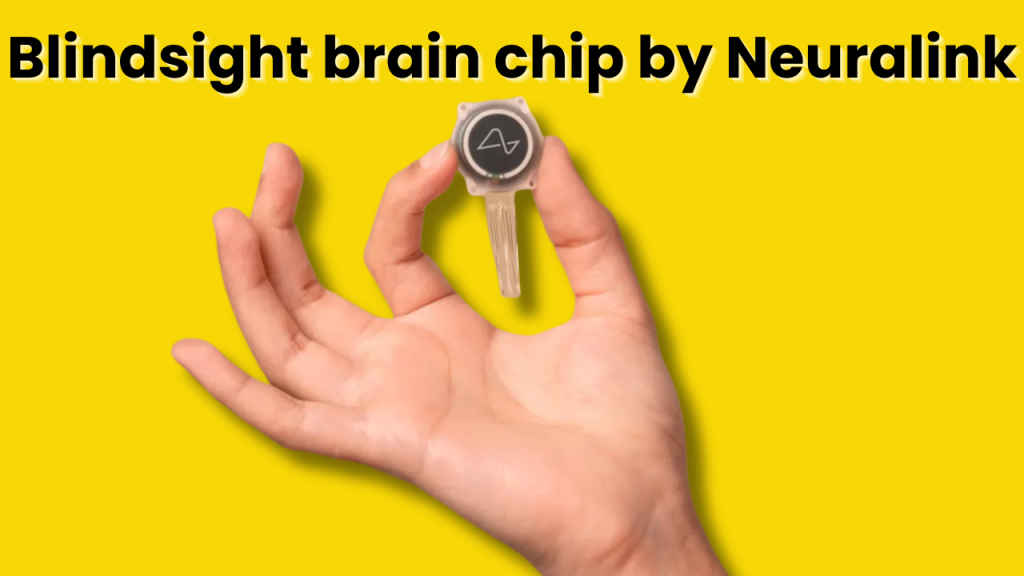
This isn’t about cars or rockets anymore. It’s about the human sensory experience – something fundamental to all of us which we can deeply relate to. Neuralink’s approach with Blindsight isn’t merely implanting a device, but deeply enriching the patient’s quality of life. Early vision might resemble primitive pixel maps, but for someone who has never seen, that’s nothing short of a new ability to sense the world and live better.
My bet is that decades from now, when historians try to sum up Musk’s legacy, moments where neuroscience and silicon first merged to give a blind person vision will truly shine. They’ll reference that pivot point in late January 2026 when regulators, engineers, and a controversial billionaire stood on the brink of rewriting what it means to see.
More than Model S deliveries or reusable rocket boosters landing on drone ships, and definitely more than all Musk’s online chaos, this Neuralink Blindsight could be the indelible mark of the man.
When the dust settles, people won’t remember the tweet storms. They’ll remember the first time a blind person opened their eyes and saw because of Blindsight. And that might just be Musk’s most human achievement yet.
Also read: Elon Musk’s Neuralink to mass produce brain chips in 2026, eyes nearly fully automated surgeries


