
Smartphones to electronics: Why India-EU FTA is great for Made in India tech
 Follow Us
India gains faster access to $750 billion EU electronics market, thanks to FTA
Local manufacturing boosted through tariff cuts and component imports
Compliance, R&D and quality upgrades now mission-critical for Indian tech exporters
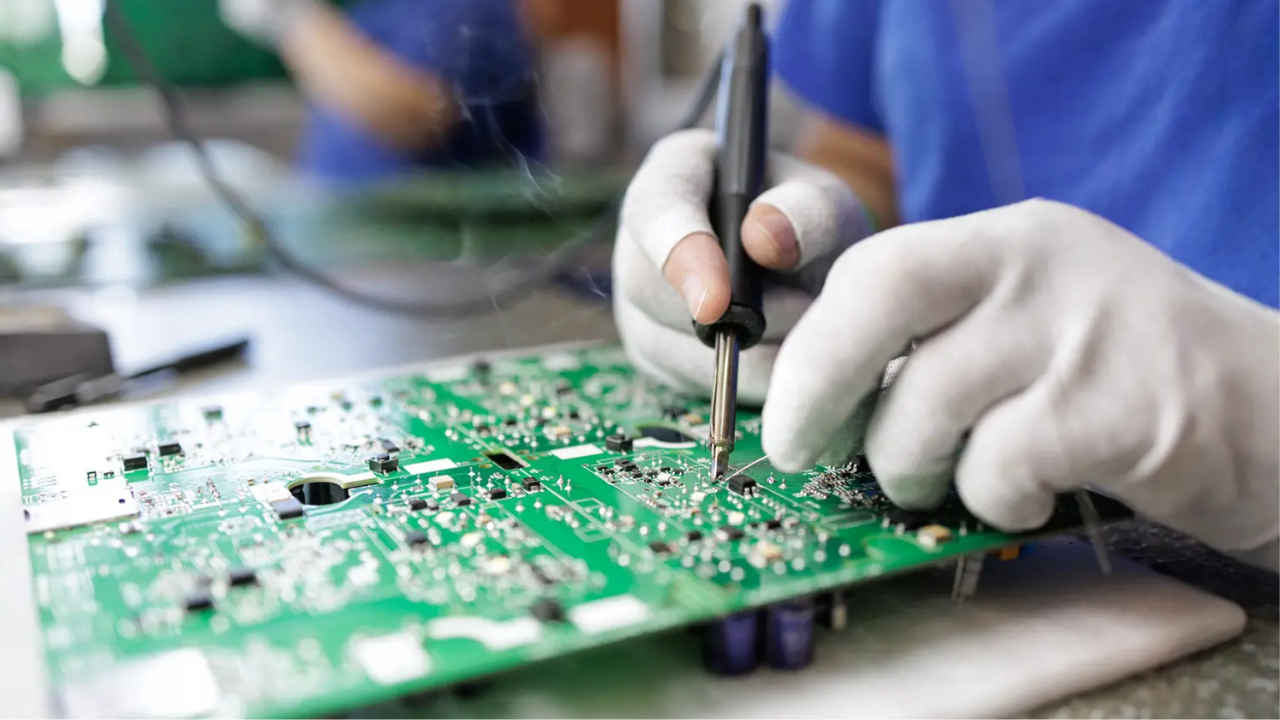

If you squint past the legalese and the summit selfies, the India-EU Free Trade Agreement (FTA) signed in January 2026 is a turning point for Made in India tech. India’s electronics manufacturing sector – arguably the country’s most quietly ambitious play in global tech – stands to benefit beyond just exports.
 Survey
The big headline, of course, is tariff elimination on 99.6% of Indian electronics exports to the EU, which previously faced duties as high as 14% – no more of that soon. It will help revitalise Indian factories churning out everything from LED bulbs in Noida to air conditioners in Andhra Pradesh. Why? Because, suddenly, Europe’s $750 billion electronics market isn’t just a pipe dream.
While there’s real demand, real spending power from Europe for Indian electronics, but with it comes stricter certification standards. For me, this rite of passage is key, as these stricter certification hurdles faced by Indian tech manufacturers will help raise the standard of finished goods for here in India, as much as it’s exported to Europe.
Mutual recognition of product certifications as one of the conditions in the India-EU trade deal means Indian goods can skip months-long compliance limbo and ship straight to shelves in Berlin to Bologna. For Indian hardware companies used to death-by-red-tape, this is fast burning rocket fuel for unshackled speed.
Also read: Innovating India: 5 key tech missions powering India’s digital future
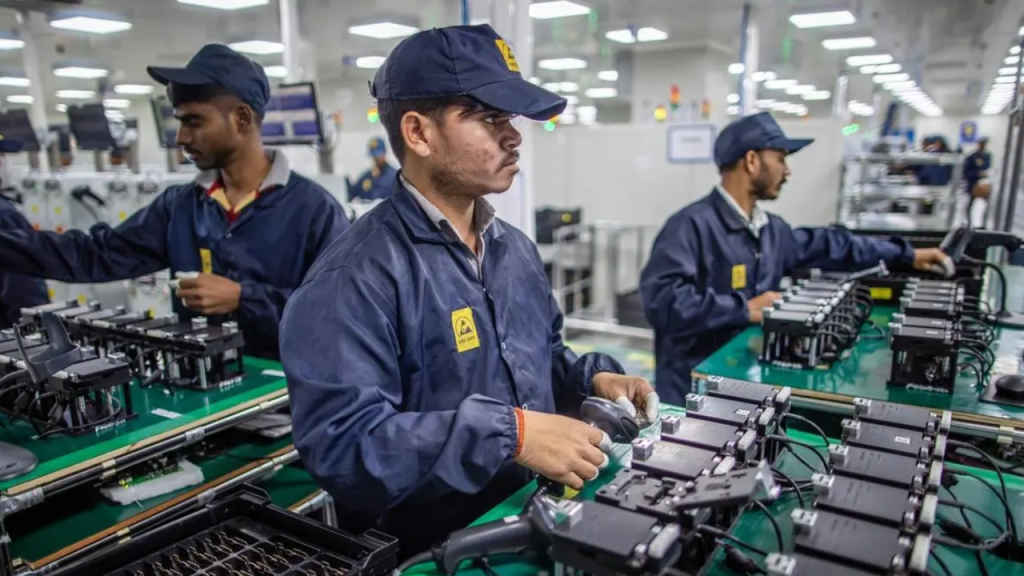
Of course, the blessing in disguise here for Indian electronics manufacturers is matching European quality standards. EU regulators are famously unforgiving, which I think is a good thing for Indian tech makers. That’s going to force Indian manufacturers to upgrade testing and emissions compliance. So, yes, while the gates are open, Indian electronics manufacturers need to rise to meet a higher bar – which will ultimately benefit consumers here in India as well.
The India Cellular and Electronics Association (ICEA) projects Indian electronics exports to the EU will hit $50 billion by 2031 and double to $100 billion by 2040. But what excites me more than the numbers is the ecosystem effect.
Also read: Made in India iPhone: How India’s saving Apple from Trump’s China tariffs
This is no longer just about assembling phones or shipping TVs. Lowered import duties on EU components – currently pegged at $9.4 billion – mean more local value addition. Indian MSMEs, the unsung heroes of PCBs and plastic injection moulds, now have reason to level up. And when local supply chains grow teeth, manufacturing quality – and local employment – follows. It also nudges India closer to something it’s long wanted to do – becoming a trusted node in the global electronics supply chain.
There’s something more to deliberate here, from India’s perspective. With easier access to EU components, there could be a temptation to quickly become an assembly-first economy like Vietnam and Malaysia. But India’s long-term tech sovereignty should demand more than screwdriver assembly lines.
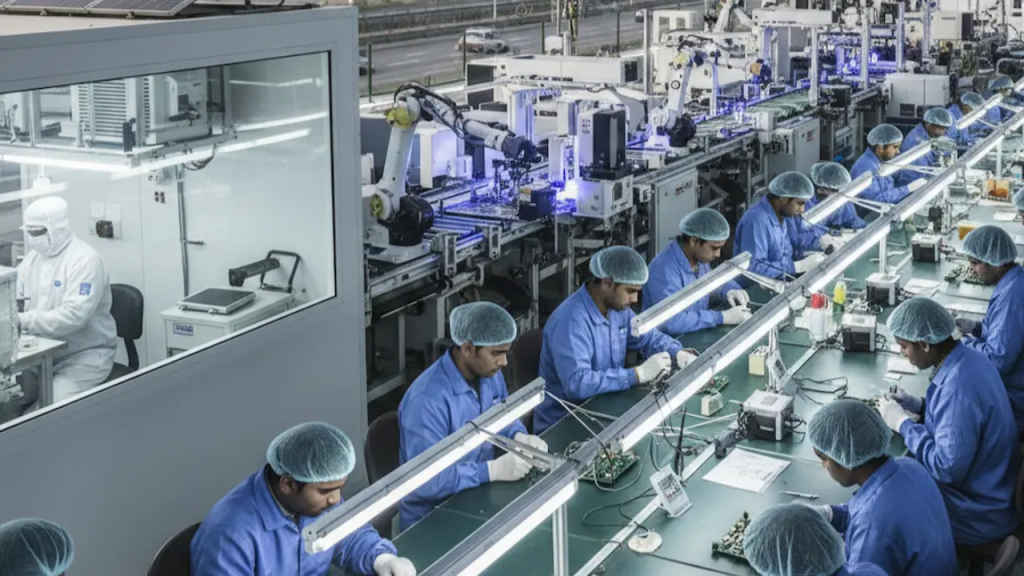
As best as I can gather, for India to benefit from the zero-tariff regime of the deal with the EU, a high percentage of any given product’s value has to be generated in India. That’s a push toward local R&D, tooling, and component innovation. Jugaad-based production needs to be replaced by process-led excellence for that to happen.
The India-EU FTA isn’t the destination, but a well-timed unlock code. To leverage it fully, Indian electronics players need to graduate from “good enough for domestic” to “good enough for Düsseldorf.” Think ISO standards, circular economy readiness, and carbon-aware product design. That’s going to be the long-term win for India.
Also read: 5 Made in India defence tech that we are all proud of


