

5 Made in India defence tech that we are all proud of
 Follow Us

As images of the Indian Army’s new rifle-mounted robotic dogs (MULEs) flood our timelines ahead of the 77th Republic Day, it feels like we have officially stepped into a sci-fi timeline. These four-legged autonomous snipers, capable of climbing the Himalayas and clearing terror hideouts, are a bold statement of where we are going. But while these robotic marvels represent the future, our sovereignty today was secured by the machines that have already tasted gunpowder.
 Survey
If Operation Sindoor and the border conflicts of 2025 taught us one thing, it’s that modern warfare isn’t just about having the biggest gun – it’s about having the smartest tech. And for the first time in decades, the smartest tech saving lives on our borders wasn’t just unboxed from a foreign crate. It was coded, forged, and assembled right here at home.
While the Rafales and S-400s grabbed the headlines, the real backbone of the 2025 defence grid was the indigenous machinery working silently in the background. From “soft-killing” drone swarms to precision artillery, here are five pieces of Made-in-India active-duty tech that are redefining our defence capabilities.
The swarm stopper: DRDO-Adani VMCDS
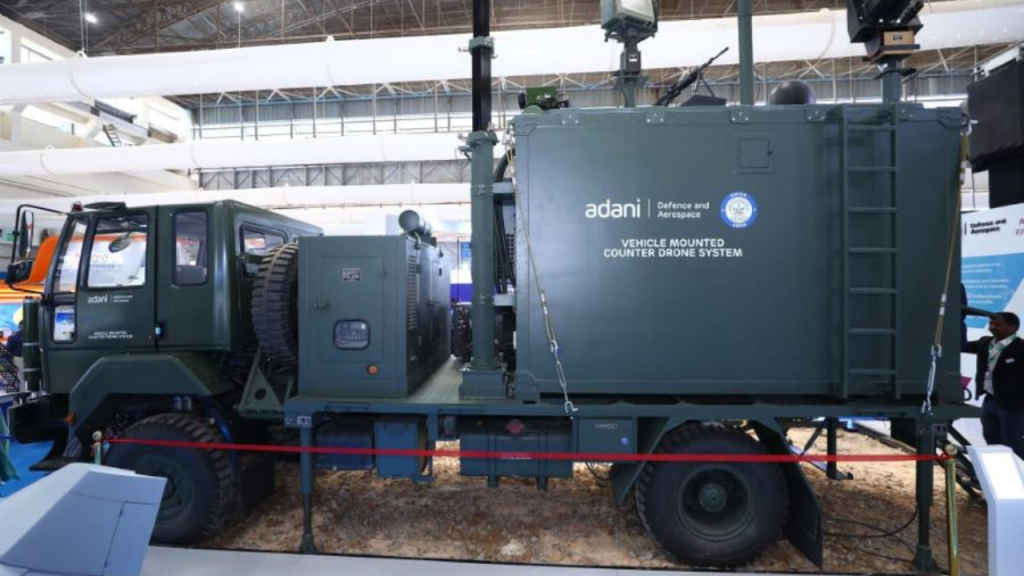
The conflict saw the skies light up with hostile drone swarms, but they met a new match in the Vehicle-Mounted Counter-Drone System (VMCDS). A joint marvel by DRDO and Adani Defence, this system is essentially a mobile “No Fly Zone” on wheels. It doesn’t just shoot; it thinks, integrating radar and electro-optical sensors to detect low-flying threats instantly.
Its real flex lies in its versatility. The system offers a “Hard Kill” option using laser-guided kinetic weapons and a “Soft Kill” capability that jams signals to drop drones out of the sky without firing a shot. In the chaotic airspace of 2025, this system was the goalie that kept our forward bases safe from loitering munitions, proving that the best offence is sometimes an impenetrable, indigenous defence.
The silent assassin: Nagastra-1
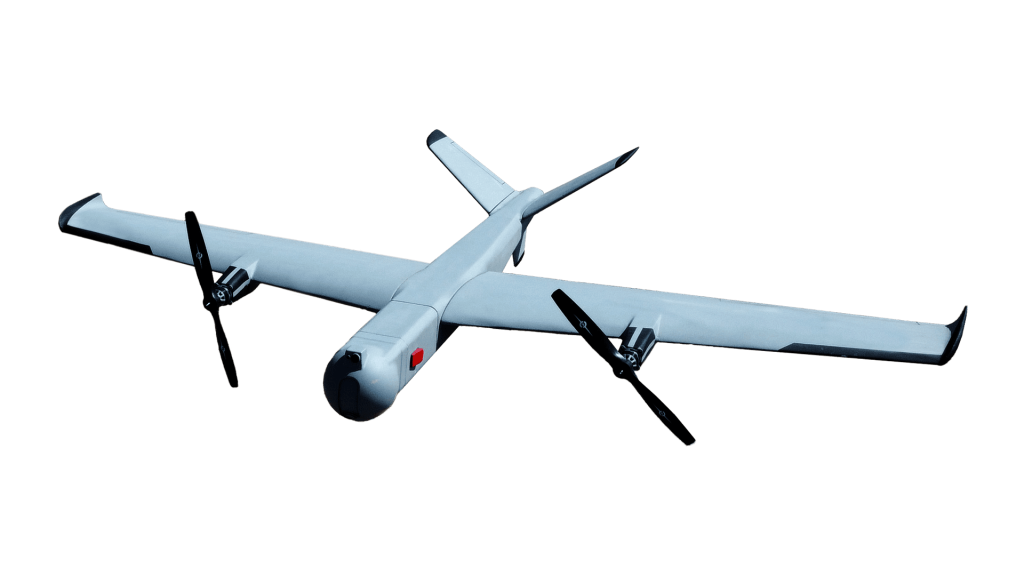
While the headlines mentioned generic “loitering munitions,” the star of the show for the infantry was the Nagastra-1. Developed by Solar Industries, this is India’s answer to expensive foreign imports. It is a “kamikaze” drone with a Circular Error Probability (CEP) of less than 2 meters, capable of hovering over enemy territory, waiting for a target to reveal itself, and striking with surgical precision.
What makes the Nagastra truly special and economically viable is its “abort, recover, and reuse” capability. Unlike traditional missiles that are “fire and forget,” the Nagastra can be called back if a target isn’t found, landing safely to be used another day. It represents a shift in doctrine where lethality meets sustainability.
The mountain ghost: LCH Prachand
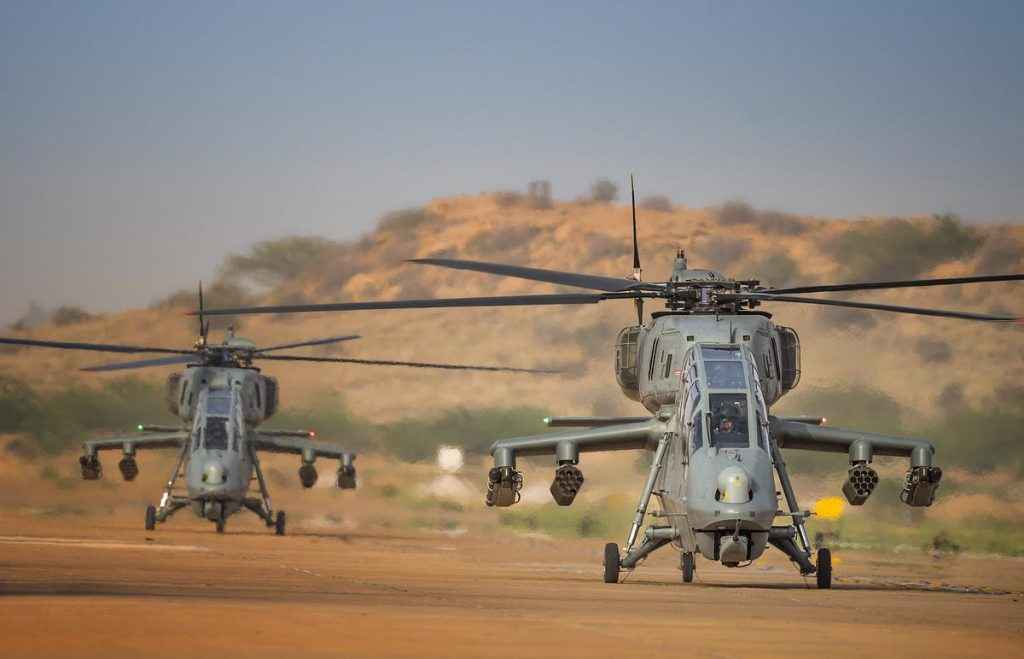
During the high-altitude skirmishes, standard attack choppers struggled with the thin air, but the LCH Prachand (Fierce) thrived. It is the only attack helicopter in the world designed specifically for the brutal heights of the Siachen Glacier and Eastern Ladakh. With its twin Shakti engines and a narrow fuselage designed for stealth, it remains agile at altitudes where other machines gasp for air.
While other nations’ heavy attack helicopters were grounded or operating with reduced payloads during the standoff, the Prachand was flying sorties with a full weapons load. It busted bunkers and provided air support at 16,000+ feet, proving that Indian engineering understands Indian terrain better than anyone else.
The Iron Dome sibling: Akash Prime (Akash-NG)
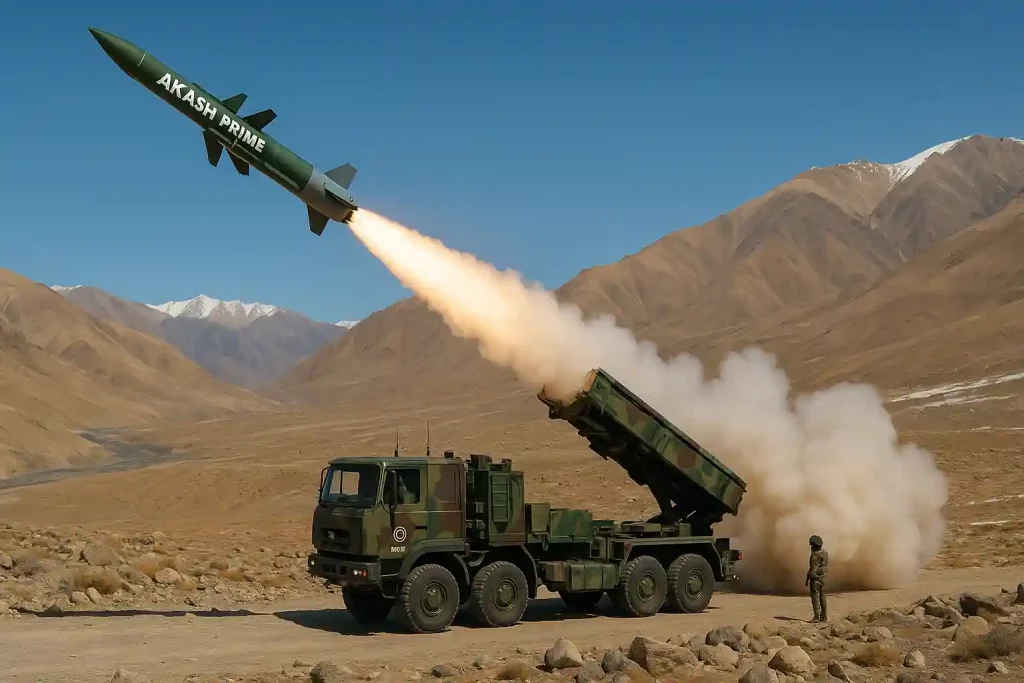
While the S-400 “Sudarshan Chakra” handles strategic threats from hundreds of kilometers away, the Akash Prime is the workhorse protecting our convoys and tactical bases on the ground. The newer variants of this system feature an active Radio Frequency (RF) seeker, meaning the missile guides itself in the terminal phase with pinpoint accuracy rather than relying solely on ground radar.
Fully ruggedized for the Himalayas, Akash units were critical in the recent grid deployments. While the big systems watched the horizon, Akash units were the ones locking onto enemy fighter jets and drones trying to slip through the valleys and gaps in the mountains, serving as the unbreakable middle layer of our air defence shield.
The god of war: Pinaka Mk-1 (Guided)
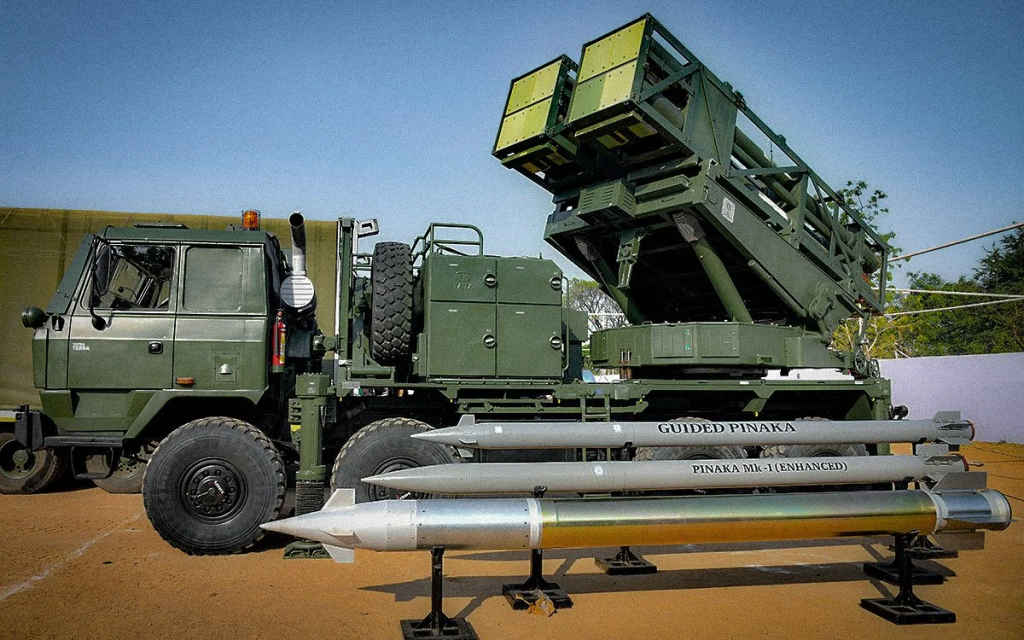
Artillery wins wars, and the Pinaka system remains the most terrifying “Made in India” sound on the battlefield. A single battery can fire a salvo of 12 rockets in just 44 seconds, effectively obliterating a 4 square kilometer area. However, the recent upgrade to the “Guided” Pinaka has transformed this area-weapon into a precision instrument.
In the 2025 theatre, we didn’t just need to hit a general area; we needed to hit specific terror launch pads without causing collateral damage. The Guided Pinaka provided sniper-like precision with artillery-level destruction, allowing Indian forces to strike targets deep inside enemy lines with high accuracy, proving we don’t always need an airstrike to send a definitive message.


