
Semicon India 2026: What industry leaders expect from India’s biggest chip gathering
 Follow Us
Industry leaders expect Semicon India 2026 to shift decisively toward execution
Design, testing and product engineering emerge as key next priorities
India’s semiconductor opportunity increasingly extends from silicon to systems

Semicon India 2026 opens tomorrow, signalling the next chapter in India’s semiconductor manufacturing ambitions. The million dollar question that needs answering is what happens next in the next phase of this journey.
 Survey
Since past Semicon India chapters, one thing is crystal clear. India’s shown it has the capacity to attract investment into semiconductor design and manufacturing. But it’s a long and complex road, even as the fledgling ecosystem of building silicon chips flourishes in India.
With hundreds of exhibitors and delegates from over 40 countries expected to attend Semicon India 2026 between September 17-19 in New Delhi, what’s expected to emerge from all the keynotes and various sessions?
According to industry leaders Digit contacted, five key themes are expected to emerge from Semicon India 2026. How Indian IP and products can multiply, manufacturing innovation driven by AI, and a bigger role for product engineering. Investments in the testing ecosystem are expected to grow, as India’s semiconductor industry continues to level up.
Cadence: Moving from services to Indian IP
According to Cadence, India’s long-cherished chip design isn’t just viewed as an engineering capacity hub for global companies, but a key source of made-in-India products and chip-related IP.
“Semicon India 2026 will be an important platform to showcase the momentum and exciting possibilities ahead for India’s semiconductor ecosystem. With ISM 2.0 and other enabling policy initiatives, we are seeing the ecosystem evolve beyond traditional design services towards greater innovation, IP creation and product development,” says Alok Jain, Corporate Vice President & India Managing Director, Cadence.
Also read: India’s real chip opportunity is supply chain, says Lam Research’s Rangesh Raghavan
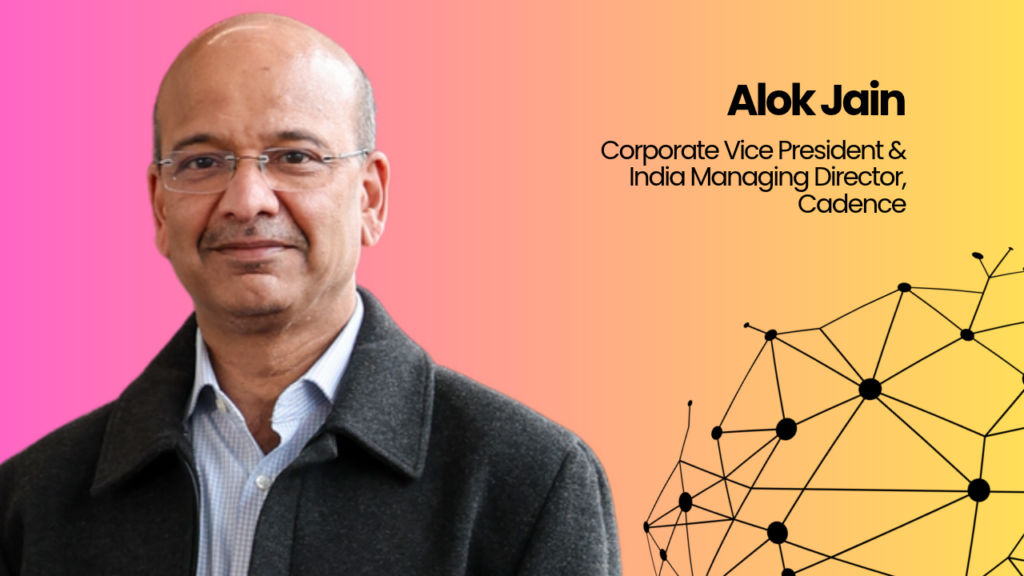
“What is particularly encouraging is the emergence of a new generation of Indian semiconductor startups that are developing innovative technologies and products for global markets, while benefiting from much-needed policy, funding and ecosystem support. As these efforts come together with India’s deep engineering talent and growing investments across the semiconductor value chain, we believe India is well positioned to evolve from being a major contributor to global semiconductor R&D to becoming a significant source of semiconductor innovation and intellectual property,” Jain says.
Applied Materials: AI-enabled manufacturing innovation
AI is driving extraordinary chip-led compute demand, but it can’t be consuming power in a linear fashion. And that constraint will push materials engineering and manufacturing tech closer in the semiconductor ecosystem, believes Applied Materials. It will be important for India as it looks to expand its physical manufacturing value chain.
“Semicon India 2026 comes at an important moment in India’s semiconductor journey. Across industry, government, academia and startups, there is real momentum behind building a stronger ecosystem and the capabilities that will define the next phase of growth. AI is asking this industry for chips that are more powerful and far more energy-efficient, and those are materials and manufacturing problems at their core,” says Avi Avula, President, Applied Materials India.
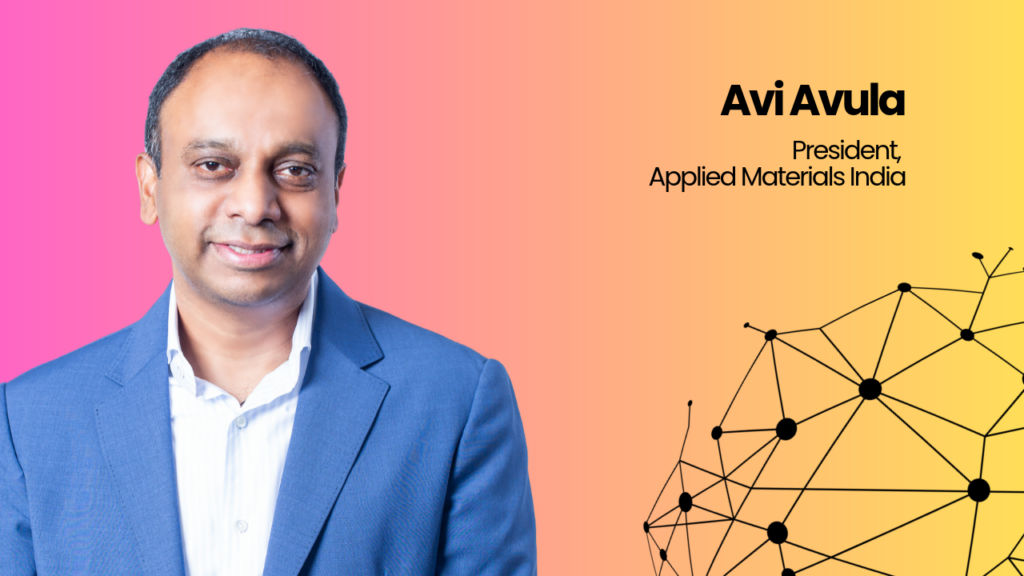
“India is well positioned for this, one of the world’s largest pools of engineering talent, expanding research capability, and an ecosystem now reaching across design, manufacturing, equipment, materials, and supply chains. Applied Materials has been part of this journey for over two decades, and the problems India is taking on now are the ones we have spent that time working on. India has a meaningful contribution to make to this industry, and we’re glad to be working alongside it,” Avula reiterates.
Sasken: India need not win by fab scale alone
Sasken’s Rajiv C Mody argues for a somewhat broader definition of success in India’s semiconductor policy – beyond just measuring progress through wafer capacity.
“India’s semiconductor ecosystem is moving from ambition to execution, and SEMICON India 2026 is the right platform to showcase that shift. With Semicon 2.0’s ₹1.27 lakh crore framework and multiple plants entering commercial production, the narrative is shifting from policy announcements to scale, speed and real-world deployment,” believes Rajiv C Mody, CMD & CEO, Sasken Technologies.
Also read: Semicon India 2025: Indigenous chip manufacturing with “Made in India Chips”
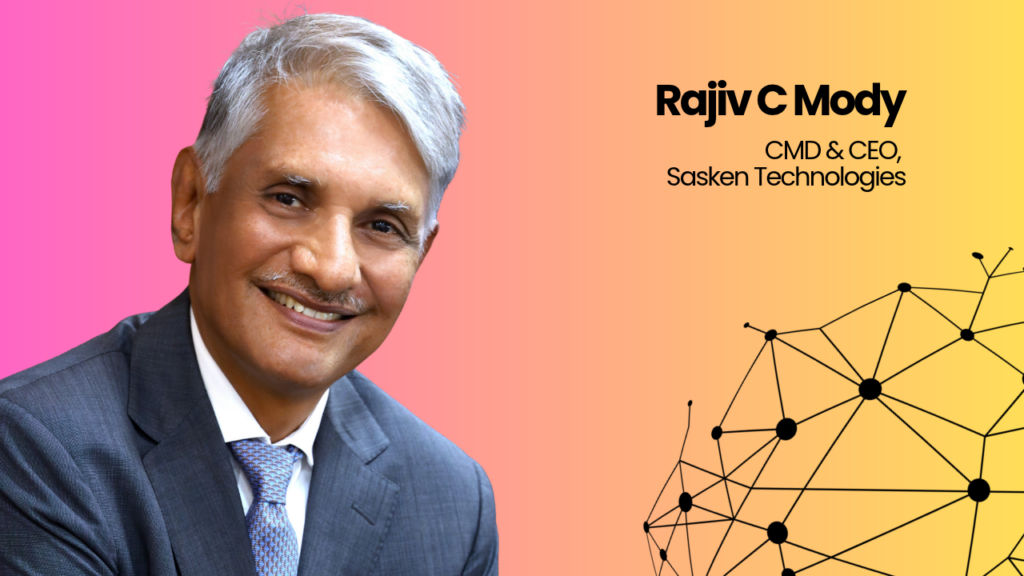
“We see India’s opportunity not in competing on fab scale alone, but in becoming a global product-engineering powerhouse where chips are conceived, validated and integrated into intelligent, connected solutions that customers trust,” he says.
“The next three years will determine whether India becomes a meaningful player in the $600 billion global semiconductor market. We’re not competing on manufacturing scale, we’re betting on design innovation, system integration excellence, and the ability to solve complex engineering challenges. Semicon 2026 can be the launchpad for that next phase – from capability to commercial impact, which is exactly the future we’re building toward,” according to Mody.
Teradyne: Making chips is only half the problem
As India’s facilities move towards production, Teradyne expects advanced semiconductor testing to become an increasingly important piece of the ecosystem.

“For Teradyne, India represents an important long-term opportunity. With new fabs and OSAT facilities coming up, advanced testing will be essential to scaling high-volume manufacturing and meeting the quality and reliability standards required by the global semiconductor industry. Strong collaboration across government, industry and the broader ecosystem will be critical to sustaining this momentum,” reaffirms Alpa Sood, India Country Manager, Teradyne.
Intel: What India builds with these capabilities is key
Simply establishing semiconductor capability is no longer enough, which is perhaps the clearest indication of how much the conversation has evolved around India’s chip making aspirations.
“It is about what we can build with those capabilities and how we turn them into lasting competitive advantage,” says Santhosh Viswanathan, Vice President & Managing Director, APJ region, Intel.
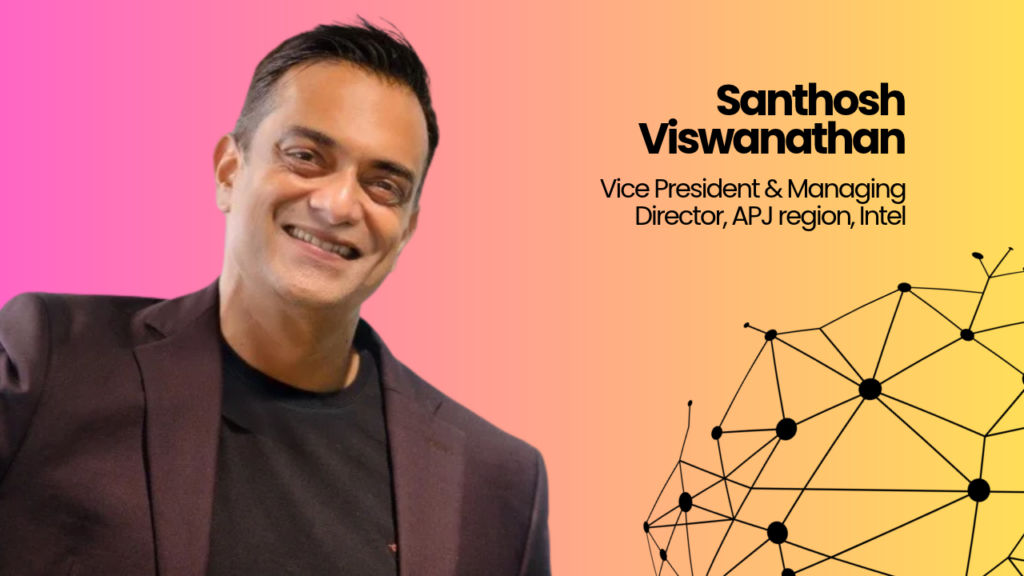
Beyond individual fabs or investments, a connected ecosystem approach is key, one that spans design, manufacturing, advanced packaging, and supply chains, which ultimately turns innovation into global products, according to Viswanathan.
“What makes India particularly interesting is the combination of engineering talent, market scale and an increasingly ambitious technology landscape. The opportunity now is to connect these strengths across the value chain and move toward an ecosystem that is not only resilient, but capable of innovation at scale,” Viswanathan sums up.
Also read: Marvell’s Navin Bishnoi on next chapter of Indian semicon and AI datacentre story


