

Samsung SATA SSD production halt explained: Why storage prices are rising
 Follow Us
Samsung halting SATA SSD production may push storage prices higher through 2027
Why Samsung’s SATA SSD exit could trigger a long-term SSD supply shock
SATA SSD prices explained as Samsung shifts focus to NVMe and AI chips

The golden era of affordable, high-capacity storage for budget PC builds and legacy upgrades appears to be coming to an abrupt end. According to a new report from renowned hardware leaker “Moore’s Law Is Dead,” tech giant Samsung is preparing to halt the production of its SATA SSDs entirely.
 Survey
While the tech industry has been aggressively pivoting toward faster NVMe (M.2) drives for years, a total exit by Samsung – the undisputed market leader in flash memory – is predicted to trigger a severe supply shock. Analysts warn this move could keep SSD prices inflated for up to 18 months, punishing budget-conscious consumers the hardest.
Also read: Crucial RAM is dead, blame it on AI: Why Micron is shifting its memory priorities
The “legacy” tech that won’t die
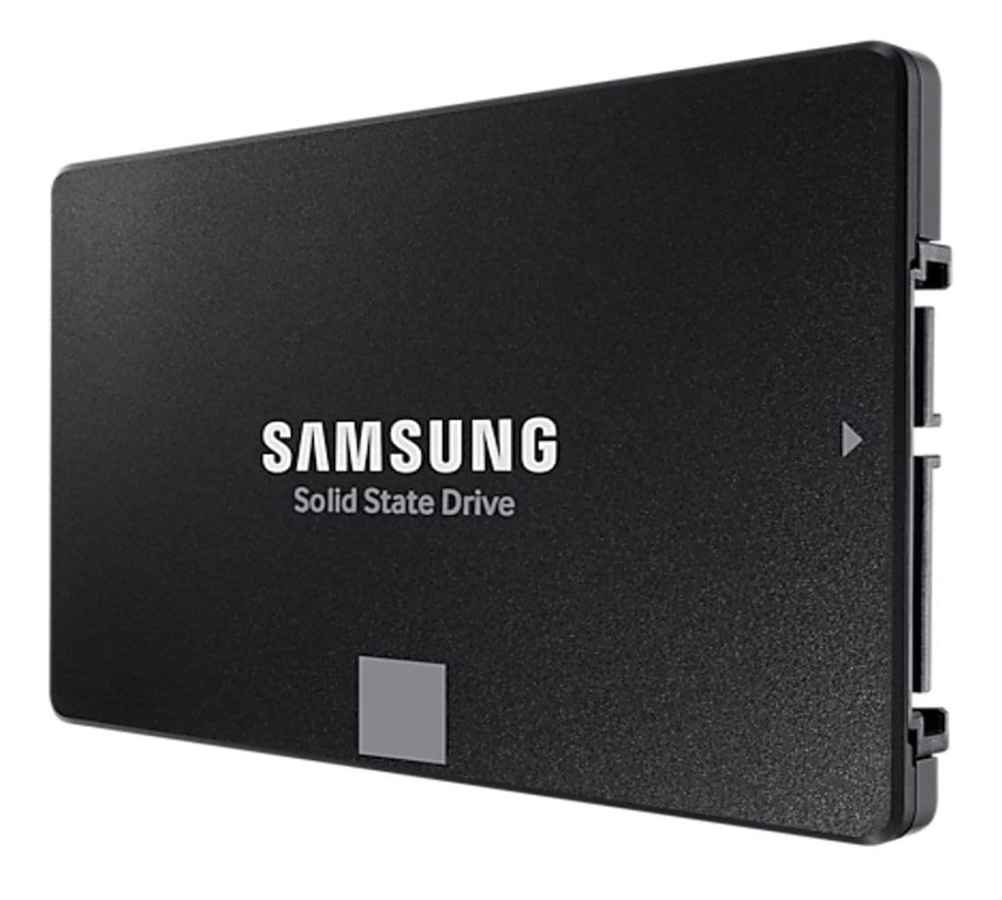
To the average enthusiast, SATA SSDs (the brick-like 2.5-inch drives) might seem like ancient technology compared to the gum-stick-sized NVMe drives of today. However, they remain a vital pillar of the computing world. The report highlights that SATA drives still account for roughly 20% of the best-selling SSDs on major retail platforms like Amazon.
They are essential for reviving older laptops that lack M.2 slots and serve as reliable, cheap bulk storage for desktop gamers. Samsung has long been the gold standard in this segment with its wildly popular 870 EVO and QVO series. If Samsung exits, they aren’t just removing a brand name from the shelf; they are removing a massive percentage of the global NAND supply.
Also read: Microsoft AI chief calls Elon Musk a bulldozer, praises Sam Altman’s AI push
Worse than the Micron/Crucial exit?
To understand the severity of Samsung’s reported move, it is crucial to compare it to another recent industry shake-up: Micron’s decision to end its “Crucial” consumer RAM lineup.
When Micron stepped back, it made headlines, but the impact on actual supply was largely symbolic. Micron did not stop manufacturing memory chips; they simply stopped selling them under their own “Crucial” sticker. They continued to supply the raw DRAM to third-party manufacturers like G.Skill and ADATA, ensuring the global volume of RAM remained stable.
Samsung’s move is fundamentally different. According to the leak, Samsung isn’t planning to rebrand its SATA capacity or sell the components to competitors. They are reportedly shutting down that specific production pipeline entirely after fulfilling existing contracts. This represents a “structural” loss rather than a branding change. There is no hidden inventory shifting to another label, the drives are simply disappearing from existence.
The AI factor
Why is Samsung doing this now? The answer likely lies in the global AI boom. Manufacturers are rapidly retooling their fabrication plants to prioritize high-margin components for AI data centers and next-generation consoles, leaving low-margin consumer legacy products behind.
For consumers, the outlook is stark. The report suggests that price pressure may not ease until 2027, when production capacity finally catches up. Until then, the threat of panic buying from system integrators could drive prices even higher. If you have been waiting to upgrade an old PC with a SATA drive, the window to do so at a reasonable price is closing fast.
Also read: Rapido CTO on AI, open source, drones and future of Indian mobility


