
RIP Blue Screen of Death: Saying goodbye to Windows BSOD feels weirdly sad
 Follow Us
The infamous BSOD originated as a brutal, cryptic failure screen on Windows PC screens for over 30 years
Infamous crashes: Windows 98 demo with Bill Gates and Halo 2 E3 embarrassment
Retirement of BSOD screen marks end of crisis-driven computing experiences
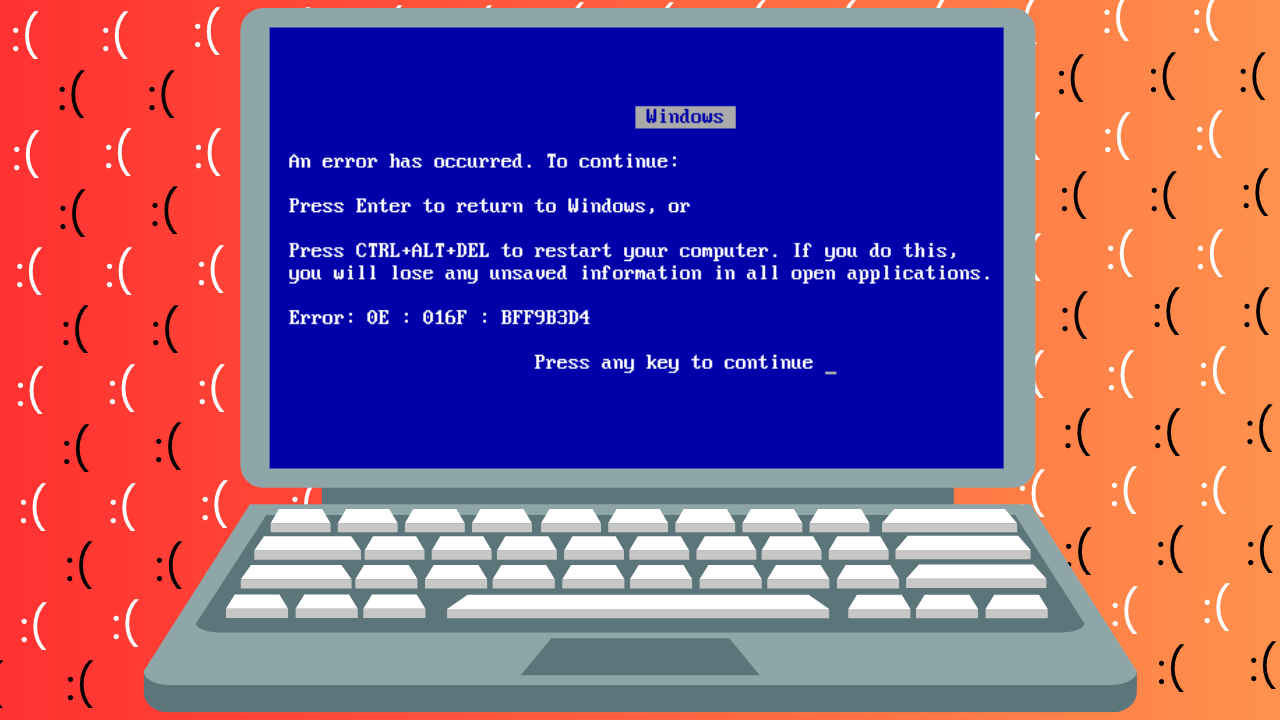

I still remember the first time my PC died on me. I had pressed on too many program icons too fast on my second-hand PC running on Windows 95 (it was my dad’s office reject), which unbeknownst to me sent it down a quiet but swift death spiral. Suddenly, without warning, the display was washed with a blue screen. I stared at the screen unblinkingly, thinking I had killed my dad’s PC for good.
 Survey
And just before thoughts of how to explain this mishap to my dad started flooding my head, the PC screen went blank and the system rebooted. That was my first taste of the infamous Blue Screen of Death, a mainstay on Windows PCs for the next three decades.
Also read: Microsoft to retire iconic Blue Screen of Death after 40 years: Here’s what’s replacing it
Though many trace the BSOD’s origins to Windows 1.0’s rudimentary crash traps in 1985, it wasn’t until Windows NT 3.1 in 1993 that Microsoft formalized its full-blown “STOP error” screen. Early PC hobbyists learned fast that a single bad driver, stray memory read or misaligned filesystem could send you hurtling back to square one. All your unsaved work had to be restarted from scratch, and it was brutal for productivity – something that contributed towards employees losing 30 minutes per week due to PC troubleshooting issues, according to a 2019 report.
Of course, who can forget the most infamous BSOD of all time, which perfectly summed up the state of the Windows operating system at the time. When in 1998, in front of hundreds of people watching live, and millions subsequently later, a Microsoft employee plugged in a scanner live on stage while Bill Gates was smiling through his Windows 98 presentation, the system crashed with a magnificent BSOD on the screen. The audience erupted, prompting Gates to say, “That must be why we’re not shipping Windows 98 yet.” I’m sure deep down, Gates was mortified for half a second, just like every Windows user who ever saw that blue screen for the very first time.
As notorious as Windows Me 2000 was for BSODs, it wasn’t until E3 2003 until the most iconic Windows operating system error made headlines once again. This time when Microsoft intended to showcase Halo 2’s multiplayer glory. Imagine thousands of frenzied gaming fans hanging onto every frame, only to be shockingly greeted by that same flat-blue error screen. The crowd went silent. PC gamers – hardened to crashes – watched in stunned disbelief as the industry’s crown jewel at the time faltered live on stage.
In 2011, the BSOD got a redesign, when Windows 8 introduced a minimalist look: a huge, cartoonish sad-face emoticon and a friendlier message. Suddenly, the BSOD looked almost cuddly. Later, Windows 10 Insiders got a green screen, a subtle nod separating beta bugs from public disasters. Through it all, the BSOD evolved visually but never lost its impact on PC users – a moment that forever demanded attention, reflection and, whether you liked it or not, a hard reboot.
Also read: CrowdStrike update: What is Blue Screen of Death? The issue affecting all Windows machines
So when Microsoft announced this month it will retire the BSOD, replacing it with a modern diagnostics overlay, it made me pause and reflect. For today’s always-online, auto-saving, mobile-first generation, system crashes are rare. Today when “refresh” means swiping down a mobile app, GenZ might never know the primal fear of a frozen post or the existential panic when “STOP: 0x0000007B” flashes on-screen.
For all that and more, the BSOD was more than an error screen, but a rite of passage through personal computing of the desktop nature. It was a humbling experience that all of us who grew up in the 90s and 2000s shared while tinkering with our PCs. Today’s Windows quietly logs and self-heals behind the scenes. Drives self-check, kernels isolate faults, and telemetry whispers back to Redmond before you even notice a glitch. All the drama, the shared gasp when the screen flips to blue? That communal moment is gone.
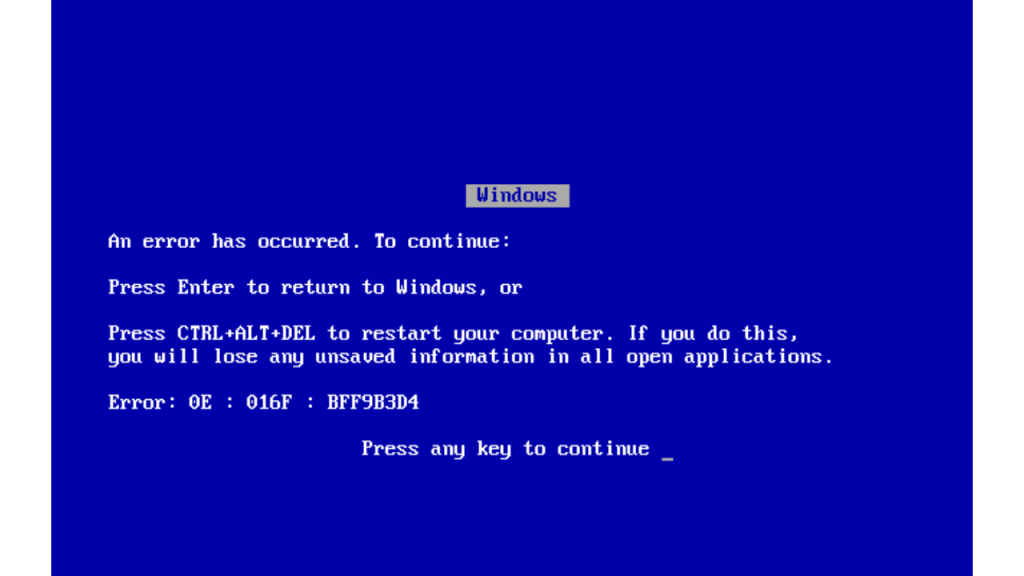
If you’ve never stared into the abyss of a BSOD, have you even truly used a PC? That mocking shade of blue taught us more than any polished UI ever could – that technology is ultimately fragile and fallible, just like us. Its passing marks the end of an era when computers still declared their errors out loud, teaching us to pay attention to our PC’s health.
So here’s to the big blue scare-screen, the one that made me sweat in panic, chase elusive drivers and become a better troubleshooter. Rest in peace, BSOD. I’ll miss the way you screamed for attention, the way you united me and my friends or users on an online forum seeking to decode your code.


