
On-device AI explained: Why Lenovo and Motorola are building their own assistant
 Follow Us
Lenovo and Motorola’s Qira shows why on-device AI matters
On-device AI rise explained through Lenovo and Motorola’s Qira
Lenovo and Motorola rethink AI assistants locally
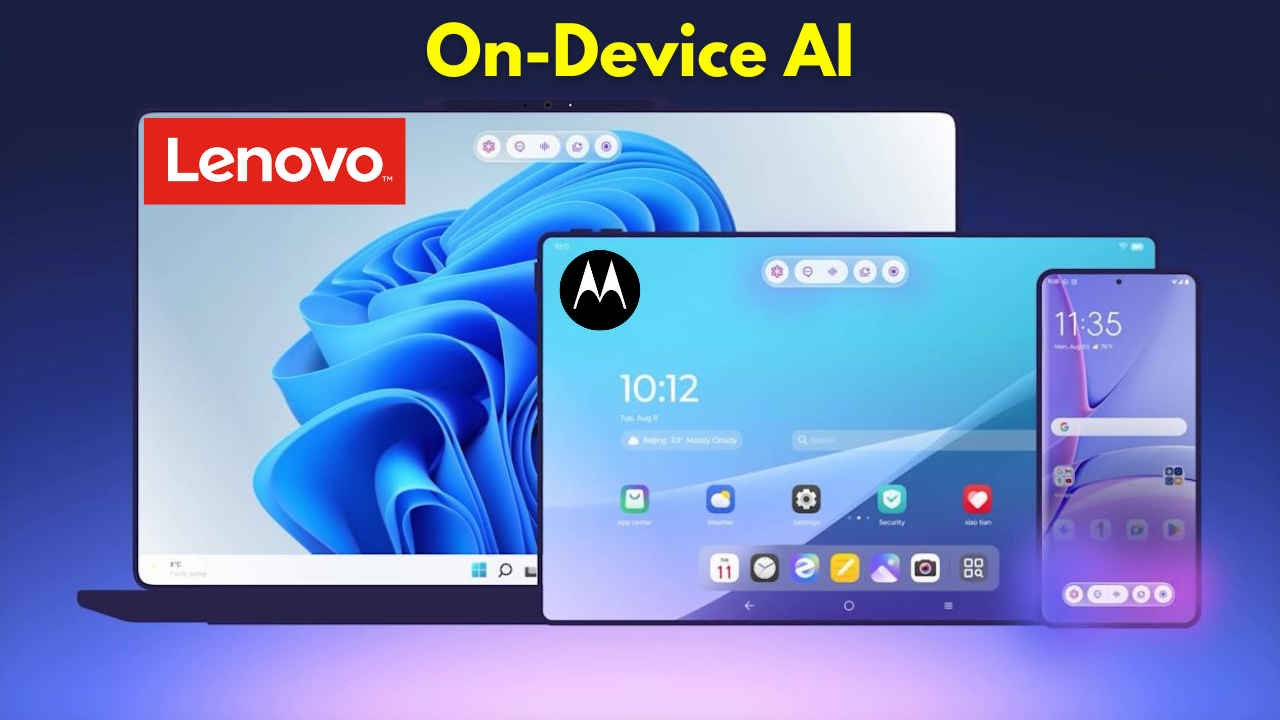

For years, digital assistants have relied on the cloud for almost everything. You speak, data is sent to remote servers, and an answer comes back moments later. This model powered early assistants, but it also exposed clear weaknesses around speed, privacy, and reliability. At CES 2026, Lenovo and Motorola signalled a break from that approach by unveiling their own on-device AI assistant called Qira.
 Survey
Qira is designed to run locally across Lenovo PCs and Motorola smartphones, using on-device processing rather than depending entirely on cloud servers. The announcement reflects a broader shift in how personal computing companies think about artificial intelligence. Instead of AI being something you access through an app or a web service, it is becoming something built into the core of the device itself.
Also read: Satya Nadella on AI in 2026: We will evolve from models to systems
Why the cloud-first model is breaking
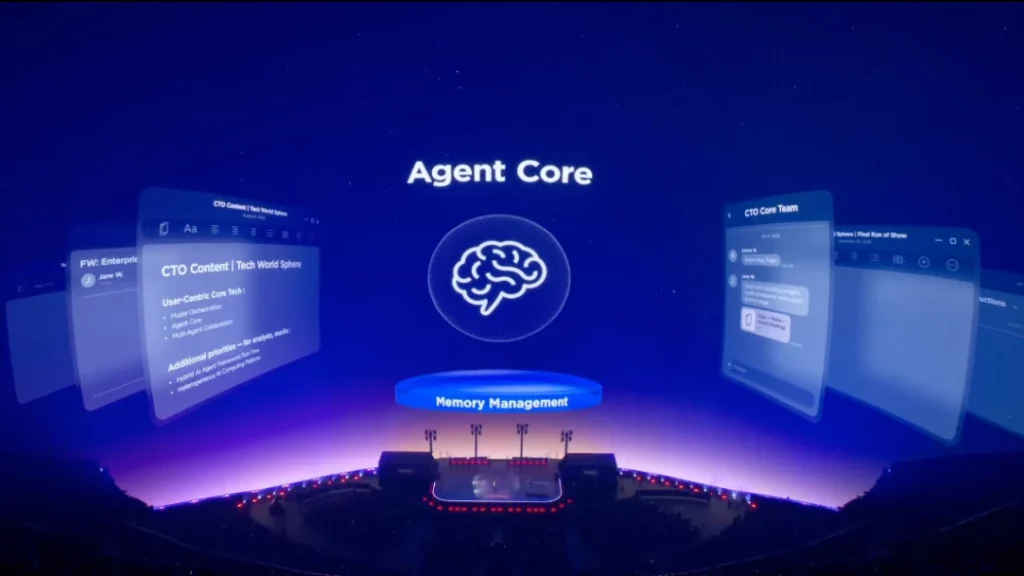
Cloud-based assistants made sense when consumer hardware lacked the power to run advanced models locally. That constraint no longer applies. Modern laptops and smartphones now ship with dedicated neural processing units built specifically for AI tasks. Continuing to send every request to the cloud increasingly feels inefficient.
Privacy is one of the biggest reasons for this shift. Traditional assistants require constant access to personal data such as emails, files, photos, and usage habits. As assistants become more contextual and proactive, the volume of sensitive information involved only increases. With Qira, much of that processing happens directly on the device, reducing the need for personal data to leave local storage at all.
Also read: NVIDIA at CES 2026: When AI learned to finally touch physical reality
Speed is another major factor. Even fast internet connections introduce delay. On-device inference removes that friction. Tasks like summarising notifications, drafting text, or pulling up relevant documents can happen instantly, even without an active connection. Over time, these small gains shape how natural and trustworthy an assistant feels.
Reliability also improves. Cloud services can fail or become unavailable. An assistant that relies on local intelligence continues to function regardless of network conditions, which changes how users depend on it day to day.
Control, context, and the future of personal computing
There is also a strategic reason Lenovo and Motorola chose to build Qira themselves. Relying entirely on third-party AI platforms means giving up control over user experience, data flows, and long-term product direction. Owning the assistant layer allows tighter integration with hardware and operating systems.
Qira is not positioned as a general-purpose chatbot competing with services like ChatGPT or Gemini. Instead, it is meant to live inside the operating system, with awareness of what users are doing across apps and devices. That context is critical. A locally embedded assistant can understand workflows, move tasks between a phone and a PC, and surface relevant actions without constant prompts.
The timing aligns with the rise of AI PCs and next-generation smartphones. Chipmakers are investing heavily in local AI acceleration, and manufacturers now need features that justify this hardware. An on-device assistant is the most visible way to show why these chips matter.
Whether users actually want another assistant remains an open question. The answer will depend on execution. If Qira works quietly, respects boundaries, and genuinely saves time, it may succeed where earlier assistants became intrusive or forgettable. For Lenovo and Motorola, building their own on-device AI is less about chasing hype and more about redefining what personal computing looks like when intelligence lives where the data already is.
Also read: Snapdragon X2 Plus chip explained: Qualcomm’s more affordable AI laptop chip


