
Microsoft Copilot AI vs Copilot in Edge Browser: What is the difference
 Follow Us
Microsoft’s dual Copilots redefine how users interact intelligently online
Edge Copilot transforms browsing into an active, contextual experience
Specialized AI tools mark Microsoft’s shift toward precise assistance

In the modern digital landscape, the name “Copilot” is everywhere – popping up in Windows, sitting in your taskbar, and running the engines of Microsoft 365. But if you’ve opened the Edge browser lately, you might have noticed a slightly different, more hands-on version of this AI companion. This distinction isn’t accidental; it represents a fundamental shift in how Microsoft is deploying artificial intelligence.
 Survey
The key to understanding Microsoft’s AI strategy is recognizing the difference between the Generalist Copilot and the Specialist Copilot in Edge. It’s a case of scope versus context, where the AI’s power is defined by the environment it inhabits.
Also read: Yann LeCun warns of a Robotics Bubble: Why humanoid AI isn’t ready yet
The generalist: Your cross-platform brainstormer
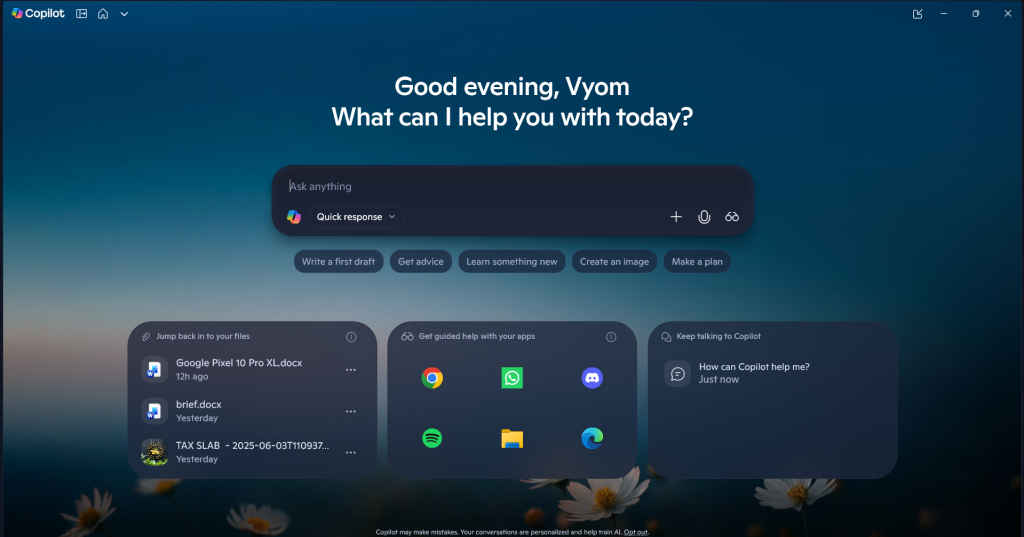
The original, core Microsoft Copilot is the friendly, versatile AI accessible via a dedicated app or the Windows operating system itself. Think of it as your primary, cross-platform personal assistant.
This Copilot is designed for tasks that transcend specific applications. Need to draft a quick email? Brainstorm ideas for a novel? Generate a unique image? Ask a complex question that requires sifting through the entire web? This is the tool for the job. It’s grounded in the internet and your overall system context, allowing it to move seamlessly between creating content and answering broad queries.
Its strength lies in its general intelligence – the ability to be a blank slate that can perform any conversational or creative task at a moment’s notice. For example, a student could ask it to summarize the history of the Byzantine Empire, and it would deliver a cited report.
The specialist: The AI browser companion
The Copilot in the Edge browser is an evolution, a highly specialized tool designed to solve a single, universal modern problem: tab fatigue and web friction.
Microsoft’s CEO of AI, Mustafa Suleyman, has framed this latest iteration of Edge as an “AI browser,” signaling that the Copilot within it is far more than just a chat window. Its specialization comes from its unique access to the browser’s context:
Also read: Humanoid robots still can’t match human hand’s dexterity, which is a big problem
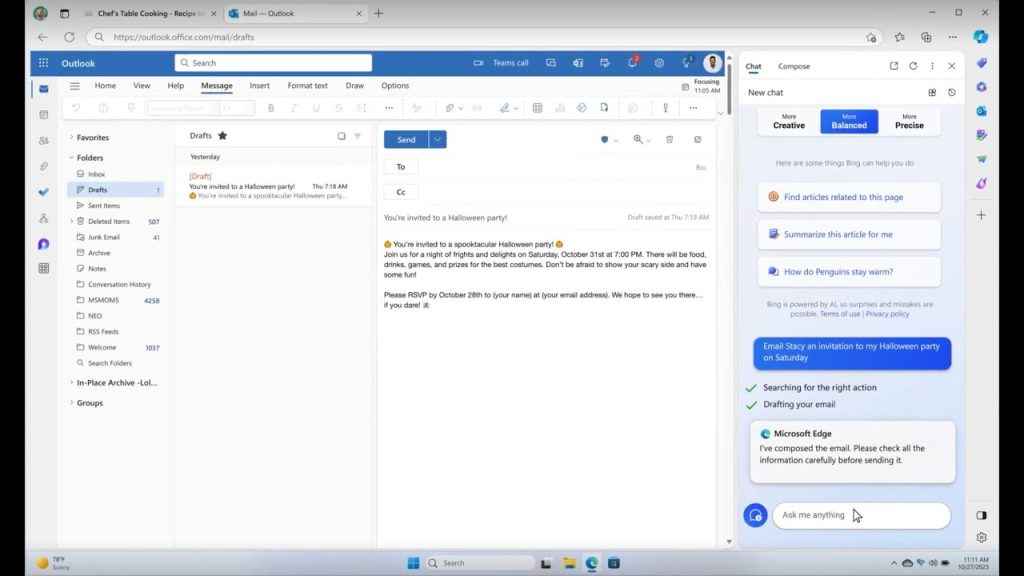
- Multi-Tab Vision: Unlike the general Copilot, the Edge version (with user permission) can “see and reason over your open tabs.” This is its superpower. Instead of manually clicking back and forth between four flight booking sites, you can ask Edge Copilot to “Compare the features of all four vacation packages and find the cheapest one closest to the beach.”
- Copilot Actions: This feature grants the AI “agentic” capabilities, the ability to take action on your behalf. This could involve filling out a complex web form, making a restaurant reservation, or unsubscribing from a deluge of email newsletters. It shifts the AI from merely informing you to actively doing tasks for you, all without leaving the browser environment.
- Journeys: The Edge Copilot also includes the “Journeys” feature, which organizes your past browsing sessions into thematic storylines. If you spent last Tuesday researching new business ideas, Copilot creates a contextual thread that helps you jump right back into that specific research flow.
The strategy of specialization
Why the split? Microsoft is responding to the user need for precision. When you are inside an application – a word processor, a spreadsheet, or a web browser – you need an assistant that speaks the language of that specific domain and can interact with its elements.
The Generalist Copilot serves as the foundation for creative and broad knowledge tasks. The Edge Specialist, however, is laser-focused on conquering the inefficiencies of the web. By giving it permission to view open tabs and take actions, Microsoft is turning the browser from a passive window into an active, intelligent partner capable of complex, multi-step operations. This design choice elevates the browsing experience, positioning the Edge browser as a direct, intelligent rival in the ongoing AI arms race against competitors.
Microsoft’s approach suggests that the future of AI isn’t about one monolithic assistant, but rather a seamless suite of specialized, context-aware “copilots” ready to assist precisely where the user is working.
Also read: EA partners with Stability AI: How GenAI will impact AAA gaming pipeline


