
Meta Muse Wonder explained: What Active Memory and Active Focus do
 Follow Us

The most perfect service is one that does not require an explanation of itself. The chemist who is in your neighborhood and asks “Same as before?” Or the tailor who already knows that you prefer slightly loose sleeves. No one calls it technology. It is simply being taken care of. This was never achieved by any AI assistant. All conversations begin with strangers who spend the first few minutes getting to know you again. Meta’s newest model, Muse Wonder and Muse Wonder Full, introduced on October 12, aim to do so with their two new features: Active Memory and Active Focus.
 Survey
Also read: Qubo wants to do more than sell security cameras: Here’s what founder Nikhil Rajpal has planned
Active Memory
According to Meta, Active Memory makes the model remember essential context about you and access the necessary details in whatever conversation you are having then. The weight is placed on “that matter”. It is easy for computers to store everything. Selecting the necessary information is done unconsciously by people. You do not remind your tailor each time you come to him of your measuring history. He just stops asking about your measurements.
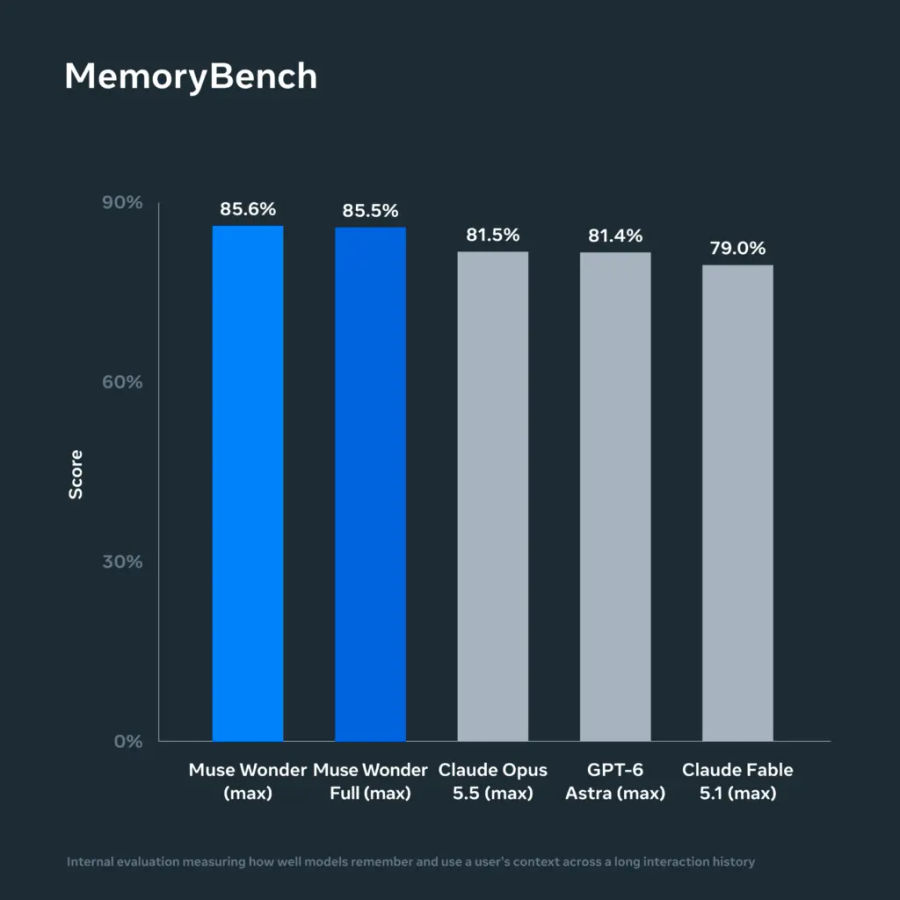
The objective set out in the research post by Meta is recognizing when previously learned information will be useful in a new context. For instance, if you mentioned last month that your lease expires in March, the model should recognize the connection between the two without prompting when you inquire about moving cost. The examples provided by Meta are quite common and somewhat boring tasks like filing an insurance claim, lease expiry and personal finances. They span over weeks, documents are late and information is partially forgotten.
Active Focus
Active Focus is the term used by Meta to refer to persistence. Once an activity becomes challenging, the aim of the model is to remain persistent. The model will adopt a different strategy, bypass a barrier, recover from an error, and adjust based on new information received. As someone who has tasked an AI agent with some work, I am familiar with the disappointment you face. The agent starts off well but encounters a barrier, then stops working, or claims it has completed the task while not.
Also read: Google Fitbit Edge vs Fitbit Air: Price, features, design and other details compared
A good colleague lets you know what they have done, what did not work, and what their next move will be. Good colleagues also know when to ask. According to Meta, the models ask for permission to undertake any action and clarify where necessary. For me, that is the most reassuring part of the announcement. You would expect a model that is persistent about the task at hand and is cautious with your property. Meta tests Active Focus using FocusBench and SWE-Marathon, which focuses on software development projects.
Why the two belong together
Each component alone amounts to half a good assistant. A memory without focus is someone who knows everything about you but gets discouraged too easily. Focus without memory is someone hardworking who wants the whole picture every day. Together, you get something closer to what people want from an assistant: give me this mess, come back tomorrow and find it advanced.
The examples from Meta are the way to go. An interactive game in 3D in a kitchen from custom-made images. A wedding seating arrangement based on all their requirements. A daily routine planned out across multiple applications. They are refined, which is how most demos are. The real world is messy.
Who can use it, and what we still don’t know
Muse Wonder is accessible using the Meta Model API and Muse Code. Muse Wonder Full version is for those who subscribe to Muse Code. Meta promises that Wonder will be integrated into the Muse application soon, starting with the subscribers. No details on availability in India yet.
And then there is trust. A model that knows you and acts on your behalf has access to your emails, calendar, and documents. Meta assures that it trained its models to keep your information private without any authorization, and a safety report is on the way.
Also read: Nutanix on India’s next big AI leap: Control, cost and real-world impact


