

Meet Atlas upgraded: Boston Dynamics’ robot will build cars with cutting edge AI, here’s how
 Follow Us
Boston Dynamics Atlas enters factories powered by Google Gemini AI
Hyundai factory deploys electric Atlas humanoid for automotive manufacturing tasks
Physical AI arrives as Atlas learns vision language reasoning systems
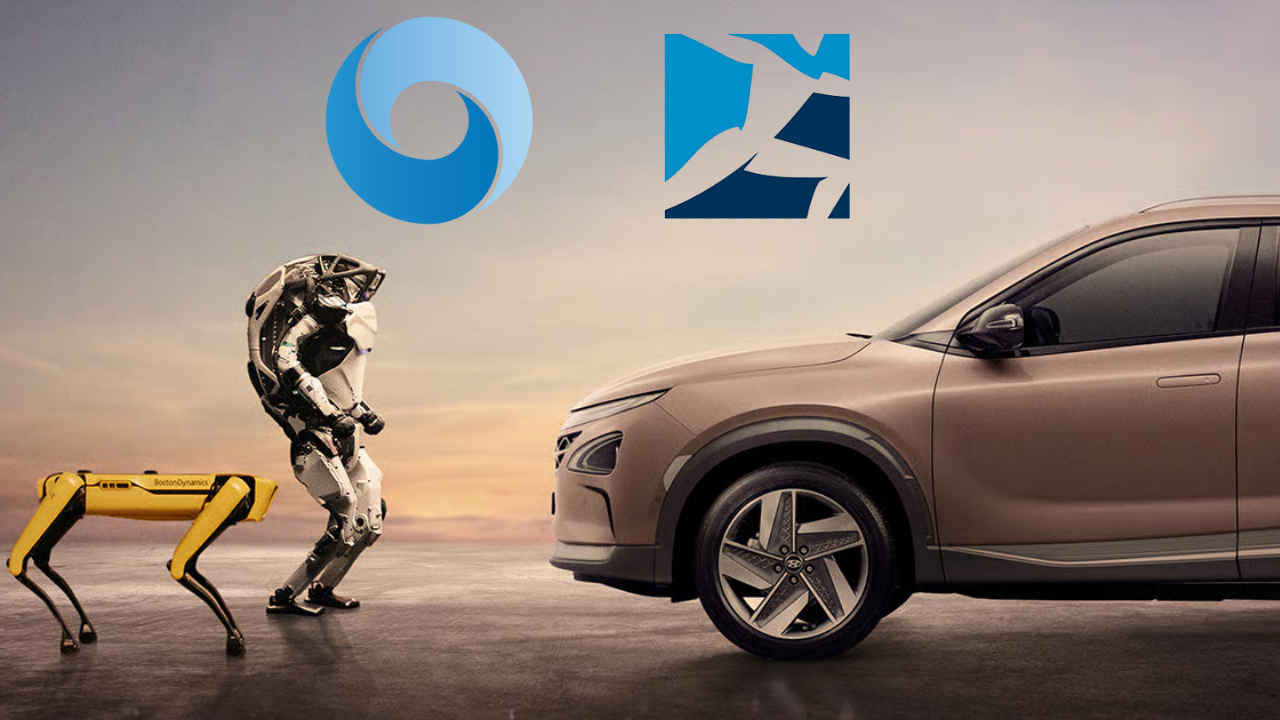

For years, Boston Dynamics’ Atlas was the internet’s favorite gymnast. It did backflips, ran parkour courses, and danced to “Do You Love Me” in viral videos that racked up millions of views. But at a massive new automotive plant in Georgia, the party is officially over. Atlas has a real job now, and thanks to a new partnership with Google DeepMind, it finally has the brain to match its brawn.
 Survey
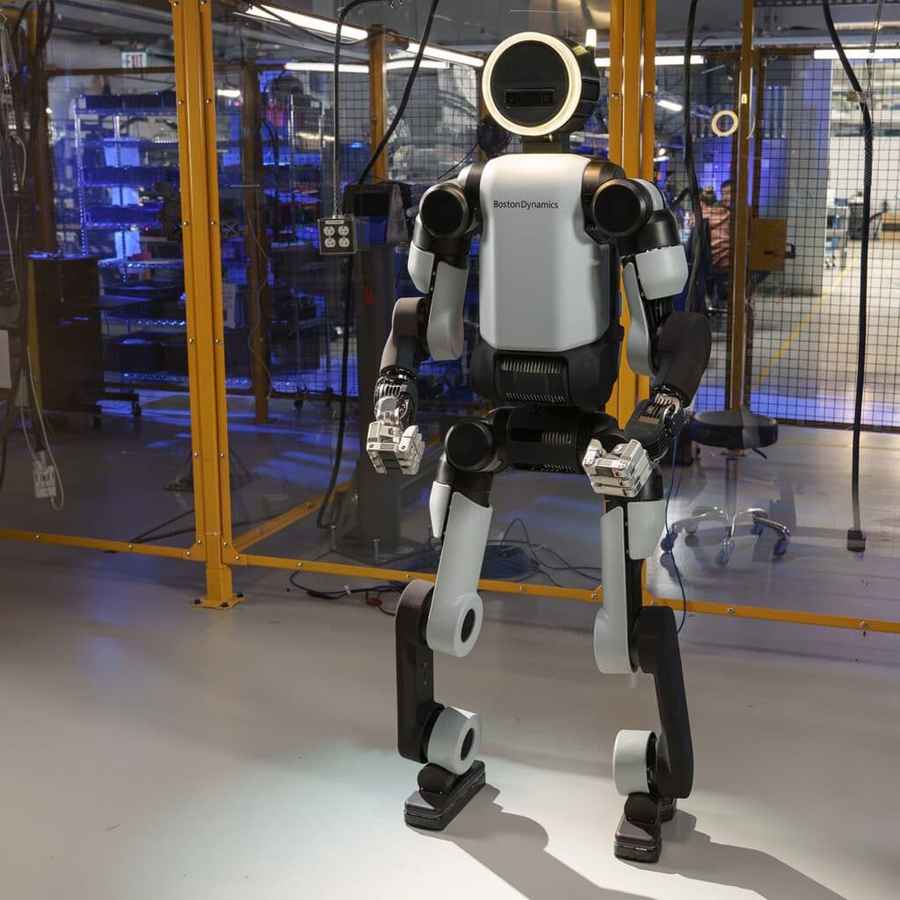
In a move that signals the start of the “physical AI” era, Boston Dynamics has unveiled a fully electric, commercial version of Atlas that is currently being deployed at Hyundai’s Metaplant America. But the hardware is only half the story. The robot is being integrated with Google’s Gemini AI, transforming it from a pre-programmed machine into a thinking, reasoning humanoid capable of learning on the fly.
Also read: The new Asus Zephyrus Duo is unlike any other gaming laptop you have seen before
DeepMind meets body
Historically, robots like Atlas were “blind” executors of code. Engineers had to painstakingly program every movement, coordinate every joint, and hard-code responses to every possible obstacle. If a box was moved two inches to the left, the robot might grasp at thin air. That changes with the integration of Google DeepMind’s Gemini Robotics models.
“We have the best body, but we need a stronger brain,” admitted Robert Playter, CEO of Boston Dynamics. By plugging into Gemini’s multimodal AI, Atlas gains “physical intelligence.” It can now process visual data and natural language simultaneously. Instead of writing code to “move arm to coordinates X,Y,Z,” a factory manager could simply tell Atlas, “That door panel is scratched; put it in the reject pile.”
The AI allows the robot to reason through the request: identifying the door panel, recognizing the scratch, locating the reject pile, and planning the motion to move the object – all without specific prior programming for that exact scenario.
Clocking in at Hyundai
This isn’t just a research project. The new electric Atlas is already in pilot production, with the first fleets shipping to Hyundai’s dedicated testing facility in manufacturing. The target? The Hyundai Motor Group Metaplant America (HMGMA) in Savannah, Georgia.
Also read: Bill Gates’ best tech idea: Why “good enough” software beat perfect products
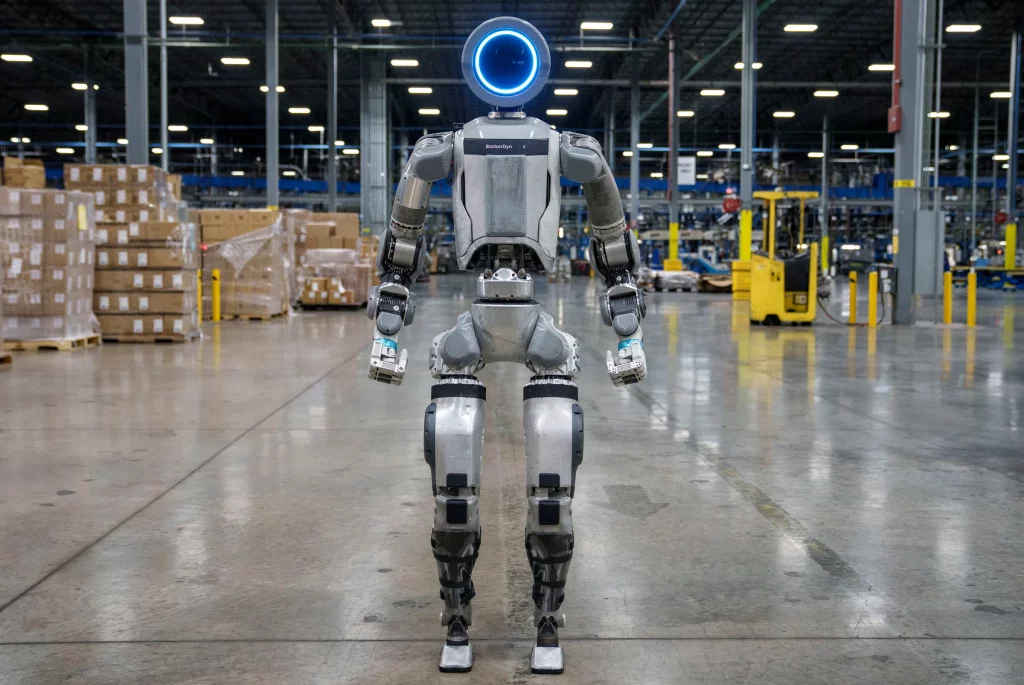
Atlas is being trained for “parts sequencing” – a dull, repetitive, and physically taxing task that involves moving heavy automotive components from storage containers to the assembly line. It’s the kind of work that causes high injury rates among humans but is perfect for a robot that never gets tired.
“The really repetitive, really backbreaking labor is going to end up being done by robots,” Playter noted in a recent interview. With a 50kg (110 lb) lift capacity and swiveling “electric” joints that allow it to turn 360 degrees without moving its feet, the new Atlas is designed specifically for tight, busy factory aisles.
No more hydraulics
Tech enthusiasts will notice a major physical difference in the new Atlas. The bulky, hissing hydraulic hoses of the old model are gone. The new robot is fully electric, making it stronger, quieter, and more reliable, key requirements for working alongside humans who don’t want to wear ear protection all day.
Its head, a distinct glowing ring light, serves as a status indicator for its human coworkers, signaling where the robot is looking and what it is “thinking.”
The partnership represents a perfect storm in the robotics world: Boston Dynamics brings the world’s most capable hardware, Hyundai provides the massive scale of a real-world use case, and Google supplies the intelligence to make it autonomous.
As Atlas clocks in for its first shift, the question is no longer if humanoids will enter the workforce, but how quickly they can learn the ropes. If the Gemini integration proves successful, the next Hyundai you buy might just be built by a robot that can see, think, and listen.
Also read: CES 2026: Intel revealed Core Ultra 3 AI PC chips, laptops coming soon


