

CES 2026: Intel revealed Core Ultra 3 AI PC chips, laptops coming soon
 Follow Us
Intel Core Ultra Series 3 debuts at CES 2026
Intel 18A chips promise massive battery life and graphics gains
Core Ultra 3 AI PC laptops arrive January 2026 worldwide
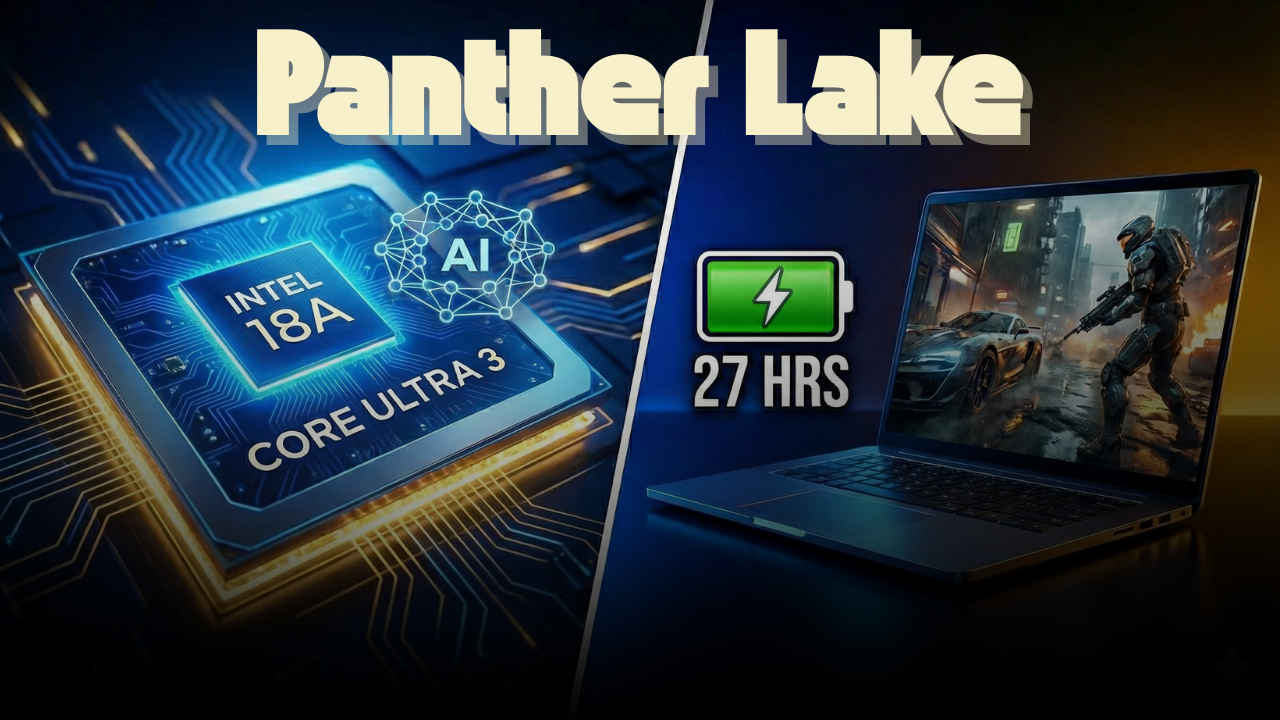

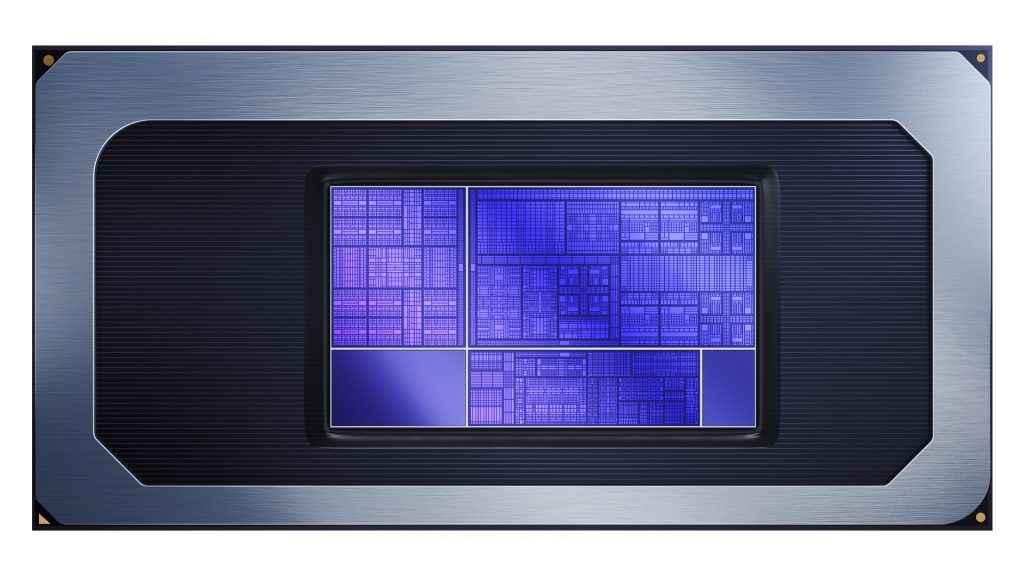
The era of Intel’s “five nodes in four years” strategy has officially culminated in a tangible consumer product. At CES 2026, Intel finally unveiled the Core Ultra Series 3 processors, formerly codenamed “Panther Lake.” While annual silicon updates are standard fare for CES, this launch carries specific historical weight: it is the first client compute platform built on the Intel 18A process technology.
 Survey
For the tech industry, the debut of Series 3 represents a critical proof point for Intel’s IDM 2.0 strategy. By successfully manufacturing these chips on the 18A node in the United States, Intel is looking to reclaim process leadership. However, for the average consumer and PC enthusiast, the story is about immediate gains: significant leaps in battery life, a massive jump in integrated graphics performance, and the introduction of a new high-performance mobile tier.
Also read: Panther Lake: 2026 Intel laptops to have faster GPU, better AI and battery
Enter the X-series
Intel has reshuffled its naming convention to highlight performance differentiation. The Series 3 mobile lineup introduces the Intel Core Ultra X9 and X7 classes. These processors are explicitly engineered for power users—content creators, gamers, and heavy multitaskers who demand desktop-caliber performance in a mobile form factor.
The specifications for the top-tier SKUs are aggressive. The flagship chips feature up to 16 CPU cores and 12 Xe-cores for graphics. But it is the architectural efficiency of the 18A node that seems to be doing the heavy lifting. According to Intel’s internal benchmarks, the Core Ultra Series 3 delivers up to 60% better multi-thread performance compared to the previous generation (Series 2/Lunar Lake) at similar power levels.
Perhaps more startling is the graphical leap. Leveraging the new Xe-cores, Intel claims up to 77% faster gaming performance compared to Lunar Lake. If these real-world numbers hold up in independent testing, Series 3 could effectively eliminate the need for entry-level discrete GPUs in thin-and-light laptops, allowing for 1080p high-fidelity gaming on an integrated chip.
Efficiency and AI
Despite the performance focus, efficiency remains the primary battleground for the AI PC. Intel claims the new platform can achieve up to 27 hours of battery life during video streaming tasks. This longevity is crucial as x86 architecture fights to maintain dominance against the rising tide of ARM-based competitors in the Windows ecosystem.
Also read: CES 2026: MSI launches new business and gaming laptops, from Prestige to Stealth
On the AI front, the Neural Processing Unit (NPU) has been tuned to deliver 50 TOPS (trillion operations per second). While this is an incremental number on paper, the total system performance is bolstered by the CPU and GPU gains. Intel emphasizes that this is the most broadly adopted AI PC platform they have ever delivered, with over 200 designs expected from global partners.
“Smarter” laptops

Interestingly, Intel is using the Series 3 launch to bridge the gap between consumer PCs and industrial edge computing. For the first time, a consumer-first architecture is launching with immediate certification for embedded use cases.
The Series 3 processors are being marketed for robotics, smart cities, and healthcare automation, featuring extended temperature range support and 24×7 reliability. In edge AI workloads, Intel claims the new chips offer 1.9x higher performance in Large Language Models (LLMs) and substantial efficiency gains in video analytics compared to competitive edge solutions. This unification suggests Intel is trying to streamline its software and hardware stack across different sectors, allowing developers to write code for a laptop that scales easily to an industrial robot.
Availability: Coming this month
Unlike previous “paper launches” where silicon is announced months before products hit shelves, the Core Ultra Series 3 is arriving rapidly.
Jim Johnson, Senior Vice President of Intel’s Client Computing Group, confirmed that pre-orders for the first wave of consumer laptops begin today, January 6, 2026. Full global availability for systems is scheduled for January 27, 2026, with designs expected from all major OEMs including Lenovo, Dell, HP, and Asus.
As the first volume product on Intel 18A, the Core Ultra Series 3 is more than just a spec bump; it is a litmus test for Intel’s manufacturing resurgence. If the performance-per-watt claims hold true, 2026 could be a revitalizing year for the x86 laptop market.
Also read: Dell brings back XPS laptops at CES, unveils new Alienware devices with anti-glare OLED displays


